Leukemia Treatment in Thailand
- Top Accredited Hospitals
- Global Medical Standards
- Cutting-Edge Technology
- Proven Treatment Options
- High Success Rate
- Trusted by Millions

What is Leukemia?
The bone marrow and lymphatic system are major sites for the body's blood-forming tissues and, therefore, sites for the development of leukemia. It usually concerns white blood cells. White blood cells are powerful infection fighters; their formation and growth are orderly events based on the body's needs. In leukemia, though, the bone marrow produces excessive numbers of abnormal white blood cells that are impaired in their normal function.
Different types of leukemia exist for both children and adults:
- Acute lymphocytic leukaemia (ALL): This is the most common type in very young children, although ALL can also be diagnosed in adults.
- Acute myelogenous leukaemia (AML) is one of the more commonly recognised types of leukaemia. It occurs in both children and adults.
- Chronic myelogenous leukaemia (CML) mainly affects adults. It may present with few or no symptoms for months or years and then enter an accelerated phase in which the leukaemia cells proliferate more rapidly.
- Chronic lymphocytic leukaemia (CLL): CLL is common in adults. It may not express itself for years.
- Other rare types of leukaemia include hairy cell leukaemia, myelodysplastic syndromes, and myeloproliferative disorders.
What is the Importance of Timely Treatment?
Leukemia must be treated on time since the disease may advance rapidly, especially in acute forms such as Acute Lymphoblastic Leukemia (ALL) or Acute Myeloid Leukemia (AML). Early intervention and diagnosis help prevent the dissemination of abnormal white blood cells in the body, causing situations that crowd the healthy blood cells with sometimes life-threatening complications such as infections, anemia, and bleeding disorders. In addition to increasing the chances of remission, the quick treatment of leukemias would also improve overall survival and reduce opportunities for long-term organ damage.
What are the Common Symptoms of Leukemia?
- Fatigue and weakness
- Frequent infections
- Fever or chills
- Easy bruising or bleeding
- Pale skin
- Swollen lymph nodes
- Bone or joint pain
- Unexplained weight loss
- Night sweats
- Enlarged liver or spleen
Causes and Risk Factors of Leukemia
Causes
- Genetic Mutations
- Family History
Risk Factors
- Radiation Exposure
- Chemical Exposure
- Previous Cancer Treatments
- Smoking
- Immune System Disorders
- Age and Gender
Connect with our advisor for a PRIORITY response
Latest Research and Technologies in the Treatment of Leukemia in Thailand
Thailand has rapidly advanced in leukemia treatment, engaging itself in the newest technologies and research. An essential landmark of this era is CAR T-cell therapy, a highly personalised treatment that reprograms a patient's immune cells to attack leukemia cells, having shown remarkable success, especially for resistant cases such as B-cell acute lymphoblastic leukemia (ALL). In addition, newer treatment modalities such as targeted therapies and immunotherapies have been applied with increasing frequency to precisely target cancer cells with minimal collateral damage to the healthy tissue, resulting in much reduced severe side effects traditionally associated with chemotherapy. For pediatric patients, Thailand has adopted and localised internationally accepted protocols such as the COG, leading to a significantly improved survival rate for children diagnosed with ALL.
Leukemia Prevention Tips
- Avoid Harmful Chemicals: Chemicals like benzene, pesticides, and industrial chemicals have been linked to an increased risk of leukemia development, so exposure should be limited.
- Stop Smoking: Smoking is a risk factor for leukemia, particularly for acute myeloid leukemia (AML), due to the carcinogenic substances in tobacco. Therefore, quitting causes this risk to decrease.
- Minimising Radiation Exposure: Limit exposure to high doses of radiation from cancer treatment or unnecessary medical tests, with consideration given to safer imaging modalities such as ultrasound or MRI.
- Maintaining a Healthy Lifestyle: Eating properly, exercising regularly, and limiting alcohol consumption are measures to sustain good health and reduce risks for leukemia.
- Observance of Safety Measures at Work and Periodic Check-ups: Basic safety measures should be adhered to in high-risk occupations, while periodic check-ups must be encouraged, especially for family histories of leukemia, to check for early manifestations of the disease.
Treatment options for Leukemia
Chemotherapy: Standard treatment for most forms of leukemia, entails the use of powerful drugs to kill cancer cells and is associated with some fairly nasty side effects such as nausea and hair loss.
Cost Start From USD 1000 - USD 6800Explore Options
Targeted Therapy: Concentrates on targeted molecules within the cancer cell but has considerably fewer side effects than chemotherapy for chronic myeloid leukemia (CML).
Cost Start From USD 3500Explore Options
Radiation Therapy: Delivering high-energy rays that shrink tumors or destroy leukemia cells, often used to protect the central nervous system or to prepare for a bone marrow transplant.
Immunotherapy: Stimulates the immune system to attack leukemia cells. CAR T-cell therapy gives promising results in cases of relapsed leukemias but carries severe toxicity.
Cost Start From USD 3000 - USD 13578Explore Options
Bone Marrow Transplant: The diseased bone marrow is replaced with healthy stem cells, used when the leukemia gene stops responding to other forms of treatment.
Cost Start From USD 50000 - USD 80000Explore Options
- Blood Test: Complete Blood Count: Quantifies the relative levels of various blood cells, with variations from normal in levels of white or red blood cells or platelets likely indicating leukemia.
- Imaging Studies: Various X-rays, CT scans, and ultrasonography may show the possible spread of leukemia to other organs like the liver or spleen.
- Bone Marrow Biopsy: The most definitive test in proving a diagnosis of leukemia and type is by examining a marrow sample.
- Flow Cytometry: Identifies specific markers of the cells to classify leukemias and helps treat the patient.
- Cytogenetic Studies: Diagnosis of chromosomal aberrations, such as the Philadelphia chromosome in CML, for therapy consideration.
- Molecular Testing: Detect mutations and help achieve effective therapy for specific leukemias.
MediRehab (a chain of Rehab centres, part of MediGence) provides comprehensive rehabilitation services to support patients through teleconsultations and online therapy sessions.
- Physical Therapy: Following treatment for leukemia, physical therapy helps the patient regain strength and mobility while enhancing overall function and endurance.
- Occupational therapy helps the patient adapt to activities of daily living and improves fine motor skills so that he or she may carry out tasks independently.
- Counselling and Emotional Support: These are offered to help the patient manage the psychological impacts of having leukemia and receiving treatment.
- Nutritional Counseling: A healthy diet plan is constructed to support recovery, boost immune function, and counteract the side effects.
- Pain control: It includes strategies such as medications, massage, and relaxation techniques to minimise pain and improve quality of life during and after treatment.
Instantly Connect with our Specialists


Hospitals for Leukemia in Thailand
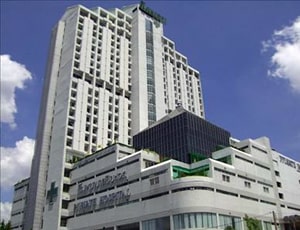
Piyavate Hospital
Bangkok, Thailand
Piyavate Hospital located in Bangkok, Thailand is accredited by JCI. Also listed below are some of the most prominent infrastructural details:
Medicine Centre: Piyavate Hospital provides advanced holistic treatment for their patients. They offer a complete range of services and physicians that specialize in various fields like the endocrine system, the nervous system, kidney function, cardiovascular care, respiratory and digestive system. They pride themselves for the familial care that they provide to their patients.
Fertility and In-Vitro Fertilization Centre: Helping the couples who walk into the Piyavate Hospital to achieve their dream of having a family. They have a medical team that specializes in male and female fertility. They offer consultation services, fertility check-up for both men and women and complete IVF services. They have advanced IVF cycle treatment facilities that offer a high rate of success.
Bone and Joint Institute: Piyavate Hospital houses one of the frontrunners in Orthopaedic health care in all of SouthEast Asia. They offer a wide range of services and surgeries in their bone and joint institute that include hand surgery, hip and knee replacement surgery, spinal cord surgery, upper extremity surgery, arthroscopic surgery and sports medicine.
Eye and Lasik Centre: Piyavate Hospital is fully equipped with the latest and most advanced technology for eye care and houses highly skilled ophthalmologists, sub-specialists and qualified nurses.
Physical Therapy and Rehabilitation Centre: One of the first hospitals to be equipped with the Hybrid Assistive Limb technology that will help a neurologically challenged patient to control the rehabilitation robot limb with a signal from their brain. The Physical Therapy and Rehabilitation Centre at Piyavate Hospital uses this system encourage patients to regain muscle memory to walk and function normally.
Amenities for Patient’s Family:
Piyavate Hospital also offers additional apartment facilities to house the kin of the patients who come to visit them from distant places. A restaurant, a flower shop and a café are a few of the other amenities provided by the hospital.
These are the most popular services offered by the Piyavate Hospital in Bangkok, Thailand. They also provide a plethora of other medical services that are listed below:
Diabetic Foot Centre
Check-up centre
Urology Centre
Heart Institute
Paediatric Centre
Obstetrics and Gynaecology Centre
Surgery Centre
Ear Nose Throat Centre
Haemodialysis Centre
Dental Centre
X-Ray Centre
Gastroenterology Centre
Cancer Centre
Neonatal Intensive Care Unit (NICU)
Emergency Services and Centre
Tele-medicine

Phyathai 2 International Hospital
Bangkok, Thailand
Phyathai 2 International Hospital located in Bangkok, Thailand is accredited by JCI. Also listed below are some of the most prominent infrastructural details:
- Fully equipped rooms are available for convenience of the patients- Gold B Room, Gold A Room, Pediatric Gold A, Platinum room, and Prestige ward
- Nearby accommodations are also available- Abloom Service Apartments, Bangkok Patio, VIB Best Western Sanam Pao, VIC3 Hotel
- Operating room
- International Patient Medical Center to assist overseas patients
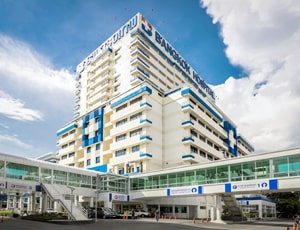
Bangkok Hospital
Bangkok, Thailand
Bangkok Hospital located in Bangkok, Thailand is accredited by JCI. Also listed below are some of the most prominent infrastructural details:
- It is recognised for the application of the newest healthcare technology.
- Blood analysis center that is not just the best in Thailand but in Asia Pacific as well.
- Biomolecule center that is the seed of healthcare equipment for Thailand and overseas.
- International affiliations and collaborations with universities and hospitals in Japan and the United States of America.
- 11 hospitals are recognised as Centers of Excellence.
- Known excellence in Trauma, Orthopedics, Cardiovascular, Neurology as well as Cancer Care.
- There is a proper streamlined patient services process followed in Bangkok Dusit Medical Services, Bangkok, Thailand.
- A well developed research center showcases the intent of the organisation to provide research based treatment opportunities to the patients.
- The group has several Medical industry partnerships as well to ensure healthcare solutions.
Our Services to better your experience
Opinion & Option
We submit the most accurate opinion and options from one or more countries for your review
Consult Privately
Consult with a certified specialist privately on our telemedicine platform even before you decide to travel
Logistics
We handle flights, visas, transfers, and accommodation—so you can focus on your health.
Recovery
Our In-house rehabilitation service packages to better your recovery and treatment outcome
Why Choose Thailand for Leukemia Treatment?
- Affordable Price: International patients come to Thailand as a cost-effective option for high-quality leukemia treatment that is still relatively inexpensive compared to other countries.
- Modern Technology: Thailand has the latest technologies for treating leukemia, including CAR T-cell therapy, stem cell transplants, and targeted therapies.
- World-Class Professionals: Thailand's oncologists and hematologists are the best, with worthy degrees from renowned institutions.
- Holistic Approach: Thailand offers a holistic approach, providing all necessary services for modern treatments, ranging from diagnosis and treatment to rehabilitation and continual support.
- Shorter Waiting Times: The speed with which treatment options are made available for patients reduces waiting times for life-saving interventions, thereby setting Thailand apart from many other developed countries.
Frequently Asked Questions
Symptoms include unexplained fatigue, infections, bruising easily, bleeding, swollen lymph nodes, and unexplained weight loss.
There is no inheritance in most cases, but if a family history of leukemia or other blood cancers is present, it might raise individual risk.
Therapy may include chemotherapy, targeted therapy, radiation therapy, stem cell therapy or bone marrow transplantation, immunotherapies, and CAR T-cell therapy.
Most types of leukemia can be effectively treated, mainly depending on how soon one gets diagnosed; however, a total cure will depend on the type and staging of the disease.
The duration of treatment depends on the type and stage of leukemia, but it generally lasts from several months to a few years, with follow-up care required.
Highly reputed hematologists and oncologists in Thailand have years of experience treating leukemia and expertise in traditional and advanced methods.
Yes, Thail hospitals offer second opinions and encourage patients to consult multiple specialists before deciding on a treatment plan.
Yes, most doctors and healthcare professionals in Thailand comprehend and converse fluently in English, making it easy for foreign patients to communicate with them.
The side effects can be fatigue, nausea, hair loss, increased predisposition to infections, and lowered blood cell counts.
Leukemia in children is usually treated by chemotherapy, with stem cell transplantation or CAR T-cell therapy occasionally being included; the emphasis is placed on long-term survival.
Leukemia has the potential to relapse, especially in more aggressive or advanced cases. Vigilance is key to regularly monitoring early signs of recurrence.
Author

Dr. Shagufta Parveen
Dr. Shagufta Parveen is a Clinical researcher and medical writer with expertise in clinical pharmacology and pharmacotherapeutics. She holds a B.Pharm and Doctor of Pharmacy (Post-Baccalaureate) degree from Teerthanker Mahaveer University, Moradabad.
During her clinical stint at BLK-Max Super Speciality Hospital and Indraprastha Apollo Hospital, she gained hands-on experience in the Clinical Pharmacology Department. Combining scientific knowledge with strong medical writing skills, Dr. Shagufta develops evidence-based healthcare content, treatment guides, and patient education resources.
Her work focuses on simplifying complex medical concepts while maintaining scientific accuracy, helping readers better understand healthcare advancements and treatment options.
In addition to her writing expertise, she is actively involved in scientific research and has contributed to peer-reviewed publications.
Her research work is accessible through the following links:
https://scholar.google.com/citations?user=lMVK1eIAAAAJ&hl=en
https://carcinogenesis.com/index.php/JOC/article/view/870
https://carcinogenesis.com/index.php/JOC/article/view/868
https://wjpsronline.com/abstract/0000000760
View MoreReviewer

Dr. Mohit Agarwal
Medical Oncologist
14 Years of Experience
One of the finest Oncologist in New Delhi, India, Dr. Mohit Agarwal has worked with several world class multidisciplinary hospitals over the years. Dr. Mohit Agarwal has over 14+ years of experience in his field. The doctor treats and manages a wide range of conditions such as Stomach Cancer, Rectal Cancer, Breast Cancer, Brain Cancer View More
Last Reviewed - January 2026