Kaposi Sarcoma Treatment in United Arab Emirates
- Top Accredited Hospitals
- Global Medical Standards
- Cutting-Edge Technology
- Proven Treatment Options
- High Success Rate
- Trusted by Millions

What is Kaposi Sarcoma?
In Kaposi sarcoma, cancerous cells are detected in the skin lining the gastrointestinal (GI) system, which includes the stomach and intestines and expands from the mouth to the anus.
These tumours can migrate to lymph nodes and the lungs and manifest as purple patches or nodules on the skin and mucous membranes. Patients with weakened immune systems and men are more likely to develop Kaposi sarcoma.
Type of Kaposi Sarcoma
There are many types of Kaposi Sarcoma-
- AIDS-related or epidemic Kaposi sarcoma- This kind affects those who have HIV, or the human immunodeficiency virus. The virus that causes AIDS is called Human Immunodeficiency Virus.
- Transplant-associated or iatrogenic Kaposi sarcoma- It usually occurs in people who take medicine to control the immune system after an organ transplant.
- Classic Kaposi sarcoma- It affects older people with Middle Eastern, Mediterranean, and Eastern European ancestry. Usually developing slowly, it can result in edema in places like the legs.
- Endemic Kaposi sarcoma- It affects young people in Africa. It may develop slowly on the skin or quickly inside the body.
What is the Importance of Timely Treatment?
Timely treatment of Kaposi Sarcoma is vital for many reasons since it may significantly affect the patient's general health and the course of the illness.
- Prevents Disease Progression: It can spread quickly in patients with weak immune systems, such as HIV or AIDs. Early treatment aids in stopping the cancer's spread and keeps it from reaching potentially fatal internal organs, including the liver, lungs, or digestive tract.
- Improves Survival Rates: Early diagnosis and treatment are associated with better survival outcomes, especially with therapies like chemotherapy, or radiation therapy, which can lead to better survival outcomes.
- Reduces Symptoms and Complications: Kaposi Sarcoma may result in discomfort, edema, and painful lesions. The patient's quality of life can be enhanced by early treatment, which can help lessen these symptoms and avoid problems, including bleeding, infections, or organ malfunction.
- Limits Spread to Other Parts of the Body: Untreated KS can spread to other body parts, especially critical organs. Cancer might be easier to monitor and treat if prompt action prevents its spread.
What are the Common Symptoms of Kaposi Sarcoma?
- Skin Lesions: The initial indications of Kaposi are typically malignant lesions (spots) on the skin that can be flat or elevated and are purple, red, or brown.
- Mucous Membrane Lesions: Lesions appear in the mouth, throat and other mucous membranes.
- Swelling: Painful swelling in the legs and feet can result from lesions on the legs or groin area obstructing fluid flow.
- Respiratory Symptoms: shortness of breath and coughing up blood can also be caused by the presence of lesions in the lungs.
- Gastrointestinal Symptoms: Abdominal pain, diarrhoea, and bleeding—which may result in black, tarry stools or apparent blood in the stool—can be caused by lesions in the stomach and intestines.
Causes and Risk Factors of Kaposi Sarcoma
Human herpesvirus 8 (HHV-8) infection is the primary cause of KS. However, the chance of having KS is increased by several risk factors.
- Infection with HHV-8, sometimes referred to as Kaposi Sarcoma-associated herpesvirus (KSHV), is the leading cause of Kaposi Sarcoma. Although most HHV-8 carriers do not get KS, the virus can promote aberrant blood vessel growth, resulting in the disease's development.
- A weakened Immune System in patients of HIV/AIDS or Organ transplant recipients is the primary cause of developing Kaposi Sarcoma.
- Geographical regions are also responsible for developing KS, and people residing in sub-Saharan Africa and Mediterranean countries are more prone to developing KS.
- Kaposi Sarcoma is more common in adults aged between 50-70.
- Men are at higher risk of developing KS.
Connect with our advisor for a PRIORITY response
Latest Research and Technologies in the Treatment of Kaposi Sarcoma in the United Arab Emirates
The use of advanced technologies and interdisciplinary techniques has greatly improved the treatment of Kaposi Sarcoma (KS) in the United Arab Emirates (UAE). Prominent healthcare facilities provide all-encompassing care that includes cutting-edge diagnostic equipment and novel therapies like electrochemotherapy (ECT), which combines chemotherapy with electrical pulses to improve drug uptake in cancer cells. ECT has shown encouraging results in the treatment of KS skin lesions. Furthermore, clinical trials have demonstrated the efficacy of immunotherapy drugs such as pomalidomide in treating KS, with notable tumour shrinking observed in both HIV-positive and HIV-negative patients.
Kaposi Sarcoma Prevention Tips
Maintaining a healthy immune system and lowering the chance of infection with the Kaposi sarcoma-associated herpesvirus (KSHV) are two ways to prevent Kaposi sarcoma (KS). Here are some tips:
- Avoid HIV infection- Safe sex practices should be taken under consideration for avoiding HIV infections.
- Avoid sharing needles to prevent the chances of HIV transmission.
- Maintain a healthy immune system by improving lifestyle modifications such as eating a well-balanced diet, exercising regularly, and maintaining a sleep-wake cycle to support the immune system.
- Routine Medical check-ups are suggested to help detect any early signs of KS for prompt treatment.
Treatment options for Kaposi Sarcoma
Treatment options for Kaposi sarcoma (KS) differ based on the type and stage of the disease and the patient's overall health. The following are a few current treatments:
Radiation Therapy: Treatments using high-energy rays to shrink and control KS lesions. Specifically targeting localised lesions.
Chemotherapy : KS may be treated with conventional chemotherapy medications, although these are less frequently utilised than immunotherapy or targeted therapy. Chemotherapy kills cancer cells that divide quickly and can be given orally or intravenously.
Cost Start From USD 800 - USD 6000Explore Options
Immunotherapy : Immunotherapy boosts your immune system to help fight KS.
{immunotherapy}Clinical Evaluation
- Medical History and Physical Examination: Healthcare professionals assemble detailed information about symptoms, medical history and risk factors afterlooking at the KS lesions on the skin and mucous membranes.
Imaging Studies
- Chest X-ray
- CT Scan
- Endoscopy
- Colonoscopy
- Bronchoscopy
Biopsy
- Excisional Biopsy
- Punch Biopsy
- Skin Biopsy
MediRehab (a chain of Rehab centres, part of MediGence) provides comprehensive rehabilitation services to support patients through Teleconsulations and online therapy sessions.
Lifestyle changes and modification
While lifestyle modifications like stress reduction, yoga, and meditation improve general well-being, dietary changes involving high-fiber meals, lean meats, and supplements boost nutrition. Long-term health is further enhanced by abstaining from alcohol and eating a balanced diet.
Physical Rehabilitation
physical rehabs like PT increase strength, flexibility and movement of the affected region. Scar management helps in managing scars and contractures.
Lymphedema Management
Lymphedema, or swelling brought on by fluid accumulation, can happen if lymph nodes are removed during KS treatment, particularly in the arms or legs. Manual lymph exercises are performed to promote fluid movement.
Speech and Swallowing Therapy
Patients with Kaposi Sarcoma may have trouble speaking or swallowing if the disease affects the mouth, throat, or digestive system. Speech therapists can help patients regain the clarity of their speech and enhance their swallowing function.
Depending on the circumstances, your doctor might recommend medication to help manage your symptoms and complement the course of treatment.
Instantly Connect with our Specialists


Hospitals for Kaposi Sarcoma in United Arab Emirates

Saudi German Hospital
Dubai, United Arab Emirates
Saudi German Hospital located in Dubai, United Arab Emirates is accredited by ISO, JCI. Also listed below are some of the most prominent infrastructural details:
- Saudi German Hospital is spread over 41,062 square meters.
- Many kinds of rooms are available for patients based on their needs and requirements from General Ward, Economy rooms, Deluxe, Super Deluxe to Royal suites.
- It is a healthcare services umbrella providing diverse healthcare services.
- The hospital comprises 37 ICU, 21 NICU,11 PICU and 11 Bed capacity for stroke unit.
- 30 beds capacity of the 24/7 emergency unit
- The hospital comprises a medical tourism department under its efforts to better connect with and help international patients.
- Translators available in many languages such as English, French, Arabic, German, Russian, Turkish, Italian and more.
- 316 bed capacity of the Saudi German Hospital, Dubai.

Aster DM Healthcare
Dubai, United Arab Emirates
Aster DM Healthcare located in Dubai, United Arab Emirates is accredited by JCI. Also listed below are some of the most prominent infrastructural details:
- Aster Hospital Dubai has 114 bed capacity
- Comprehensively fitted operating theaters are 5 in number
- Intensive Care Units (ICU) are also 5 in number and they also include an Isolation unit, Neonatal Intensive Care Unit bed capacity is 8 with an Isolation unit present
- Three kinds of rooms for all requirements such as twin sharing rooms, single rooms and VIP rooms
- Mother and child friendly hospital with Labor room, delivery suites, and a Nursery
- Unit dedicated to Day Surgery
- Fully equipped Dialysis Unit

NMC Specialty Hospital
Abu Dhabi, United Arab Emirates
NMC Specialty Hospital located in Abu Dhabi, United Arab Emirates is accredited by JCI. Also listed below are some of the most prominent infrastructural details:
- 104 Patient Rooms/Wards
- 7 Operating Rooms
- Laboratory endowed with centrally computerized System
- 24-hour Emergency Department
- 24-hour Pharmacy
- 24-hour Ambulance Services
- Radiology Department offering state-of-the-art equipment, including MRI (1.5 Tesla), 64-slice spiral CT Scanner, 4-D Ultrasound with color Doppler, Bone Densitometry, Digital Mammogram with CAD System, and Digital X-Ray Systems with fully integrated PACS
Our Services to better your experience
Opinion & Option
We submit the most accurate opinion and options from one or more countries for your review
Consult Privately
Consult with a certified specialist privately on our telemedicine platform even before you decide to travel
Logistics
We handle flights, visas, transfers, and accommodation—so you can focus on your health.
Recovery
Our In-house rehabilitation service packages to better your recovery and treatment outcome
Why Choose the United Arab Emirates for Treatment of Kaposi Sarcoma?
- World-Class Healthcare Facilities: UAE's modern hospitals and medical facilities have the newest technologies to spot and treat rare cancers like KS.
- Affordable Treatment: The UAE offers KS treatment at a substantially lesser cost than many Western nations without sacrificing care quality. Patients who receive top-notch care should anticipate significant cost reductions on everything from surgeries to cutting-edge treatments like radiation and immunotherapy.
- Comprehensive Treatment Options: The UAE provides a holistic approach to treating KS, including immunotherapy, radiation therapy, Chemotherapy and surgical resection. New developments like gene treatments and tailored therapy are becoming more widely available to treat KS better.
- Advanced Diagnostic tools: Advanced diagnostic treatments like Lymphadenectomy are available in the UAE hospitals to ensure precise diagnosis and treatment planning.
- Post-Treatment and Rehabilitation Care: Patients with KS can receive complete rehabilitation programs in the UAE, including mental support, dietary counselling, and physical therapy. Patients who receive ongoing care and follow-up services are guaranteed access to the emotional support and monitoring they require while recovering.
Frequently Asked Questions
Many factors, such as the patient's immunological state, stage of the disease, and whether they have HIV/AIDS or other underlying disorders, affect how long a person with Kaposi Sarcoma (KS) will live.
Early therapy for localised KS improves prognosis; many patients experience remission. A more dire prognosis could result, though, if KS affects internal organs or is discovered at an advanced stage.
In the UAE, kaposi sarcoma is an uncommon malignancy that is associated with immunocompromised people, such as transplant recipients or HIV/AIDS patients.
The rate at which Kaposi Sarcoma (KS) spreads varies based on the type and immune system of the patient. KS can spread quickly from the skin to internal organs such the liver, lungs, or gastrointestinal system in individuals with HIV/AIDS or immunocompromised diseases.
The illness usually stays restricted to the skin and advances slowly in older people without HIV who have classic KS.
Kaposi Sarcoma (KS) is frequently treatable and controllable, however, it may not permanently be cured, mainly if it is advanced.
The prognosis for Kaposi Sarcoma (KS) in the United Arab Emirates varies according to the patient's immunological status and the stage of the disease. Global statistics show that the overall 5-year survival rate for KS is between 74% to 75%, notwithstanding the lack of particular UAE data.
Depending on the nature of the procedure, recovery from Kaposi Sarcoma surgery in the UAE typically takes a few weeks.
UAE is a cost-effective choice for those seeking treatment because it provides top-notch medical care at affordable costs compared to several Western nations.
The UAE's healthcare system accepts patients from abroad and provides excellent KS treatments at many clinics and hospitals.
Yes, many UAE hospitals offer in-person and online consultations to foreign patients who want a second opinion. You can get support by speaking with a medical tourism facilitator at MediGence to select the best doctor and facility. It provides specialised rehabilitation programs.

Reviewer
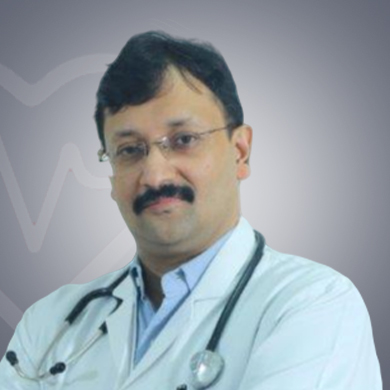
Dr. Mohit Agarwal
Medical Oncologist
14 Years of Experience
One of the finest Oncologist in New Delhi, India, Dr. Mohit Agarwal has worked with several world class multidisciplinary hospitals over the years. Dr. Mohit Agarwal has over 14+ years of experience in his field. The doctor treats and manages a wide range of conditions such as Stomach Cancer, Rectal Cancer, Breast Cancer, Brain Cancer View More
Last Reviewed - January 2026