Ischemic Heart Disease (IHD) Treatment in India
- Top Accredited Hospitals
- Global Medical Standards
- Cutting-Edge Technology
- Proven Treatment Options
- High Success Rate
- Trusted by Millions

What is Ischemic Heart Disease (IHD)?
Ischemic Heart Disease occurs when blood flow through the coronary arteries is reduced, most commonly because of atherosclerotic plaque buildup. Reduced blood supply can limit oxygen delivery to the heart muscle, particularly during physical activity or stress. Severe or sudden blockage may cause a heart attack.
What is the Importance of Timely Treatment?
Timely treatment can help improve blood flow to the heart, control symptoms, and reduce the risk of heart attack, heart failure, and other cardiovascular complications. Early evaluation also helps identify the severity of coronary artery disease and determine whether lifestyle changes, medicines, catheter-based treatment, or surgery may be appropriate.
What are the Common Symptoms of Ischemic Heart Disease (IHD)?
- Chest Pain or Discomfort: Pressure, tightness, heaviness, or squeezing in the chest may occur, particularly during physical activity or emotional stress.
- Shortness of Breath: Reduced blood flow to the heart may cause breathlessness during exertion or, in more advanced disease, at rest.
- Fatigue: Reduced cardiac efficiency may cause unusual tiredness, particularly during physical activity.
- Pain in the Arm, Shoulder, Neck, Jaw, or Back: Discomfort associated with coronary disease may spread beyond the chest to other areas of the upper body.
- Palpitations: Some individuals may feel a rapid, irregular, or pounding heartbeat.
- Dizziness, Sweating, or Nausea: These symptoms may accompany angina or a heart attack, particularly when symptoms occur suddenly.
Causes and Risk Factors of Ischemic Heart Disease (IHD)
Causes
- Atherosclerosis: Plaque buildup inside the coronary arteries is the most common cause of IHD.
- Coronary Artery Spasm: Temporary narrowing of a coronary artery can reduce blood flow to the heart.
- Coronary Microvascular Dysfunction: Abnormalities in small coronary blood vessels may contribute to ischemic symptoms.
- Coronary Artery Dissection: A tear within the coronary artery wall can reduce blood flow in some patients.
- Blood Clots: A clot can suddenly obstruct a coronary artery and cause acute myocardial infarction.
- Severe Anaemia or Other Conditions: Conditions that significantly reduce oxygen delivery or increase the heart's oxygen demand may contribute to myocardial ischemia.
Risk Factors
- High Blood Pressure: Long-term hypertension can damage arteries and increase cardiovascular risk.
- High Cholesterol: Elevated LDL cholesterol contributes to plaque formation.
- Diabetes: Diabetes can accelerate atherosclerosis and increase the risk of coronary artery disease.
- Smoking: Tobacco exposure significantly increases cardiovascular and coronary artery risk.
- Obesity: Excess body weight is associated with several cardiovascular risk factors.
- Physical Inactivity: Lack of regular physical activity can contribute to obesity, high blood pressure, and abnormal cholesterol.
- Family History: A family history of premature coronary artery disease may increase individual risk.
- Increasing Age: The risk of coronary artery disease generally increases with age.
Latest Research and Technologies in the Treatment of Ischemic Heart Disease (IHD) in India
- Recent advances in IHD management include improved coronary imaging, fractional flow reserve assessment, intravascular ultrasound (IVUS), and optical coherence tomography (OCT) to help assess coronary blockages and guide selected interventions. Modern treatment also increasingly focuses on personalised risk assessment, intensive cholesterol reduction, newer medications for appropriate patients, cardiac rehabilitation, and minimally invasive coronary procedures.
Treatment options for Ischemic Heart Disease (IHD)
Angioplasty and Coronary Stenting : Also known as Percutaneous Coronary Intervention (PCI), this is the standard minimally invasive, catheter-based approach to clear blockages.
Cost Start From 1800Explore Options
Coronary Artery Bypass Grafting (CABG) : An open-heart surgical procedure that uses grafts (like the internal mammary artery or saphenous vein) to bypass severe, complex, or multi-vessel blockages.
Cost Start From 3850Explore Options
Management of Acute Coronary Syndrome (ACS): This accurately identifies the specialised, time-sensitive emergency protocols (such as immediate dual antiplatelet loading, heparin, and emergent PCI) required for unstable angina or myocardial infarction (heart attack).
Enhanced External Counterpulsation (EECP): A non-invasive, specialised outpatient therapy utilising inflatable cuffs on the legs to improve coronary collateral blood flow. It is a valid option for patients with refractory, chronic stable angina who are not candidates for surgery or stents.
- Clinical assessment:
- Medical History: Assessment of chest discomfort, exertional symptoms, previous cardiovascular disease, family history, and risk factors.
- Physical Examination: Evaluation of blood pressure, pulse, heart sounds, circulation, weight, and other cardiovascular findings.
- Electrocardiogram (ECG): Records the heart's electrical activity and may identify ischemic changes or previous myocardial injury.
- Blood Tests: Lipid profile, blood glucose, HbA1c, kidney function, and cardiac biomarkers may be used according to the clinical situation.
- Cardiac Stress Testing: Exercise or pharmacological stress testing may assess how the heart responds to increased demand in selected patients.
- Imaging Tests:
- Echocardiography: Evaluates heart structure, pumping function, and regional wall-motion abnormalities.
- CT Coronary Angiography: Provides detailed images of the coronary arteries and can help identify or exclude significant coronary artery disease in appropriate patients.
- Coronary Angiography: An invasive test that provides detailed images of coronary artery blockages and can be performed as part of catheter-based treatment.
- Cardiac MRI: Can assess heart structure, function, tissue characteristics, and previous myocardial injury in selected patients.
- Nuclear Cardiac Imaging: Stress myocardial perfusion imaging may help assess blood flow to different areas of the heart.
- Intravascular Ultrasound (IVUS): Uses a catheter-mounted ultrasound system to provide detailed images from inside the coronary artery.
- Optical Coherence Tomography (OCT): Provides high-resolution images of coronary artery structures and may assist in selected coronary interventions.
MediRehab (a chain of Rehab centres, part of MediGence) provides comprehensive rehabilitation services designed to support Ischemic Heart Disease (IHD) patients in India. These services include:
- Cardiac Rehabilitation: A structured programme can help patients safely improve cardiovascular fitness after a heart attack, angioplasty, bypass surgery, or other cardiac events.
- Gradual Physical Activity: Exercise is introduced progressively according to cardiac function, symptoms, and medical recommendations.
- Weight Management: Maintaining a healthy weight can help improve blood pressure, cholesterol, diabetes control, and overall cardiovascular health.
- Medical treatment depends on symptoms, coronary disease severity, cardiovascular risk, and associated conditions. It may include antiplatelet medicines, statins or other lipid-lowering therapy, beta-blockers, nitrates, blood-pressure medicines, and diabetes medicines when appropriate.
Instantly Connect with our Specialists


Hospitals for Ischemic Heart Disease (IHD) in India
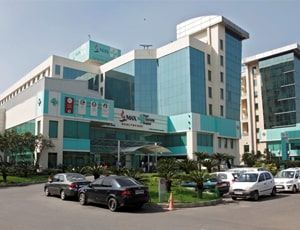
Max Super Speciality Hospital, Saket
Delhi, India
Max Smart Super Speciality Hospital, Saket, is a 250-bed tertiary care hospital awarded NABH accreditation, which provides advanced medical care in various specialities such as Cardiac Sciences, Orthopaedics, Neurology, Urology, Kidney Transplant, Paediatrics, and Obstetrics & Gynaecology. The hospital provides quality, safe, integrated, and patient-centric medical care using modular OTs, ICUs, Cath Labs, CT, MRI and Dialysis units.

Bai Jerbai Wadia Hospital for Children
Mumbai, India
Bai Jerbai Wadia Hospital for Children located in Mumbai, India is accredited by AAAHC. Also listed below are some of the most prominent infrastructural details:
- There are two parts of the hospital, one is focused on women's care and the other is focused on child care.
- Bai Jerbai Wadia hospital for Children
- 300 bed capacity
- 60 Pediatricians
- 10,000 in-patients (annual)
- 100,000 outpatients (annual)
- Biggest Neonatal ICU (West zone)
- Nowrosjee Wadia Maternity Hospital
- Obstetrics and Gynecological disciplines (several)
- 20 specialists
- 305 bed capacity
- It is also a referral centre for women who are rehabilitating as well as their families.

VPS Rockland Hospital
Gurgaon, India
VPS Rockland Hospital located in Gurugram, India is accredited by NABH, NABL. Also listed below are some of the most prominent infrastructural details:
- Well-designed compact 103-bed hospital expanding over120,000 square feet
- Well equipped modular operation theatres, intensive care unit, interventional Cath lab, and in-patient rooms ranging from economy to luxury
- Offers a bouquet of services like Internal Medicine, Obstetrics & Gynaecology, Surgery, Pediatrics
- High-end diagnostic services like 1.5 T MRI and 128 slice CT Scan
- Advanced non-invasive assessment with echo & TMT machines
- State of the art cardiac Cath-Lab
- Appointment Scheduling
- Treatment packages
- Accommodation arrangement for the accompanying attendant
- Customized diet for patient and attendant
- Laundry services
- Prayer room
- Visa assistance
- Pick and drop facility from/to the Airport
- Foreign exchange facility
- Registration with the Foreigners Regional Registration Office
- Dedicated Neuro-Intensive care unit managed by expert intensivists
- Accommodation arrangements post discharge
- Highly advanced instruments for deep brain stimulation, stereotaxy, micro-neurosurgery, pediatric neurosurgery & neurophysiology
- Most advanced dialysis machines and advanced diagnostic and therapeutic facilities
- Renal replacement therapy for hemo-dynamically unstable patient
- Technologically advanced endoscopy suite
- Wi-Fi/internet service in the room
- Travel arrangement for patient & attendant post discharge
- Tele-consults post discharge
- Dialysis beds
- 24x7 ‘Trauma & Emergency Center
- Dedicated blood bank
- 24x7 comprehensive patient care.
- Deployed high-end technologies & smart digital system
- Robust Hospital Information Systems to meet complex medical needs of patients
- Robotic-assisted surgeries
- International Patients Lounge
Our Services to better your experience
Opinion & Option
We submit the most accurate opinion and options from one or more countries for your review
Consult Privately
Consult with a certified specialist privately on our telemedicine platform even before you decide to travel
Logistics
We handle flights, visas, transfers, and accommodation—so you can focus on your health.
Recovery
Our In-house rehabilitation service packages to better your recovery and treatment outcome
Why Choose India for Ischemic Heart Disease (IHD) Treatment?
- Experienced Cardiologists: India has cardiologists and cardiac surgeons experienced in managing coronary artery disease and complex cardiovascular conditions.
- Advanced Cardiac Diagnostics: Major cardiac centres may offer ECG, echocardiography, CT coronary angiography, cardiac MRI, stress testing, and invasive coronary angiography.
- Modern Interventional Cardiology: Eligible patients may have access to angioplasty, advanced stenting techniques, intravascular imaging, and complex coronary interventions.
- Cardiac Surgery: Specialist centres provide coronary artery bypass surgery and other surgical options for appropriately selected patients.
- Multidisciplinary Care: Cardiologists, cardiac surgeons, interventional specialists, cardiac anaesthetists, intensivists, nurses, dietitians, and rehabilitation teams can work together.
- Personalised Treatment: Treatment is selected according to coronary anatomy, symptoms, cardiovascular risk, heart function, age, and overall health.
- Cardiac Rehabilitation: Structured rehabilitation and long-term cardiovascular risk management may be available after treatment.
- International Patient Support: Many major Indian hospitals provide international patient services, including appointment coordination, treatment planning, accommodation assistance, and follow-up support.