Ischemic Cardiomyopathy Treatment in Turkey
- Top Accredited Hospitals
- Global Medical Standards
- Cutting-Edge Technology
- Proven Treatment Options
- High Success Rate
- Trusted by Millions

What is an Ischemic Cardiomyopathy?
Ischemic Cardiomyopathy develops when the heart muscle is repeatedly or severely deprived of oxygen-rich blood, most commonly because of narrowed or blocked coronary arteries. Previous heart attacks may also damage and scar areas of the heart muscle. Over time, this damage can weaken the left ventricle and reduce its ability to pump blood effectively.
The severity varies between individuals. Some patients may have reduced heart function with few symptoms, while others can develop heart failure, abnormal heart rhythms, or other cardiovascular complications.
What is the Importance of Timely Treatment?
Timely evaluation can help determine the extent of coronary artery disease, assess heart function, identify damaged or viable heart muscle, and guide appropriate treatment. Management may help relieve symptoms, reduce the risk of heart failure and dangerous arrhythmias, and improve long-term cardiovascular outcomes in selected patients. Early assessment is particularly important when symptoms such as worsening breathlessness, chest discomfort, fainting, rapid weight gain, or swelling develop.
What are the Common Symptoms of Ischemic Cardiomyopathy?
- Shortness of Breath: Breathlessness may occur during physical activity and, in more advanced disease, at rest or when lying down.
- Fatigue and Weakness: Reduced pumping efficiency can cause persistent tiredness and reduced ability to perform usual activities.
- Chest Discomfort: Some patients may experience chest pressure, tightness, or pain related to underlying coronary artery disease.
- Swelling: Fluid accumulation can cause swelling of the ankles, feet, legs, or abdomen.
- Palpitations: Abnormal heart rhythms may cause sensations of a racing, pounding, or irregular heartbeat.
- Dizziness or Fainting: Reduced cardiac output or abnormal heart rhythms can cause lightheadedness or episodes of fainting.
Causes and Risk Factors of Ischemic Cardiomyopathy
Causes
- Coronary Artery Disease: Long-term narrowing or blockage of the coronary arteries can reduce oxygen delivery to the heart muscle.
- Previous Heart Attack: A myocardial infarction can permanently damage and scar part of the heart muscle.
- Repeated Myocardial Ischemia: Recurrent episodes of reduced blood flow may progressively impair heart function.
- Extensive Coronary Artery Blockage: Severe or widespread coronary disease can affect multiple areas of the heart.
- Untreated or Poorly Controlled Coronary Risk Factors: Persistent hypertension, diabetes, or high cholesterol can contribute to progressive coronary disease and heart-muscle damage.
Risk Factors
- High Blood Pressure: Long-standing hypertension increases cardiovascular strain and coronary artery risk.
- High Cholesterol: Elevated LDL cholesterol contributes to plaque formation within the coronary arteries.
- Diabetes: Diabetes can accelerate atherosclerosis and increase the risk of coronary disease.
- Smoking: Tobacco exposure substantially increases the risk of coronary artery disease and heart attack.
- Obesity: Excess body weight is associated with several cardiovascular risk factors.
- Physical Inactivity: Lack of regular exercise can contribute to hypertension, abnormal cholesterol, diabetes, and obesity.
- Family History: A family history of premature coronary artery disease may increase cardiovascular risk.
- Increasing Age: Coronary artery disease risk generally increases with age.
Latest Research and Technologies in the Treatment of Ischemic Cardiomyopathy in Turkey
- Recent advances in ischemic cardiomyopathy include cardiac MRI, advanced echocardiography, and CT coronary angiography. IVUS and OCT can help guide complex PCI. Newer options, such as left bundle branch area pacing (LBBAP), are being developed for some patients who need CRT. Specialist heart-failure centres may also offer ICD/CRT devices, LVADs, heart transplants, and remote monitoring for selected patients. Services also include newer cardiac resynchronisation approaches, such as left bundle branch area pacing (LBBAP), for selected patients who require CRT.
Treatment options for Ischemic Cardiomyopathy
Implantable Cardioverter-Defibrillator (ICD) : Ischemic cardiomyopathy leaves behind myocardial scar tissue, placing patients at high risk for sudden cardiac death via ventricular fibrillation; recommended for selected patients
Cost Start From 20000Explore Options
Cardiac Resynchronisation Therapy (CRT) : For patients with a low ejection fraction and a wide QRS complex (such as a left bundle branch block), a biventricular pacemaker (CRT) restores synchronous ventricular beating.
Left ventricular assist device (LVAD) : A mechanical pump surgically placed in the chest to help the main pumping chamber of the heart circulate blood to the body.
Heart Transplant : The gold-standard replacement of a failing heart with a healthy donor heart.
MediRehab (a chain of Rehab centres, part of MediGence) provides comprehensive rehabilitation services designed to support Ischemic Cardiomyopathy patients in Turkey. These services include:
- Cardiac Rehabilitation: A structured programme can help appropriate patients safely improve exercise capacity and cardiovascular fitness.
- Gradual Physical Activity: Exercise is increased progressively according to heart function, symptoms, rhythm stability, and medical recommendations.
- Weight Management: Maintaining a healthy weight can reduce cardiovascular strain and support overall heart health.
- Medical treatment depends on heart function, symptoms, coronary artery disease, blood pressure, kidney function, diabetes, and other individual factors. Depending on the clinical situation, treatment may include ARNI therapy or ACE inhibitors/ARBs, beta-blockers, mineralocorticoid receptor antagonists, SGLT2 inhibitors, diuretics, statins or other lipid-lowering medicines, antiplatelet medicines, and other cardiovascular drugs.
Instantly Connect with our Specialists


Hospitals for Ischemic Cardiomyopathy in Turkey

Ekol
Izmir, Turkey
Ekol Hospitals, located in Izmir, Turkey, offers a revolutionary approach to healthcare with its unique integrated model. The hospital is made up of two general hospitals and three specialized medical centers, boasting a total of 250 beds. With a team of 130 highly qualified surgeons and over 500 healthcare professionals, Ekol Hospitals is equipped with state-of-the-art technology to provide exceptional care. The hospital’s Health and Rehabilitation Centre, which was acquired from a hotel space, ensures a comfortable and convenient environment for patients, offering both excellent medical services and access to local attractions. Ekol Hospitals proudly serves a diverse international clientele, with medical staff fluent in English, German, French, and Turkish, and offers competitively priced treatment options. Accredited by respected global agencies, Ekol Hospitals is committed to delivering top-tier healthcare to patients from around the world.

Anadolu Medical Center
Kocaeli, Turkey
Anadolu Medical Center located in Kocaeli, Turkey is accredited by ISO, JCI. Also listed below are some of the most prominent infrastructural details:
- The Medical Center is present over an area of 188.000 square meters. This is inclusive of the indoor area which is 50 thousand square meters.
- Let us also have a look at some of the important infrastructure pointers of this hospital.
- Bed capacity of 201
- Outpatient Clinic at Ata?ehir
- Bone Marrow Transplantation Center that opened its doors in June 2010
- Developed and using latest technologies such as IMRT and Cyberknife
- Multidisciplinary care
- An OECI-designated clinical cancer centre

Biruni University Hospital
Istanbul, Turkey
Biruni University Hospital started to serve in 2016. It is a full-fledged multi-specialty healthcare facility, situated in Istanbul, Turkey. The hospital is well-known for its outstanding medical care standards, and it has acquired numerous certificates from international quality organizations. It is a renowned & well-established healthcare facility that provides cutting-edge diagnostic and treatment approaches. They have a team of highly skilled doctors and surgeons on call 24 hours a day, seven days a week to deliver the best medical care possible.
The hospital has various medical departments such as Cardiology, Neurology, Urology, Rheumatology, Pediatrics, General Medicine and Surgery, Gastroenterology, etc. Popular treatments conducted at the hospital are Pediatric Neurology, Cardiac Stenting, Balloon Angioplasty, Bypass surgery, plastic surgery procedures like Hair transplant, & Botox injections, and many more. The hospital is known for its most valuable service i.e. service to human health. Hospital management & professionals define their service concept with the significance attached to the belief. The management is concerned with both medical statistics and, above all, the satisfaction of the patients. Patients from other countries are well looked after. The hospital offers international patients a relaxing and secure environment in terms of psychology, comfort, and health.
The hospital's primary purpose is to provide world-class patient-centered health care through our highly responsible team who can produce information and use it appropriately. With its university-based scientific infrastructure and competent health care, the hospital's management has long-term plans for it, with a desire to be an innovative and leading health institution that is regarded as a reference in the country and around the world. Several value-added services and quality policies are available at the facility. To mention a few, the hospital is open to development and technology, continuously measuring and improving, training qualified health professionals, caring about patient and employee satisfaction, and becoming mobilized to bring an environment of reliable diagnosis, treatment, and care to the majority of the society.
Our Services to better your experience
Opinion & Option
We submit the most accurate opinion and options from one or more countries for your review
Consult Privately
Consult with a certified specialist privately on our telemedicine platform even before you decide to travel
Logistics
We handle flights, visas, transfers, and accommodation—so you can focus on your health.
Recovery
Our In-house rehabilitation service packages to better your recovery and treatment outcome
Why Choose Turkey for Ischemic Cardiomyopathy Treatment?
- Experienced Cardiac Specialists: Turkey has cardiologists, interventional cardiologists, cardiac surgeons, electrophysiologists, and heart-failure specialists experienced in managing complex cardiovascular conditions.
- Advanced Cardiac Diagnostics: Major cardiac centres may provide echocardiography, cardiac MRI, CT coronary angiography, stress testing, nuclear imaging, and coronary angiography.
- Modern Coronary Interventions: Eligible patients may have access to angioplasty, drug-eluting stents, intravascular imaging, and complex coronary interventions.
- Cardiac Surgery: Specialist centres provide coronary artery bypass surgery for appropriately selected patients with complex or extensive coronary disease.
- Advanced Heart-Failure Care: Patients with severe disease may have access to multidisciplinary heart-failure programmes, ICD/CRT implantation, and selected advanced therapies.
- Multidisciplinary Treatment: Cardiologists, cardiac surgeons, electrophysiologists, intensivists, dietitians, physiotherapists, and rehabilitation specialists can collaborate on complex cases.
- Personalised Care: Treatment can be tailored according to coronary anatomy, heart function, symptoms, arrhythmia risk, age, and associated conditions.
- International Patient Support: Many major Turkey hospitals provide international patient services, including appointment coordination, treatment planning, accommodation assistance, and follow-up support.
Frequently Asked Questions

Reviewer
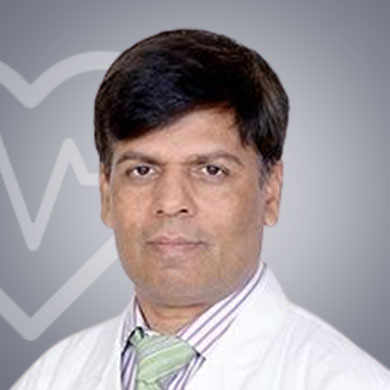
Dr. Nityanand Tripathi
Interventional Cardiologist
29 Years of Experience
With a rich experience of more than 29 years, Dr. Nityanand has gained a vast spectrum of skills and expertise in performing all types of complex cardiac procedures. He is an expert in clinical & interventional cardiology and electrophysiology. He studied his medicine (MBBS) and MD from the Institute of Medical Sciences of Banaras Hindu University, Varanasi, and later completed his DM in Cardiology from the prestigious King George Medical University, Lucknow. View More
Last Reviewed - January 2026