Intramural Fibroids Treatment in United Arab Emirates
- Top Accredited Hospitals
- Global Medical Standards
- Cutting-Edge Technology
- Proven Treatment Options
- High Success Rate
- Trusted by Millions

What are Intramural Fibroids?
Intramural fibroids are benign growths of smooth muscle and connective tissue that develop within the muscular wall (myometrium) of the uterus. They are a common type of uterine fibroid and may occur as a single growth or as multiple fibroids. Some intramural fibroids do not cause symptoms, while larger or multiple fibroids may contribute to heavy or prolonged menstrual bleeding, pelvic pressure, abdominal or back pain, urinary symptoms and reproductive difficulties. Symptoms depend on the size, number, and location of the fibroids and whether they distort the uterine cavity.
What is the Importance of Timely Treatment?
Timely evaluation can help determine the size, number and location of intramural fibroids and whether they are contributing to symptoms such as heavy menstrual bleeding, anemia, pelvic pressure or fertility problems. Asymptomatic fibroids may only require observation, whereas symptomatic or enlarging fibroids may require medication, minimally invasive procedures or surgery. Early assessment also helps identify other causes of abnormal uterine bleeding or pelvic symptoms and allows treatment to be selected according to reproductive plans and individual preferences.
What are the Common Symptoms of Intramural Fibroids?
- Heavy or prolonged menstrual bleeding
- Menstrual bleeding between periods
- Painful menstrual periods
- Pelvic pressure or a feeling of fullness
- Lower abdominal or pelvic pain
- Lower back pain
- Abdominal enlargement or fullness
- Frequent urination or difficulty emptying the bladder when a fibroid presses on the urinary tract
- Constipation or rectal pressure in larger fibroids
- Pain during sexual intercourse
- Fatigue or weakness related to iron-deficiency anemia from heavy bleeding
- Difficulty conceiving in some patients
- Pregnancy-related complications in selected cases
Causes and Risk Factors of Intramural Fibroids
Causes
- The exact cause of intramural fibroids is not completely understood. They develop from abnormal growth of smooth muscle cells within the uterine wall and are influenced by genetic and hormonal factors.
- Oestrogen and progesterone contribute to fibroid growth, which is why fibroids commonly develop during the reproductive years and often shrink after menopause.
- Genetic changes within uterine cells may also contribute to their development.
Risk Factors
- Increasing reproductive age, particularly during the years when fibroids are most likely to develop
- Family history of uterine fibroids
- Genetic or cellular factors associated with fibroid development
- Overweight or obesity
- Hormonal exposure during the reproductive years
- Early onset of menstruation
- Certain population and genetic factors
- Increasing age before menopause
- Factors associated with metabolic and hormonal health
Latest Research and Technologies in the Treatment of Intramural Fibroids in the United Arab Emirates
- Current advances in fibroid management focus on accurate imaging, uterus-preserving treatment and minimally invasive procedures. Transvaginal ultrasound is commonly used to evaluate fibroid size, number and location, while MRI can provide more detailed mapping when treatment planning requires it. Research continues to evaluate newer medical therapies and minimally invasive techniques while considering symptom control, fertility goals and long-term outcomes.
Treatment options for Intramural Fibroids
Myomectomy : Myomectomy removes fibroids while preserving the uterus and may be considered for patients with significant symptoms or selected fertility-related concerns. Depending on fibroid size and location, it may be performed through laparoscopic, robotic or open surgery.
Cost Start From 7000Explore Options
Uterine Artery Embolisation: UAE is a minimally invasive procedure in which small particles are introduced through the uterine arteries to reduce blood flow to the fibroid, causing it to shrink over time. It can provide a uterus-preserving treatment option for appropriately selected patients.
Hysterectomy : Hysterectomy removes the uterus and provides definitive treatment for uterine fibroids. It may be considered when symptoms are severe, other treatments are unsuitable or unsuccessful, or the patient does not wish to preserve fertility. The decision depends on individual circumstances and preferences
- Clinical assessment:
- Gynecological Evaluation: A detailed medical and menstrual history assesses bleeding pattern, pelvic pain, pressure symptoms, urinary or bowel symptoms, reproductive history, fertility concerns and previous treatment. Pelvic examination may help identify an enlarged or irregular uterus.
- Assessment of Menstrual Blood Loss and Anemia: Complete blood count and iron studies may be performed when clinically indicated to assess the effects of chronic blood loss.
- Reproductive and Fertility Assessment: For patients who are planning pregnancy or experiencing difficulty conceiving, evaluation may include reproductive history and assessment of the uterine cavity and other potential causes of infertility.
- Assessment for Other Causes of Abnormal Bleeding: Depending on age, symptoms, and clinical findings, doctors may evaluate other causes of abnormal uterine bleeding, including endometrial pathology, adenomyosis, endometriosis, pregnancy-related conditions, or hormonal disorders.
- Imaging Tests:
- Transvaginal Ultrasound: Commonly used to identify fibroids and assess their size, number and location within the uterus.
- Transabdominal Ultrasound: May be useful for evaluating larger fibroids or when a broader view of the pelvis is required.
- Pelvic MRI: Provides detailed mapping of fibroid size, number and location and may be useful when ultrasound findings are inconclusive or when planning complex surgery or other interventions.
- Hysteroscopy: May be considered when an intracavitary abnormality is suspected, although intramural fibroids themselves are located within the uterine wall and are primarily assessed through imaging such as ultrasound or MRI.
- Additional Imaging: Selected patients may require further pelvic imaging depending on symptoms, treatment planning or concern about another pelvic condition.
MediRehab (a chain of Rehab centres, part of MediGence) provides comprehensive tele-rehabilitation services designed to support Intramural Fibroid patients in the United Arab Emirates. These Services include:
- Physical Activity and Mobility: Appropriate physical activity can help maintain strength and general well-being. Activity may be temporarily modified after myomectomy or other procedures, based on the surgeon's advice.
- Pain Management: Patients may receive guidance on safe movement, prescribed pain medicines, and a gradual return to normal activities after treatment.
- Postoperative Recovery Support: After surgery, rehabilitation focuses on a gradual return to walking, daily activities, work, and exercise while following wound-care and activity restrictions.
- Medicines for intramural fibroids primarily control symptoms rather than permanently removing the fibroid. Non-steroidal anti-inflammatory drugs (NSAIDs) can help relieve menstrual pain and may reduce bleeding in some patients. Hormonal treatments, including combined hormonal contraceptives and progestogen-based treatments in appropriate patients, may help manage heavy menstrual bleeding. Other fibroid-directed hormonal medicines may temporarily reduce bleeding and fibroid-related symptoms.
Instantly Connect with our Specialists


Hospitals for Intramural Fibroids in United Arab Emirates

Dr. Amal Alias Fertility & Gynaecology Center
Dubai, United Arab Emirates
Apart from in-detail treatment procedures available, Dr. Amal Alias Fertility & Gynaecology Center located in Dubai, United Arab Emirates has a wide variety of facilities available for International Patients. Some of the facilities which are provided by them are Accommodation, Airport Transfer, Choice of Meals. Also listed below are some of the most prominent infrastructural details:
- Certified specialists in the field of reproductive care which includes Reproductive Medicine and Infertility Physicians, Gynaecologists, Clinical Embryologists.
- Exceptionally talented qualified and skilled nursing, allied healthcare personnel
- Infrastructure and healthcare personnel who are a boon for infertility evaluation and treatment.
- Dr. Amal Alias Fertility & Gynaecology Center has made a name for itself in Advanced Assisted Reproductive Medicine.
- Technologically advanced equipment and techniques are being used in the center.

NMC Royal Hospital, Khalifa City
Abu Dhabi, United Arab Emirates
NMC Royal Hospital, Khalifa City located in Abu Dhabi, United Arab Emirates is accredited by JCI. Also listed below are some of the most prominent infrastructural details:
- Capacity for 500 beds
- 53 Critical Care beds
- 24-hour Emergency Services
- 24-hour Ambulance Service
- OPD (Outpatient department treatment)
- An Automated Laboratory
- The Hospital has the first hybrid Operating Theatre with flex move system
- First NICU and PICU Combination set up
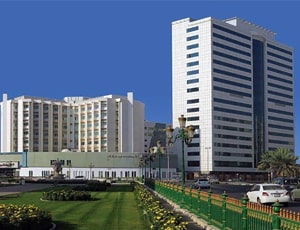
NMC Royal Hospital Sharjah
Sharjah, United Arab Emirates
NMC Royal Hospital Sharjah located in Sharjah, United Arab Emirates is accredited by JCI. Also listed below are some of the most prominent infrastructural details:
- This is a multispecialty hospital with all the latest amenities and state of the art equipment.
- It has the best of doctors, surgeons, and allied healthcare professionals who are completely dedicated to patient care.
- It comprises the below mentioned smart healthcare facilities which make getting treated at this hospital a comfortable and satisfying experience for the patients.
- High-end operation theatre
- 24*7 ambulance service which has all emergency equipment
- 24*7 emergency services
- Option of a free overnight stay for one parent for child up to 12 years of age
- International patient care center
- Special men and women health package
Our Services to better your experience
Opinion & Option
We submit the most accurate opinion and options from one or more countries for your review
Consult Privately
Consult with a certified specialist privately on our telemedicine platform even before you decide to travel
Logistics
We handle flights, visas, transfers, and accommodation—so you can focus on your health.
Recovery
Our In-house rehabilitation service packages to better your recovery and treatment outcome
Why Choose the United Arab Emirates for Intramural Fibroids Treatment?
- Multidisciplinary Gynecological Care: Patients can access gynecologists, minimally invasive surgeons, reproductive specialists, radiologists and other specialists according to their individual needs.
- Advanced Diagnostic Facilities: Major centres may provide transvaginal ultrasound, pelvic MRI, laboratory testing, and detailed fibroid mapping to support treatment planning.
- Uterus-Preserving Treatment Options: Depending on individual suitability, treatment may include myomectomy, uterine artery embolisation and other minimally invasive approaches.
- Advanced Surgical Techniques: Selected hospitals may offer laparoscopic, robotic-assisted, and open myomectomy, as well as hysterectomy, when clinically appropriate.
- Comprehensive International Patient Support: Major hospitals may provide medical-record review, specialist consultations, treatment coordination, accommodation assistance and follow-up services for international patients.
