Idiopathic Intracranial Hypertension Treatment in India
- Top Accredited Hospitals
- Global Medical Standards
- Cutting-Edge Technology
- Proven Treatment Options
- High Success Rate
- Trusted by Millions

What is Idiopathic Intracranial Hypertension?
Increased pressure around the brain is called idiopathic intracranial hypertension (IIH), originally known as pseudotumor cerebri. It happens when the brain and spinal cord are cushioned by cerebrospinal fluid (CSF), which accumulates in the skull. Both the brain and the optic nerve, the nerve at the back of your eye that aids in vision, become under pressure.
What can I expect if my son has Idiopathic Intracranial Hypertension?
You must watch for symptoms of Idiopathic Intracranial Hypertension in children and teenagers, such as headache. Additional symptoms include pain in the arms, shoulders, or neck; nausea; vomiting; pulsating tinnitus; diplopia; impaired vision; and temporary blind spots.
What are the Common Symptoms of Idiopathic Intracranial Hypertension?
- Fatigue
- Headaches (severe and abrupt)
- Double vision
- Tinnitus
- Shoulder and neck ache
- Temporary blindness or blind spots in eyesight
- Nausea and vomiting
- Loss of peripheral (side) vision
To determine whether these symptoms are associated with IIH or anything else, consult your healthcare physician.
Causes, Risk Factors and Complications of Idiopathic Intracranial Hypertension.
Causes
The precise cause of IIH is unknown to medical professionals. "Idiopathic" denotes an unidentified etiology. Researchers speculate that there might be a narrowing of the brain's major veins (venous sinuses) or an obstruction in the CSF pathway, which is the route that cerebrospinal fluid takes to move through the brain. Pressure may rise as a result of fluid or blood backing up as it attempts to leave your brain. Rare cases of Idiopathic Intracranial Hypertension are thought to be caused by a genetic mutation that can run in families, despite the fact that no associated genes have been discovered.
Risk Factors
The precise cause of IIH is unknown to medical professionals. "Idiopathic" denotes an unidentified etiology. Researchers speculate that there might be a narrowing of the brain's major veins (venous sinuses) or an obstruction in the CSF pathway, which is the route that cerebrospinal fluid takes to move through the brain. Pressure may rise as a result of fluid or blood backing up as it attempts to leave your brain.
Anomalies. This includes the ribs and cartilage where they attach to the sternum, which may be underdeveloped or absent.
Complications
If left untreated, IIH might cause blindness. This cannot be undone. Inform your healthcare practitioner as soon as you observe changes in your vision so they can suggest treatment alternatives to avoid this issue.Connect with our advisor for a PRIORITY response
Latest Research and Technologies in the Treatment of Idiopathic Intracranial Hypertension in India.
Currently, Idiopathic Intracranial Hypertension treatment in India is focusing on trials related to GLP-1 receptor agonist exenatide. In a randomized, placebo-controlled study, this dramatically lowered intracranial pressure in patients with idiopathic intracranial hypertension, both immediately and after 12 weeks of dosage. In cases of idiopathic intracranial hypertension, the data suggest switching to a phase 3 study.
Idiopathic Intracranial Hypertension Prevention Tips
Since the cause of IIH is not fully known, it cannot be prevented. By keeping your weight within a healthy range, you can lower your chance of getting the illness. You can also manage any risk factors for IIH with the assistance of a healthcare professional.
Treatment options for Idiopathic Intracranial Hypertension
VP Shunt: A brain shunt used to treat Idiopathic Intracranial Hypertension is called a ventriculoperitoneal (VP) shunt. The extra cerebrospinal fluid is eliminated by the shunt. Untreated Idiopathic Intracranial Hypertension in children can cause a variety of negative consequences, such as increased irritability, persistent headaches, learning challenges, visual abnormalities, and in more severe cases, severe mental retardation.
Cost Start From USD 4500 - USD 5500Explore Options
A medical professional will review your medical history and conduct a physical examination in order to diagnose IIH. After learning more about your symptoms, they will perform a number of diagnostic tests to rule out illnesses that share those symptoms. Tests could consist of:
- A visual field test is used in conjunction with an eye exam to detect blind spots in your vision
- MRI or CT scan of the brain
- The lumbar puncture, or spinal tap
Patients with a BMI over 30 may need rehabilitation. Your doctor might advise changing your lifestyle to enhance your general health in order to stop IIH from occurring again. This can entail taking part in a program for managing weight.
According to researchers, having too much body fat in your chest and belly puts pressure on those areas, making it more difficult for blood from your brain to get there. Fluid buildup in the brain can therefore raise your risk of IIH.
You can manage IIH symptoms with the aid of some medications. Your doctor might recommend:
- Reduce the amount of CSF your body produces by taking topiramate or acetazolamide
- A water pill, or diuretic, to reduce fluid retention
- Medications that reduce headache pain
- If you take birth control pills, intend to get pregnant, or are already pregnant, let your doctor know. Because of the possible adverse effects, they might provide substitutes for topiramate and acetazolamide.
Instantly Connect with our Specialists


Hospitals for Idiopathic Intracranial Hypertension in India
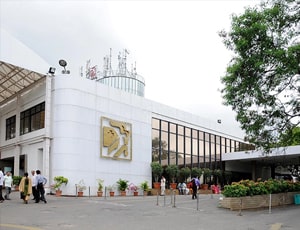
Apollo Hospitals
Hyderabad, India
Apollo Hospitals located in Hyderabad, India is accredited by JCI, NABH. Also listed below are some of the most prominent infrastructural details:
- A premier multi-specialty hospital with 477-bed capacity
- More than 50 specialties, super-specialties
- 12 Centers of Excellence
- The Institutes for Heart Diseases, Neurosciences, Cancer, Emergency, Orthopaedics, Renal Diseases, and Transplants
- Centers of Excellence are known for patient care, training and research
- Doctors with years of truly global experience in healthcare delivery

Medanta - The Medicity
Gurgaon, India
Medanta – The Medicity, Gurugram, founded by renowned cardiac surgeon Dr. Naresh Trehan, is a leading multi-super speciality hospital offering advanced yet affordable healthcare. Spread across a 43-acre campus, it houses 1,391 beds, 270 ICU beds, 40 operation theatres, and 900+ doctors across 30+ specialities. Accredited by JCI, NABH, and NABL, Medanta is designed per American Institute of Architects’ healthcare guidelines. Recognised as the Best Private Hospital in India (2020–2025) and among the World’s Top 250 Hospitals (Newsweek 2024), it excels in Cardiac Care, Cancer, Neurosciences, Gastro, Orthopaedics, and Renal Care, ensuring world-class, collaborative, and compassionate treatment.

Star Hospitals
Hyderabad, India
Star Hospitals located in Hyderabad, India is accredited by NABH, NABL. Also listed below are some of the most prominent infrastructural details:
- The bed capacity of Star Hospitals, Hyderabad, India is 130.
- The hospital has Intensive Care Units which are upgraded with the latest technologies.
- International patient care services are applied to make the process of medical travel easier for international patients.
- Centres of Excellence across disciplines such as Cardiac Sciences, Renal Sciences, Critical Care, ENT, Spine Surgery etc.
- A radiology centre which has been digitised.
- There are Centers of Excellence for prominent specialties such as cardiac care and neurosciences, there are a total of six.
Our Services to better your experience
Opinion & Option
We submit the most accurate opinion and options from one or more countries for your review
Consult Privately
Consult with a certified specialist privately on our telemedicine platform even before you decide to travel
Logistics
We handle flights, visas, transfers, and accommodation—so you can focus on your health.
Recovery
Our In-house rehabilitation service packages to better your recovery and treatment outcome
Why Choose India for Idiopathic Intracranial Hypertension Treatment?
Here are some of the reasons for choosing India:
- Due to advancements in medical facilities, such as minimally invasive surgical techniques and VP shunt surgery.
- World-class experts include highly experienced doctors, JCI, and NABH-accredited healthcare institutions.
- Compared to other countries, treatment in Indian hospitals is cost-effective.
- Indian hospitals provide international patient services, including a multilingual support system.
- Improved treatment methods and biological therapies.
Frequently Asked Questions
Although there is rarely a cure for IIH, symptoms can be considerably reduced and vision preserved with weight loss, medication, and surgery. Venous stenting is a very successful treatment for patients with IIH and venous stenosis.
With skilled neurosurgeons and cutting-edge medical technology, India has demonstrated significant success rates in treating Idiopathic Intracranial Hypertensions. The nation's healthcare institutions offer top-notch treatment alternatives, guaranteeing successful outcomes for many patients.
Yes, many Indian hospitals offer the following for Idiopathic Intracranial Hypertensions treatment:
- Advanced diagnostic tools like MRI, CT scan, electromyography, and PET scan for accurate neurofibroma diagnosis
- Skilled neurologist, oncologist and surgeons for Idiopathic Intracranial Hypertensions
- Advanced VP Shunt procedures
- Comprehensive post-surgery care and rehabilitation for long-term health benefit
Always consider the following factors when selecting Indian hospitals:
- Hospitals that are accredited (authorised by JCI and NABH).
- Patient reviews and success rates.
- Hospitals that provide seamless care to patients from abroad.
In general, Idiopathic Intracranial Hypertensions treatment has much improved in India. When medication and weight loss fail to control idiopathic intracranial hypertension (IIH), a VP (ventriculoperitoneal) shunt is a surgical option that allows excess cerebrospinal fluid (CSF) to drain from the brain to the abdomen, relieving pressure and managing symptoms like severe headaches and vision issues. This procedure should be carried out by a qualified neurosurgeon at a specialized medical center.
Headaches and alterations in vision are two of the main symptoms of IIH that you should be on the lookout in your child. The most prevalent IIH symptom is headaches. The headaches may be experienced differently by each patient. In addition to headaches, patients occasionally have nausea and vomiting.
With proper management, most patients can lead relatively normal lives with regular monitoring and medication. Long term effects of Idiopathic Intracranial Hypertension can cause permanent vision loss, chronic headaches, and a significantly reduced quality of life due to visual disturbances. The most serious potential complication is irreversible damage to the optic nerve, which can lead to blindness if left untreated.
Your healthcare practitioner will assist you in selecting the best course of treatment for your child if your child has Idiopathic Intracranial Hypertension. Maintaining a healthy weight through diet and exercise, taking prescribed medications like acetazolamide, closely monitoring your child's symptoms, and being aware of any warning signs that may require immediate medical attention; such as worsening headaches, changes in vision, or nausea are all important aspects of caring for a child with idiopathic intracranial hypertension (IIH). You should also always consult your child's doctor for specific management plans based on their unique case.

Reviewer
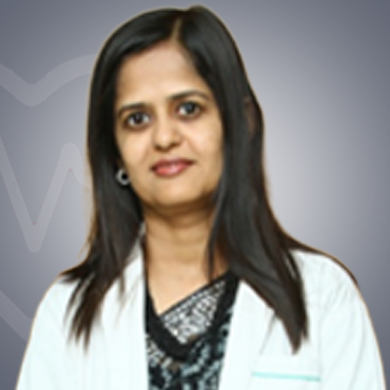
Dr Sonal Gupta
Neurosurgeon
29 Years of Experience
Dr. Sonal Gupta has an experienced neurosurgeon with more than 29+ years of clinical expertise. She is currently the Director, Neuro & Spine Surgery at Fortis Hospital, Shalimar Bagh. Before joining Fortis, she has been associated with various organizations such as Maharaja Agrasen Hospital, Action Balaji Hospital, and Max Hospital. View More
Last Reviewed - January 2026