Hypoplastic Left Heart Syndrome (HLHS) Treatment in India
- Top Accredited Hospitals
- Global Medical Standards
- Cutting-Edge Technology
- Proven Treatment Options
- High Success Rate
- Trusted by Millions

What is Hypoplastic Left Heart Syndrome (HLHS)?
A child born with a rare cardiac condition is known as hypoplastic left heart syndrome (HLHS). It is, therefore, a congenital cardiac defect. In this condition, the left half of the heart is underdeveloped and undersized. Thus, its blood-pumping ability is poor. Instead, blood must be pumped to the lungs and the rest of the body by the right side of the heart, causing severe breathing problems.
What can I expect if my child has hypoplastic left heart syndrome?
Your child will require follow-up appointments with a cardiologist (heart doctor) at least once a year for the rest of their life. These checkups guarantee that their lungs, hearts, and other organs still function correctly. An adult congenital heart disease expert will treat your child once they reach adulthood.
The majority of kids with hypoplastic left heart syndrome will require cardiac medications. Antibiotics must also be taken before any other procedures, including dental procedures. These medications decrease the risk of endocarditis or heart infection.
What are the Common Symptoms of Hypoplastic Left Heart Syndrome (HLHS)?
Cyanosis is a darkening of the skin, lips, and nails that can be grayish for dark-skinned persons or bluish for light-skinned people.
- Having trouble breathing.
- Feeding difficulties.
- Lethargy, or a lack of vitality.
- Fast heartbeat.
- Cold, sweaty, or clammy skin.
- Weak heartbeat.
If left untreated, this disease might cause a newborn to go into shock.
- Shock symptoms include cold, clammy skin that may be pale, gray, or blue lips.
- A weak and rapid pulse.
- Breathing, which could be shallow and slow or extremely fast.
- Dull eyes.
Causes, Risk Factors and Complications of Hypoplastic Left Heart Syndrome (HLHS)
Causes
- A baby's left side of the heart may not fully grow during pregnancy, leading to hypoplastic left heart syndrome (HLHS), which impairs the heart's ability to pump blood to the body.
- The aorta, left ventricle, and aortic and mitral valves are all impacted by this illness. The ductus arteriosus and foramen ovale allow the right side to pump blood to the body and lungs after birth.
- Babies with HLHS need medicine to keep their blood flowing until heart surgery since their left side has trouble pumping blood.
Risk Factors
- The likelihood of having another kid with hypoplastic left heart syndrome (HLHS) or a related condition is increased for those who have a child with this ailment.
Complications
HLHS complications might include:
- Getting tired more quickly while exercising or playing sports
- Arrhythmias (irregular heartbeats)
- Edema is a fluid buildup in the legs, feet, stomach, and lungs
- Not developing properly
- Conditions relating to brain and nervous system development
- More heart surgery or a heart transplant is required
Connect with our advisor for a PRIORITY response
Latest Research and Technologies in the Treatment of Hypoplastic Left Heart Syndrome (HLHS) in India
- According to the National Institutes of Health (NIH), recent developments through clinical trials of Stem-cell-based therapies have shown great potential in treating congenital heart diseases like HLHS.
Hypoplastic Left Heart Syndrome (HLHS) Prevention Tips
A lot of HLHS instances lack a clear cause. Nonetheless, healthcare professionals always advise healthy practices throughout pregnancy, such as
- Avoid smoking and alcohol.
- Taking care of any illnesses, including diabetes.
- Consuming a nutritious diet.
- Taking folic acid as a daily prenatal vitamin
Treatment options for Hypoplastic Left Heart Syndrome (HLHS)
Norwood procedure: The Norwood procedure is a heart surgery performed in the first two weeks of life. It involves rebuilding the aorta, connecting it to the heart, and adding a shunt for the lungs.
Cost Start From USD 10000 - USD 12000Explore Options
Fontan procedure: The Fontan procedure, typically performed in children aged 3-4, involves creating a pathway for oxygen-poor blood to flow directly into the pulmonary arteries, resulting in minimal mixing of oxygen-rich and oxygen-poor blood in the heart.
Cost Start From USD 5000 - USD 9000Explore Options
Heart transplant: A heart transplant is necessary for many infants with hypoplastic left heart syndrome. To prevent their bodies from rejecting the donor's heart, children who have heart transplants must take medications for the rest of their lives.
Cost Start From USD 55000 - USD 65000Explore Options
- Prenatal Diagnosis:
- Pregnancy ultrasound: If the infant has HLHS, it may usually be determined by a routine ultrasound examination performed during the second trimester of pregnancy.
- Postnatal Diagnosis:
- Echocardiogram: This test creates images of the heart using sound waves.
- Chest X-ray: An X-ray of your baby's chest can reveal the size and form of their heart and lungs.
- Electrocardiogram (EKG): A heartbeat's electrical alterations are measured by EKG.
- Pulse oximetry screening: Measures the amount of oxygen in your baby's blood.
A baby with hypoplastic left heart syndrome may receive medication and undergo the following therapies while awaiting surgery or a heart transplant:
- Breathing help: A ventilator is breathing equipment that can help babies with breathing problems.
- Feeding tube: A feeding tube can feed babies who struggle to eat or get tired while eating.
- The ductus arteriosus is kept open by the medication. It typically closes in all babies soon after birth. However, the ductus must remain open in infants with hypoplastic left heart syndrome for blood to flow to the rest of the body.
Instantly Connect with our Specialists


Hospitals for Hypoplastic Left Heart Syndrome (HLHS) in India
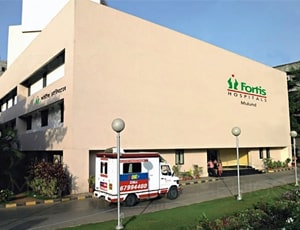
Fortis Hospital, Mulund
Mumbai, India
Fortis Hospital Mulund, located in Mulund West, Mumbai, is a premier healthcare facility providing excellence in multi-speciality healthcare for over 20 years. The global leader in advancing medical technology and clinical expertise, the hospital offers specialities including Cardiology, Neurosciences, Oncology, Transplants, and Orthopaedics. The hospital is well-known for being the largest transplant center in Maharashtra and offers advanced treatment options, including Transcatheter Aortic Valve Implantation (TAVI) and stereotactic precision radiotherapy for cancer. Fortis Mulund is equipped with a 24/7 Emergency Department and International Patient Unit to provide world-class patient-centric care.
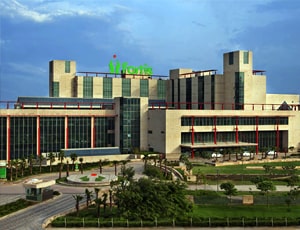
Fortis Memorial Research Institute
Gurgaon, India
Fortis Healthcare Limited stands as one of India's largest integrated healthcare providers, managing 33 hospitals across 11 states and operating more than 5,700 beds and 400 diagnostic labs. Four of our hospitals are accredited by JCI and 26 by NABH. With a workforce of over 12,500 healthcare professionals, we combine clinical excellence, a patient-focused approach, and innovation to provide high-quality, affordable, and compassionate healthcare to patients in India.
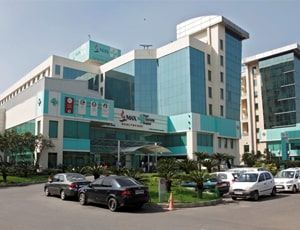
Max Super Speciality Hospital, Saket
Delhi, India
Max Smart Super Speciality Hospital, Saket, is a 250-bed tertiary care hospital awarded NABH accreditation, which provides advanced medical care in various specialities such as Cardiac Sciences, Orthopaedics, Neurology, Urology, Kidney Transplant, Paediatrics, and Obstetrics & Gynaecology. The hospital provides quality, safe, integrated, and patient-centric medical care using modular OTs, ICUs, Cath Labs, CT, MRI and Dialysis units.
Our Services to better your experience
Opinion & Option
We submit the most accurate opinion and options from one or more countries for your review
Consult Privately
Consult with a certified specialist privately on our telemedicine platform even before you decide to travel
Logistics
We handle flights, visas, transfers, and accommodation—so you can focus on your health.
Recovery
Our In-house rehabilitation service packages to better your recovery and treatment outcome
Why Choose India for Hypoplastic Left Heart Syndrome (HLHS) Treatment?
Here are some of the reasons for choosing India:
- Due to advancements in medical facilities, such as minimally invasive surgical techniques.
- World-class experts include highly experienced doctors, JCI, and NABH-accredited healthcare institutions.
- Compared to other countries, treatment in Indian hospitals is cost-effective.
- Indian hospitals provide International patient services, including a multilingual support system.
- Improved treatment methods and biological therapies.
Frequently Asked Questions
Yes, some surgeries, such as the Norwood and Fontan procedures, can be used to treat hypoplastic left heart syndrome (HLHS); nevertheless, lifetime care and monitoring are frequently needed. A heart transplant may be required in certain circumstances.
With skilled pediatric cardiac surgeons and cutting-edge medical technology, India has demonstrated significant success rates in treating HLHS. The nation's healthcare institutions offer top-notch treatment alternatives, guaranteeing successful outcomes for many patients.
Yes, many Indian hospitals offer the following for HLHS treatment:
- Advanced diagnostic tools like echocardiography and MRI for accurate heart assessments.
- Skilled pediatric cardiologists and cardiac surgeons for congenital heart defects.
- Advanced surgeries, such as the Norwood and Fontan procedures.
- Comprehensive post-surgery care and follow-up to ensure long-term heart health.
Always consider the following factors when selecting Indian hospitals:
- Hospitals that are accredited (authorised by JCI and NABH).
- Patient reviews and success rates.
- Hospitals that provide seamless care to patients from abroad.
In general, HLHS treatment in India has a high success rate; survival rates for significant procedures like Fontan and Norwood range from 70% to 85%. Top hospitals offer specialised knowledge and cutting-edge care.
HLHS can occasionally be detected while the infant is still in the womb during a routine ultrasound. A heart ultrasound, often known as an echocardiogram, or other testing can be performed after birth to confirm the diagnosis.
Although every child's experience is unique, many children with HLHS grow up healthy, though they may require lifelong medical care and cardiac care. Even though they may have heart health or activity issues, some people can still lead normal lives.
Hypoplastic left heart condition cannot be treated by surgery during pregnancy. A fetal surgeon may decide to perform surgery just to treat specific problems that may be linked to poor outcomes for HLHS or in infants who are developing HLHS.
Here are some ways you can take care of your child:
- Every six months or annually, take your child to see a cardiologist.
- Ensure that your child takes the prescribed medications.
- According to the healthcare expert, limit your child's vigorous physical exercise.

Reviewer

Dr. Akash Khandelwal
Hematologist
9 Years of Experience
Dr. Akash Khandelwal is a distinguished Hematologist, Hemato-oncologist, and Bone Marrow Transplant (BMT) Physician with extensive training from the prestigious AIIMS New Delhi. His expertise encompasses a wide range of specialized techniques in bone marrow transplantation, including autologous and allogeneic transplants such as matched sibling donors, matched unrelated donors (MUD), and haploidentical donor transplants. Dr. Khandelwal has personally supervised and conducted over 100 bone marrow transplants. View More
Last Reviewed - January 2026