Hydronephrosis Treatment in Turkey
- Top Accredited Hospitals
- Global Medical Standards
- Cutting-Edge Technology
- Proven Treatment Options
- High Success Rate
- Trusted by Millions

What is Hydronephrosis?
Hydronephrosis is the swelling or enlargement of one or both kidneys caused by impaired drainage of urine. It usually occurs when urine cannot flow normally from the kidney to the bladder because of a blockage, narrowing or backward flow of urine. Kidney stones, urinary tract obstruction, enlarged prostate, congenital abnormalities, ureteral narrowing, pregnancy and certain cancers can cause hydronephrosis. Mild cases may resolve when the underlying problem improves, while prolonged or severe obstruction can damage kidney tissue and reduce kidney function.
What is the Importance of Timely Treatment?
Timely evaluation is important because persistent urinary obstruction can increase pressure within the kidney and, in severe or prolonged cases, cause permanent kidney damage or kidney failure. Treatment focuses on identifying and relieving the underlying obstruction, treating associated infection or other causes, and preserving kidney function. Some mild cases may only require monitoring, while significant obstruction may require urinary drainage or a procedure to correct the cause.
What are the Common Symptoms of Hydronephrosis?
- Pain in the side, back or abdomen that may radiate toward the groin
- Painful or burning urination
- Increased urinary frequency or urgency
- Difficulty passing urine or incomplete bladder emptying
- Blood in the urine
- Nausea or vomiting
- Fever or chills, particularly when infection is present
- Reduced urine output in significant obstruction
- Recurrent urinary tract infections
- Symptoms of reduced kidney function in advanced disease
Causes and Risk Factors of Hydronephrosis
Causes
- Hydronephrosis develops when urine drainage from the kidney is impaired. Common causes include kidney or ureteral stones, ureteral narrowing or scarring, enlarged prostate, urinary tract obstruction, congenital abnormalities, vesicoureteral reflux, urinary tract infections, pregnancy and tumours or cancers that compress or block the urinary tract.
- In some patients, obstruction may occur at the ureteropelvic junction or another point along the urinary drainage system.
Risk Factors
- Previous or recurrent kidney stones
- Enlarged prostate in older men
- Previous pelvic or urinary tract surgery
- Ureteral scarring or narrowing
- Recurrent urinary tract infections
- Vesicoureteral reflux or congenital urinary tract abnormalities
- Pregnancy
- Pelvic or urinary tract tumors
- Certain neurological or bladder-emptying disorders
- Previous radiation treatment involving the urinary tract or pelvis
Latest Research and Technologies in the Treatment of Hydronephrosis in Turkey
- Hospitals in Turkey may use ultrasound, CT, MRI and nuclear renal scans to identify the cause of hydronephrosis and assess kidney function. Recent research at Turkish institutions has explored artificial intelligence (AI) to detect hydronephrosis on CT scans and predict congenital urinary tract abnormalities, while other studies have investigated advanced ultrasound techniques to assess kidney tissue damage. These technologies are still being evaluated and should not be presented as routine clinical services in every hospital. Depending on the cause, treatment may include ureteroscopy, ureteral stenting, nephrostomy or surgery to restore normal urine drainage.
Treatment options for Hydronephrosis
Nephrectomy : This is the surgical removal of a kidney and may be considered when long-standing hydronephrosis has caused severe, irreversible loss of kidney function, particularly when the affected kidney contributes little or no useful function and is associated with recurrent infection, persistent pain, stones, or other complications.
Cost Start From 7000Explore Options
Surgery to correct an obstruction: Procedures may be needed for ureteral narrowing, ureteropelvic junction obstruction or other structural abnormalities.
Percutaneous nephrostomy: A drainage tube is inserted through the skin into the kidney when urine needs to be drained directly, including in selected urgent situations.
Treatment of kidney or ureteral stones: Depending on the stone's size and location, treatment may include observation, selected medicines to help stone passage, shock-wave lithotripsy or endoscopic stone removal.
- Clinical assessment:
- Urological Evaluation: A detailed history assesses flank or abdominal pain, urinary frequency, urgency, painful urination, reduced urine output, blood in the urine, recurrent infections, previous kidney stones, urinary procedures and other conditions that may cause obstruction.
- Kidney Function Assessment: Blood tests such as serum creatinine and estimated glomerular filtration rate (eGFR) help determine whether urinary obstruction has affected kidney function.
- Urine Assessment: Urinalysis can identify blood, protein, white blood cells and other findings that may suggest stones, infection or kidney disease.
- Assessment of the Cause: Doctors evaluate for kidney stones, ureteral narrowing, enlarged prostate, urinary reflux, congenital abnormalities, pelvic masses and other causes of obstruction.
- Functional Kidney Assessment: In selected patients, nuclear renal scans such as MAG3 may be used to evaluate how well each kidney functions and how efficiently urine drains from the kidneys.
- Imaging Tests:
- Renal Ultrasound: Often used as an initial imaging test to identify kidney swelling, urinary tract dilation, stones and some masses without radiation exposure.
- CT Scan: Can provide detailed images of the urinary tract and identify stones, obstruction, tumors, infections and other structural abnormalities.
- CT Urography: May be used when detailed evaluation of the urinary tract is required.
- MRI/MR Urography: Consider when detailed soft-tissue or urinary-tract imaging is needed or when radiation should be avoided.
- Cystoscopy and Ureteroscopy: These endoscopic procedures can directly examine the bladder and ureter and may also allow treatment of selected obstructions or stone disease.
MediRehab (a chain of Rehab centres, part of MediGence) provides comprehensive tele-rehabilitation services designed to support Hydronephrosis patients in Turkey. These Services include:
- Gradual Physical Activity: Patients can usually return to normal movement gradually after treatment, with activity restrictions based on the procedure and the treating team's advice.
- Hydration and Kidney-Supportive Care: Follow the treating clinician's recommendations for fluid intake, particularly if obstruction, reduced kidney function, or heart conditions are present. Patients with kidney stones may also receive individualised dietary guidance.
- Bladder and Urinary Function Support: Patients with underlying bladder-emptying problems may require follow-up, pelvic-floor or bladder-management strategies depending on the cause of obstruction.
- Long-Term Kidney and Stone Prevention Support: Patients with recurrent stones or chronic urinary tract problems may benefit from dietary counselling, physical activity, medication adherence and regular kidney-function and imaging follow-up.
- Medicines do not directly remove every cause of hydronephrosis, so treatment targets the underlying obstruction or condition. Pain-relieving medicines may be used when appropriate, while antibiotics are prescribed when a urinary tract or kidney infection is present. Depending on the cause, medicines may also be used to manage conditions contributing to urinary obstruction, such as symptoms related to an enlarged prostate. Medication selection should consider kidney function, the underlying cause and other health conditions.
Instantly Connect with our Specialists


Hospitals for Hydronephrosis in Turkey
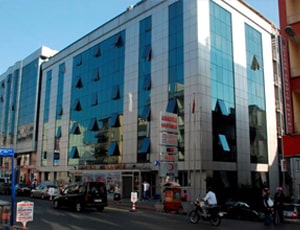
Eregli Anadolu Hospital
Zonguldak, Turkey
Apart from in-detail treatment procedures available, Eregli Anadolu Hospital located in Zonguldak, Turkey has a wide variety of facilities available for International Patients. Some of the facilities which are provided by them are Accommodation, Airport Transfer, Choice of Meals, Interpreter, SIM, TV inside room. Also listed below are some of the most prominent infrastructural details:
- Latest cutting edge technology applied in the diagnostic and medical treatment equipment and processes.
- Complex and critical conditions have been treated by the hospital over time.
- Inbuilt area is 9000 square meters
- 130 inpatient bed capacity
- 30 physicians working in the hospital
- A number of polyclinics
- Diagnostic facilities such as with imaging, sleep labs, biochemistry labs
- Emergency rooms available
- Intensive care units for critical cases
- Operation theatres with latest facilities

Baskent University Istanbul Hospital
Istanbul, Turkey
Baskent University Istanbul Hospital located in Istanbul, Turkey is accredited by ISO. Also listed below are some of the most prominent infrastructural details:
- 13.000 square meters indoor area
- Aesthetically designed Inpatient rooms
- Latest healthcare equipments
- 105 bed capacity
- 5 operating rooms
- 38 bed capacity in the Intensive Care Unit
- 609 healthcare personnel and healthcare professors
- Translation services for International patients

VM Medical Park Ankara
Ankara, Turkey
Apart from in-detail treatment procedures available, VM Medical Park Ankara located in Ankara, Turkey has a wide variety of facilities available for International Patients. Some of the facilities which are provided by them are Accommodation, Airport Transfer, Choice of Meals, Interpreter, TV inside room. Also listed below are some of the most prominent infrastructural details:
- Covers an area of 22,000 sqm
- Capacity of 44 beds
- 6 Operating Rooms
- 72 Outpatient Clinics
- Online doctor consultation
- Medical records transfer
- Rehabilitation
- Translation services
- Interpreter services
- Airport pickup
- Hotel booking
- Free Wi-fi
- Phone in the room
- TV in the room
- Special dietary requests accepted
- Private rooms for patients available
- Family accommodation
- Pharmacy
- Laundry
- Mobility accessible rooms
Our Services to better your experience
Opinion & Option
We submit the most accurate opinion and options from one or more countries for your review
Consult Privately
Consult with a certified specialist privately on our telemedicine platform even before you decide to travel
Logistics
We handle flights, visas, transfers, and accommodation—so you can focus on your health.
Recovery
Our In-house rehabilitation service packages to better your recovery and treatment outcome
Why Choose Turkey for Hydronephrosis Treatment?
- Specialised Urological Care: Major Turkey centres may provide urologists, nephrologists, radiologists and other specialists for complex urinary obstruction and kidney conditions.
- Advanced Diagnostic Facilities: Hospitals may provide ultrasound, CT, MRI, nuclear renal scans, laboratory testing and endoscopic evaluation to identify the cause of hydronephrosis.
- Minimally Invasive Procedures: Selected patients can be evaluated for ureteroscopy, stone removal, ureteral stenting, nephrostomy and other minimally invasive approaches.
- Comprehensive Kidney Care: Patients with impaired kidney function can receive coordinated urological and nephrological evaluation, including monitoring and treatment of complications.
- International Patient Support: Major hospitals may provide medical record review, specialist consultations, treatment coordination, accommodation assistance, and follow-up services for international patients.
