Hydrocephalus Treatment in Malaysia
- Top Accredited Hospitals
- Global Medical Standards
- Cutting-Edge Technology
- Proven Treatment Options
- High Success Rate
- Trusted by Millions

What is Hydrocephalus?
Excessive buildup of cerebrospinal fluid (CSF) in the brain's ventricles is known as hydrocephalus. This extra fluid enlarges the ventricles, putting dangerous pressure on the brain's tissues. Although hydrocephalus cannot be cured now, it can be managed.
What are the Common Symptoms of Hydrocephalus?
- Nausea and vomiting
- Lethargy, which is a state of sluggishness or sleepiness
- Anger
- Unhealthy eating
- Fits
- Sunsetting of the eyes, which is the term for eyes that are fixed downward
- Issues with strength and muscular tone
- Headache
- Double or blurred vision
- The eyes move in unusual ways
- A toddler's head enlargement
- Sluggishness or sleepiness
- Feeling sick or throwing up
- A problem with equilibrium
- A lack of coordination
- A weak appetite
- Frequent urination or loss of bladder control.
- A headache
- Loss of balance or coordination
- Frequent urination or loss of bladder control
- Issues with vision
- Reduction in memory, focus, and other cognitive abilities
Causes, Risk Factors and Complications of Hydrocephalus
Causes
- Congenital (birth defects)
- Neural tube defects (spina bifida)
- Infections (meningitis, encephalitis)
- Brain tumours
- Head injury
- Brain haemorrhage (especially in premature babies)
- Cysts or lesions
Risk Factors
- Premature birth
- Infections during pregnancy
- Family history
- Brain or spinal cord abnormalities
- Head trauma
- Central nervous system infections
Complications
- Brain damage
- Developmental delays
- Physical disabilities
- Learning difficulties
- Vision problems
- Memory loss
- Poor coordination
- Seizures
Connect with our advisor for a PRIORITY response
Latest Research and Technologies in the Treatment of Hydrocephalus in Malaysia
In Malaysia, much advancement has been made in managing hydrocephalus using contemporary surgical techniques and technology. The old standby, ventriculoperitoneal (VP) shunt, continues to gain ground because its alternative endoscopic third ventriculostomy (ETV) is now preferred for non-shunt treatment. ETV would allow for avoiding shunt dependency by constructing an internal diversion for cerebrospinal fluid (CSF) flow. Also, smart shunts are now developing and are capable of real-time monitoring of intracranial pressure and blockage detection to enhance patient management. Research is also underway on pharmacological agents that would alter CSF dynamics to eliminate the need for surgery.
Hydrocephalus Prevention Tips
It is impossible to keep your child from developing hydrocephalus. But if you intend to have further children, your baby's doctor might recommend genetic counselling. You can find out about your chance of developing this issue in subsequent pregnancies through counselling. To screen for hydrocephalus during pregnancy, you might additionally require testing.
Treatment options for Hydrocephalus
VP Shunt: A brain shunt used to treat hydrocephalus is called a ventriculoperitoneal (VP) shunt. The shunt eliminates the extra cerebrospinal fluid. Untreated hydrocephalus in children can cause a variety of negative consequences, such as increased irritability, persistent headaches, learning challenges, visual abnormalities, and in more severe cases, severe mental retardation. The indications of VP shunts are discussed in this review, along with the importance of the interprofessional team in managing these patients.
Cost Start From USD 6720 - USD 10080Explore Options
Endoscopic Third Ventriculostomy: An alternative surgical technique that does not require a shunt is endoscopic third ventriculostomy, which establishes a bypass for the cerebrospinal fluid in the head. Only those who have hydrocephalus—a condition in which the flow of cerebrospinal fluid is blocked—benefit from it. Endoscopic refers to a surgical procedure that is carried out using an endoscope. An endoscope is a slender tube with an intense light, a strong magnifying lens, and an opening through which tiny instruments are passed.
Cost Start From USD 10000 - USD 20000Explore Options
Neurological examination: The type of neurological examination is determined by the patient's age. A medical expert may ask questions and administer basic tests to assess a patient's muscular condition, movement, overall health, and sensory capacities.
Imaging Studies: Hydrocephalus can be diagnosed with the aid of imaging testing. They are also able to identify the root causes of symptoms. Among the imaging examinations are ultrasounds. Because it is a straightforward, low-risk technique, this test is frequently the first one given to neonates. The soft spot on the baby's head is where the ultrasound instrument is positioned. Hydrocephalus may also be discovered by ultrasound during standard prenatal examinations. There is a slight radiation risk associated with CT technology. Hydrocephalus CT scans are typically reserved for emergency examinations.
MediRehab (a chain of Rehab centres, part of MediGence) provides comprehensive rehabilitation services to support patients through Teleconsulations and online therapy sessions.
- After shunt surgery, physical therapy (PT) is the most popular type of treatment. Physical therapy assists people in regaining their standing and walking abilities. Regaining strength, balance, endurance, and a more normal gait are all things that physical therapy can help the patient recover.
- Occupational therapy (ot) may be recommended to help people with hydrocephalus with daily tasks like dressing, taking their medications, and cooking. OT often aims to allow the patient to live independently. Occupational therapists can also help with cognitive activities and memory techniques.
- Patients who have suffered from cognitive impairment may benefit from cognitive therapy, for instance, for executive function issues, memory loss, or difficulties multitasking. Cognitive therapy incorporates exercises completed during office visits with homework assignments to improve short-term memory, attention, and decision-making abilities.
They are diuretics that also reduce CSF secretion at the choroid plexus level. ACZ can be utilised by itself or in combination with FUR.
Instantly Connect with our Specialists


Hospitals for Hydrocephalus in Malaysia
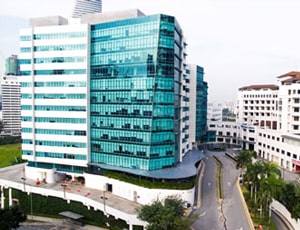
Parkway Pantai
Kuala Lumpur, Malaysia
Parkway Pantai located in Kuala Lumpur, Malaysia is accredited by JCI. Also listed below are some of the most prominent infrastructural details:
- Capacity of 335 beds
- 200+ specialist Doctors
- Critical Care Unit
- Neonatal Intensive Care Unit
- Operating Theatre
- International Patient Care Center
- Types of rooms available- Premier Suite, Supreme Suite, Deluxe Single Room, 2-bedded room, 4-bedded room, Deluxe Suite, Premier Single room, and Supreme Single room

Sunway Medical Centre
Kuala Lumpur, Malaysia
Sunway Medical Centre has initiated a comprehensive expansion plan close to its current hospital facility to enhance its ability to provide services to the global market. The new Cancer Radiosurgery Center and Nuclear Medicine Center, which will also house additional Centers of Excellence like the Digestive Health Center and Dialysis Center, marked the completion of Tower C's first phase in October 2016.

Ara Damansara Medical Centre
Kuala Lumpur, Malaysia
Situated at the junction of Petaling Jaya and Shah Alam, close to the Oasis Ara, Ara Damansara Medical Centre boasts a serene, luxurious ambiance.
The Centre has been awarded several prestigious awards such as the Global Health Asia Pacific Awards 2023, Newsweek Best Specialized Hospital APAC 2023, Healthcare Asia Awards 2023, and Malaysian Healthcare Wellness Excellence.
Our Services to better your experience
Opinion & Option
We submit the most accurate opinion and options from one or more countries for your review
Consult Privately
Consult with a certified specialist privately on our telemedicine platform even before you decide to travel
Logistics
We handle flights, visas, transfers, and accommodation—so you can focus on your health.
Recovery
Our In-house rehabilitation service packages to better your recovery and treatment outcome
Why Choose Malaysia for Hydrocephalus Treatment?
- Most Advanced Medical Centres have high-end machines and state-of-the-art technologies to deliver professional treatment services.
- World-Class Transplant Programs: High-volume hospitals are known to perform state-of-the-art, advanced kidney transplants with high success rates.
- Affordable Treatment: The care related to aplastic anemia in Malaysia is far less expensive than in other countries.
- Internationally Trained Doctors: Experts deliver personalised care with the latest medical advancements at their fingertips.
- Inclusive Assistance for Patients: Hospitals also offer Accommodation and Translation Assistance after Treatment.
Frequently Asked Questions
Yes, hydrocephalus can be treated using VP and endoscopic third ventriculostomy procedures. However, some patients may require a long recovery time and rehabilitation.
Malaysian hospitals use the latest technologies and experienced neurosurgeons for safe procedures.
Yes, several hospitals are providing excellent medical services to international patients.
Yes, well-established pediatric neurosurgery units treat babies and children suffering from Hydrocephalus.
You need to check them to determine if they have any problems walking, if they have trouble holding their urine, and if they have just started walking and have memory problems.
Untreated symptoms can develop over time and have a substantial adverse influence on a patient's quality of life, including increasing difficulties walking, cognitive issues, difficulty with complicated tasks, urinary incontinence, and mood swings;
The most likely course of treatment for them with hydrocephalus is surgery to install a shunt to prevent fluid accumulation inside their brain. To assist in avoiding any problems, you will usually need to do the following if they have a shunt:
- Adhere to your doctor's instructions after surgery. You should pay particular attention to areas of skin that have been stitched or stapled. Adequately caring for these regions can prevent infections and other problems.
- Steer clear of magnets if you can. This is not a need for all shunts because not all shunts use magnetically adjustable valves. If this is the situation for your parents, you can find out from your healthcare professional.
- Exercise caution when moving and doing things. Ensure your parents refrain from physical activity that can cause the shunt, inflow and outflow catheters, etc., to lose or harm them.
- Consult your provider as advised. Follow-up visits are crucial to help prevent problems from this illness. Through these appointments, your provider can monitor your parents' health and, if needed, modify their shunt.
- Be mindful of the symptoms. Inform your healthcare physician right away if you observe your parents exhibiting a recurrence of a hydrocephalus symptom. Recurring symptoms may be a sign of a shunt issue. The longer the symptoms continue and grow, the more likely they are to have complications.
- A full or bulging soft spot on top of your baby's head (fontanel)
- Bulging eyes and inability to look up when facing forward
- Visible scalp veins
- Irritability
- A baby with hydrocephalus has extra cerebrospinal fluid (CSF) around the brain, and its head may appear larger than usual.
- A healthcare professional may diagnose this condition during a pregnancy ultrasound.
Malaysia has become well-known for second medical opinions: expert specialists, state-of-the-art diagnostic resources, and most of all, low cost. Efficient international patient services have very short waiting times. Medigence provides this service worldwide. To know more, visit our website.

Reviewer

Dr Sonal Gupta
Neurosurgeon
29 Years of Experience
Dr. Sonal Gupta has an experienced neurosurgeon with more than 29+ years of clinical expertise. She is currently the Director, Neuro & Spine Surgery at Fortis Hospital, Shalimar Bagh. Before joining Fortis, she has been associated with various organizations such as Maharaja Agrasen Hospital, Action Balaji Hospital, and Max Hospital. View More
Last Reviewed - January 2026