Hip Dysplasia Treatment in India
- Top Accredited Hospitals
- Global Medical Standards
- Cutting-Edge Technology
- Proven Treatment Options
- High Success Rate
- Trusted by Millions

What is Hip Dysplasia?
Hip dysplasia arises when the bones in your hip joint do not fit correctly.
Most cases of hip dysplasia occur in infants and young children, but mild forms can also occur in adults. Doctors sometimes refer to hip dysplasia in newborns as congenital hip dysplasia or developmental dysplasia of the hip (DDH). All of these names sometimes refer to the condition.
What is the Importance of Timely Treatment?
The hip should be treated immediately to prevent joint damage, reduce pain, and maintain hip function. An improved quality of life and a reduced need for more invasive surgeries in the future can result from early intervention to prevent issues such as arthritis or joint dislocation.
What are the Common Symptoms of Hip Dysplasia?
There are few Common symptoms of hip dysplasia include
Hip Pain: Pain in the outer thigh, groin, or hip, especially while walking, standing, or sitting for a long time.
Stiffness: Being unable to move the hip joint easily or with freedom.
Limping: A limp is an abnormal gait, especially when running or walking.
Clicking or popping sounds: sounds in the hip joint during movement.
Instability: The feeling of the hip joint "giving way" or feeling unstable, especially during activities.
Causes and Risk Factors of Hip Dysplasia
Causes
Genetics: Hip dysplasia is more common in families with a history of the condition.
Abnormal development: A malformed or shallow hip socket may arise from the malformation of the hip joint in the pregnancy.
Pregnancy Positioning: Babies who are born breech, that is, feet or buttocks first, have a higher chance of hip dysplasia.
Risk Factors
- Gender
- Family History
- Breech Birth
- Firstborn Children
- Excessive Swaddling
Connect with our advisor for a PRIORITY response
Hip Dysplasia Prevention Tips
Hip dysplasia cannot always be avoided but can be decreased through early discovery and proper treatment. Appropriate prenatal care, tight swaddling, and placing babies on their tummies can also help.
Babies need early screening to treat problems promptly, especially if they have risk factors. Adults can also take control of hip health by keeping a healthy weight and attending regular check-ups. Hip dysplasia can be minimised by timely detection and adequate treatment.
Treatment options for Hip Dysplasia
Hip Dysplasia Treatment: Depending on its degree, hip dysplasia typically is managed through physical therapy, pain control, or surgery. In the worst cases, hip replacement or correctional surgery can improve the function of the joints.
Cost Start From USD 3000 - USD 5500Explore Options
Total-hip-replacement-bl: total hip replacement (THR) in hip dysplasia is to restore mobility and alleviate pain by replacing an artificial hip for the affected one. When conservative treatment fails or joint destruction is severe, it is usually recommended.
Cost Start From USD 9000 - USD 10500Explore Options
Osteotomy: With osteotomy to treat hip dysplasia, the hip bone is altered to enhance alignment and joint function; this is typically done on younger patients to delay or prevent hip replacement surgery.
Cost Start From USD 3500 - USD 4500Explore Options
- Clinical assessment:
Physical Examination: The healthcare professional looks for any obvious indication of joint pain or swelling around the hip region and any malformation near it, such as a limp or uneven leg length.
Range-of-motiontests: The physician estimates the range of motion by measuring how much the leg can twist, extend, or rotate. Hip mobility limitations, such as pain and restricted range of motion, commonly manifest as dysplasia symptoms.
Stability Tests: The Ortolani and Barlow tests are usually done in babies diagnosed with hip dysplasia to assess joint stability and detect dislocations. The FABER (Flexion, Abduction, External Rotation) test can be applied to adults to examine hip joint instability and pain.
- Imaging Tests:
X-rays are essential for detecting abnormal bone formation, misalignment, and joint space narrowing.
MRIScans: MRI can provide fine pictures of the soft tissues, including muscles, ligaments, and cartilage. This would allow medical practitioners to determine the extent of damage or degeneration to the hip joint.
Ultrasound: Neonates and early infants are often assessed for hip joint stability, and ultrasound is used to identify soft tissue injuries, fluid collection, and joint inflammation. It is beneficial for early diagnosis before the bones have entirely ossified.
- Other diagnostic:
Walking and Weight-Bearing Examination: This includes determining the degree to which the patient can bear their weight on the affected hip joint. A healthcare provider assesses signs of pain, inappropriate weight-bearing, or limping by observing the patient's posture and gait.
Hip dysplasia can affect muscle function and joint stability, so a balance test helps assess neuromuscular control. This is particularly crucial in adults because the illness can cause joint instability, discomfort, and impaired balance.
Physical therapy: Specific exercises to enhance joint stability, flexibility, and strength in the hip muscles.
Stretching: Mild stretches promote more significant movement and comfort by increasing hip flexibility and reducing stiffness.
StrengtheningExercises: To enhance support for the hip joint, focus on strengthening your glutes, core, and hip abductors.
Low-Impact Activities: Low-impact exercises that do not put a lot of stress on the hips, such as swimming or cycling, can keep you fit.
Posture and Gait Training: A physical therapist may guide posture and walking techniques to reduce hip stress and improve movement.
Pain Management Techniques: In rehabilitation, ultrasound and ice/heat therapy can help manage pain and swelling.
- Depending on the severity of the condition, your healthcare professional may prescribe medicine to help control your symptoms and support the treatment plan.
Instantly Connect with our Specialists


Hospitals for Hip Dysplasia in India

Wockhardt Hospital, Umrao
Mumbai, India
Wockhardt Hospital, Umrao located in Thane, India is accredited by NABH. Also listed below are some of the most prominent infrastructural details:
- A 14 story building houses this hospital and it has a 350 beds capacity.
- The hospital has a day care unit, dialysis unit, and digital documentation facility.
- Treatment packages are available at the hospital as are Diagnostic and therapeutic services.
- High end diagnostic services, 9 operation theatres and ICU facilities (24/7) are present.
- Nephrology, Urology, Oncology, Orthopaedics, Cardiology, and Neurology departments in the hospital are worth a mention.
- Minimal access surgery as well as Emergency & Trauma Surgery services are present in Wockhardt Umrao.
- Comprehensive health check up option is available at Wockhardt Umrao.
- It has all kinds of International patient care services including assistance for travel, transfer, accommodation and interpreters.

Manipal Hospital, Dwarka
Delhi, India
Manipal Hospital Dwarka is a leading multi-super speciality tertiary care hospital offering world-class, affordable, and accessible healthcare. Backed by renowned doctors, advanced technology, and global standards in clinical care, the hospital provides comprehensive preventive, diagnostic, and therapeutic services for all age groups. With 380 beds, 13 modular OTs, 118 critical care beds, and 24/7 emergency services, it combines excellence in patient care with innovations like AI, telemedicine, remote monitoring, and EMR—striving to become a fully digital, paperless hospital setting new standards in modern healthcare.

Dr. Rela Institute and Medical Centre
Chennai, India
The mega-structure of RIMC serves as a hospital as well as an educational institute. Hence, it offers a huge array of medical services and facilities to cater to the needs of its patients.
Fertility Services - RIMC specializes in both male and female fertility and in procedures like IntraCytoplasmic Sperm Injection (ICSI), Uterine Transplants, Preimplantation genetics and Laser Assisted Hatching (LAH).
Anaesthesia and ICU - The ICU rooms in RIMC are equipped to serve the individual needs of every patient. They boast the largest liver transplant ICU in India and a specific ICU dedicated to pediatrics multi-organ transplants.
Radiology and Imaging Sciences - RIMC has the infrastructure to support high-quality scans including 128 Slice CT, Cardiac MRI, and 3 Tesla MRIs.
Blood Bank and Transfusion Medicine - RIMC has an active blood bank system with facilities dedicated to Blood Component Separation and Therapy. They use high-end technology like the Automated 1H500 Analyser and have a separate Therapeutic Apheresis Unit.
Advanced Endoscopy - Dr. Rela Institute and Medical Centre has one of the most advanced hospital facilities with an individual healthcare unit specifically dedicated to Endoscopy. Advanced procedures like Spyglass Cholangioscopy, Laser therapy, Endoscopic Ultrasound, Capsule Endoscopy, and special ERCP and EUS Suite.
Some of the other healthcare facilities, departments, and services offered by Dr. Rela Institute and Medical Healthcare are listed below:
- Orthopaedics
- Obstetrics and Gynaecology
- Reproductive Medicine
- Hepatology
- Cardiology
- Internal Medicine and Diabetology
- Advanced Paediatrics
- Ear Nose and Throat
- Emergency Medicine
- Interventional Radiology and Imaging Services
- Neonatology
- Neurology
- Liver Disease and Transplantation
- Gastroenterology
- Medical Oncology
- Nephrology
- Neonatology
- Pathology
- Ophthalmology
- Plastic and Reconstructive Surgery
- Radiation Oncology
- Pulmonary Medicine
- Urology
- Surgical Oncology
- Transfusion Medicine
Apart from these facilities, Dr. Rela Institute and Medical Centre also have a preventive health check lounge, 72 consultation suites, and 360 degrees including lab facilities specifically for outpatients.
Visit Dr. Rela Institute and Medical Centre in Chromepet, Chennai today and find the best care for you and your loved ones.
Our Services to better your experience
Opinion & Option
We submit the most accurate opinion and options from one or more countries for your review
Consult Privately
Consult with a certified specialist privately on our telemedicine platform even before you decide to travel
Logistics
We handle flights, visas, transfers, and accommodation—so you can focus on your health.
Recovery
Our In-house rehabilitation service packages to better your recovery and treatment outcome
Why Choose India for Hip Dysplasia Treatment?
India has highly qualified orthopaedic doctors and state-of-the-art medical facilities at reasonable prices. Hip dysplasia treatment is highly sought after in the country. With modern technology, shorter waiting times than most Western nations, and hospitals approved by the Western world, patients can receive excellent care for a fraction of the cost.
Frequently Asked Questions
Depending on the seriousness of the disease and the symptoms a person is experiencing, hip dysplasia can indeed be treated non-surgically. Here are a few possibilities for non-surgical treatment:
Physical Therapy can provide exercises that strengthen the muscles surrounding the hip joint, lessen pain and increase flexibility.
Medication: Anti-inflammatory nonsteroidal medications may be prescribed to reduce pain and inflammation. Corticosteroid injections are sometimes used to treat more severe symptoms.
Weightloss reduces pressure on the hips, which might treat symptoms, especially when the cause is obesity.
Hip dysplasia surgery can be highly effective if done relatively early and depending on the degree of progression. Younger individuals can be less uncomfortable and avoid further damage by having the hip socket realigned using procedures such as periacetabular osteotomy (PAO). In much worse situations, total hip replacement (THR) significantly improves functions and reduces pain.
Hip dysplasia can affect any age group. It is commonly diagnosed in infants and treated with bracing. It may cause children to limp or have difficulty walking. It can occur later in young adults, necessitating surgeries like periacetabular osteotomy (PAO). If not treated, hip dysplasia in older individuals leads to arthritis, which is often treated with total hip replacement (THR).
Yes, hip dysplasia can cause arthritis to develop over time. The condition causes a shallow or improperly formed hip socket, which causes uneven wear on the cartilage. This additional stress on the cartilage may lead to degeneration, inflammation, and, finally, arthritis because the joint becomes unstable. This is common in individuals with decades of undiagnosed or poorly treated hip dysplasia.
Hip dysplasia can sometimes run in families. If one or more family members have the disorder, the chances of developing an increased hip joint are generally increased because of genetics; some inherited features may contribute to misalignment.
Hip dysplasia can impair mobility by causing pain, stiffness, and instability in the hip joint. The joint's misalignment causes abnormal cartilage wear and tear, resulting in a reduced range of motion and discomfort during movement. This can make walking, running, climbing stairs, or even sitting for long periods difficult.
Yes, hip dysplasia can be diagnosed in infants, usually during routine checks shortly after birth. Paediatricians use physical exams, including the Ortolani and Barlow tests, to check for hip instability. If there is a suspicion, an ultrasound may confirm the diagnosis. Early detection is essential because the condition can be effectively treated with non-invasive methods, like a Pavlik harness, if addressed in the first few months of life, preventing long-term complications.
Untreated hip dysplasia can cause long-term effects such as stiffness, arthritis, and chronic discomfort as the joint experiences abnormal wear and tear. Eventually, it can significantly reduce mobility by causing joint instability, resulting in limping or trouble moving. In extreme situations, untreated dysplasia can cause joint deformity, requiring more invasive procedures such as hip replacement. Therefore, early diagnosis and treatment are essential to avoid these problems.
Recovery time varies from procedure to procedure. Periacetabular osteotomy (PAO) is 6 to 12 months, crutches for the first 6 weeks and a gradual return to activity. Total Hip Replacement (THR) is typically 3 to 6 months for initial recovery, with complete healing and rehabilitation taking up to a year. Physiotherapy plays a crucial role in the strengthening and mobility processes during recovery.
Indeed, hip dysplasia may recur after treatment, especially if it is not fully resolved or if it is not treated early. In some cases, arthritis or instability can occur due to the continued deterioration of the hip joint over time. Adults with untreated or partially treated hip dysplasia when they were younger are more prone to this. However, with proper therapy, such as total hip replacement (THR) or periacetabular osteotomy (PAO), the risk of recurrence is significantly reduced, and most patients remain symptom-free in the long term.
Healthy weight maintenance to reduce joint stress, low-impact exercises such as swimming or cycling, and strengthening the hip muscles to increase stability can all be considered in managing hip dysplasia. Regular stretching, better posture and gait, and avoiding high-impact activities can also help control pain, prevent further problems, and enhance hip function.
Author

Dr. Shagufta Parveen
Dr. Shagufta Parveen is a Clinical researcher and medical writer with expertise in clinical pharmacology and pharmacotherapeutics. She holds a B.Pharm and Doctor of Pharmacy (Post-Baccalaureate) degree from Teerthanker Mahaveer University, Moradabad.
During her clinical stint at BLK-Max Super Speciality Hospital and Indraprastha Apollo Hospital, she gained hands-on experience in the Clinical Pharmacology Department. Combining scientific knowledge with strong medical writing skills, Dr. Shagufta develops evidence-based healthcare content, treatment guides, and patient education resources.
Her work focuses on simplifying complex medical concepts while maintaining scientific accuracy, helping readers better understand healthcare advancements and treatment options.
In addition to her writing expertise, she is actively involved in scientific research and has contributed to peer-reviewed publications.
Her research work is accessible through the following links:
https://scholar.google.com/citations?user=lMVK1eIAAAAJ&hl=en
https://carcinogenesis.com/index.php/JOC/article/view/870
https://carcinogenesis.com/index.php/JOC/article/view/868
https://wjpsronline.com/abstract/0000000760
View MoreReviewer
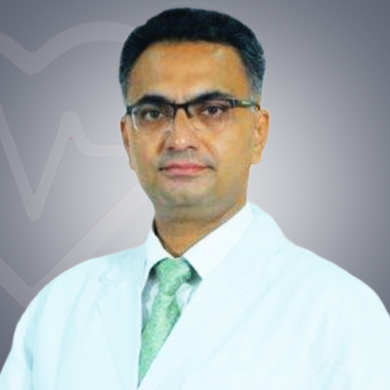
Dr. Puneet Mishra
Orthopaedic Surgeon
25 Years of Experience
Known among his patients for treating with compassion and personal care, Dr. Puneet Mishra is one of the best orthopedic surgeons in New Delhi. Dr. Puneet completed his MBBS from Maulana Azad Medical College in 1996 and from the same college he completed his MS (orthopedics) in 2000. With almost 25+ years of surgical experience under him, Dr. Pankaj takes pride in working with some of the finest medical institutions of the world such as University Hospital, Bern, Maulana Azad Medical College, New Delhi, Endoklinik, Germany, and Professor and Consultant orthopedician at Guru Teg Bahadur Hospital, New Delhi. View More
Last Reviewed - January 2026