Hepatomegaly (Enlarged Liver) Treatment in India
- Top Accredited Hospitals
- Global Medical Standards
- Cutting-Edge Technology
- Proven Treatment Options
- High Success Rate
- Trusted by Millions

What is Hepatomegaly?
Your liver is one of the vital organs you cannot live without. It is crucial in filtering contaminants from your blood and regulating cholesterol levels, among other essential functions. Due to its filtering role, the liver can be vulnerable to toxic overload. Excessive toxins or fats in your blood can lead to hepatitis, which is the inflammation of the liver.
Hepatomegaly, or an enlarged liver, occurs when the liver becomes abnormally large. This condition often indicates a more serious issue. Most commonly, it is associated with liver disease, which causes inflammation. However, it can also be linked to heart or blood disorders. You and your healthcare provider need to investigate and address the underlying cause.
What is the Importance of Timely Treatment?
Hepatomegaly, an enlarged liver, requires immediate treatment to prevent further liver damage and complications. By monitoring the root cause—whether it be infections, liver disease, or metabolic disorders—early intervention can help avert the progression to more serious conditions like liver cancer, liver failure, or cirrhosis. Appropriate care can enhance overall liver function and health while alleviating pain, discomfort, and jaundice.
What are the Common Symptoms of Hepatomegaly?
The following are typical signs of hepatomegaly or an enlarged liver:
- Discomfort or soreness in the abdomen, particularly in the upper right section
- Jaundice (eye and skin yellowing)
- Weariness or a sense of exhaustion
- Unaccounted-for weight loss
- Vomiting or feeling queasy
- Appetite loss
- Abdominal swelling or bloating
- Light-colored stools or dark urine
Causes and Risk Factors of Hepatomegaly
Causes
Hepatomegaly, or an enlarged liver, can result from several factors:
- Liver diseases such as cirrhosis, alcoholic or viral hepatitis, and fatty liver disease (NAFLD or NASH).
- Viruses cause infections like hepatitis, malaria, and mononucleosis.
- Exposure to toxins, including harmful substances, drug overdoses, and excessive alcohol consumption.
- Cardiac issues, particularly right-sided heart failure and general heart failure.
- Metabolic disorders such as hemochromatosis, Wilson's disease, and glycogen storage diseases.
- Cancer, which may involve metastases from other cancers or primary liver cancer.
- A genetic condition known as alpha-1 antitrypsin deficiency.
Risk Factors
There are many risk factors for Hematomegaly, including:
- Excessive consumption of alcohol
- Metabolic syndrome and obesity
- Infections with viral hepatitis
- Genetic predispositions (liver disease in the family)
- Diabetes or elevated cholesterol
- Gender and age (more prevalent among men)
Connect with our advisor for a PRIORITY response
Hepatomegaly Prevention Tips
To help prevent hepatomegaly or an enlarged liver, consider the following tips:
- Limit alcohol consumption: Avoid excessive drinking to protect your liver from damage.
- Manage your weight: Maintain a balanced diet and exercise regularly to prevent obesity and fatty liver disease.
- Eat a healthy diet: Focus on a diet low in fats and sugars while rich in fruits, vegetables, and whole grains.
- Get vaccinated against hepatitis: Protect yourself from liver diseases by getting vaccinated for hepatitis A and B.
- Avoid toxins: Minimize exposure to harmful substances and medications that could impact your liver.
- Manage chronic conditions: Keep high blood pressure, high cholesterol, and diabetes under control to reduce stress on the liver.
- Schedule regular check-ups: Visit your doctor regularly for liver function tests, especially if you have risk factors.
Treatment options for Hepatomegaly (Enlarged Liver)
Liver transplant: A liver transplant is a procedure where a healthy liver from another person replaces a damaged liver. It is possible to transplant an entire liver. It is also possible to receive a liver transplant from someone else.
Cost Start From USD 25000 - USD 35000Explore Options
- Clinical assessment:
- Physical Examination: A clinician may feel the abdomen to check for liver enlargement and assess pain.
- Blood tests include diagnostics for metabolic or genetic diseases, viral hepatitis screening, and liver function tests (LFTs).
- Imaging Tests:
- Ultrasound: A popular imaging technique used to see the size and structure of the liver and find anomalies.
- CT scan or MRI can provide precise images of the liver, helping to identify underlying problems such as malignancies or fatty liver.
- LiverBiopsy: In certain situations, a biopsy may be performed to examine liver tissue and determine the cause of liver enlargement (cirrhosis, hepatitis, etc.).
- Endoscopy: Used to look for bleeding or varices, which are symptoms of liver disease complications.
MediRehab (chain of Rehab centres - Part of MediGence) provides comprehensive rehabilitation services designed to support Hematomegaly patients in India. These services include:
- Lifestyle Modification:
- Dietary Changes: Transition to a nutritious, well-balanced diet rich in fruits, vegetables, and whole grains while minimising fats and sugars. Reduce processed foods and avoid alcohol.
- Exercise: Regular, moderate exercise can boost overall health and reduce liver fat accumulation.
- Depending on the situation, your healthcare professional may prescribe medicine to help control your symptoms and support the treatment plan.
Instantly Connect with our Specialists


Hospitals for Hepatomegaly (Enlarged Liver) in India

BLK-Max Super Speciality Hospital
Delhi, India
BLK-Max Super Speciality Hospital, located in New Delhi, is the leading best-in-class healthcare institution in India, providing tertiary and quaternary care. 650 + beds including 162 critical care beds, 22 OTs with 1,500+ clinical professionals allied to health are at the hospital's disposal. JCI, NABH, and NABL accredited. The hospitals are a leader in transplants, cancer care, and robotic surgery education and implementation. Established in1959 by Dr. B.L. Kapur, the hospital combines state-of-the-art technology with patient-centric values including compassion, efficiency, and consistency.
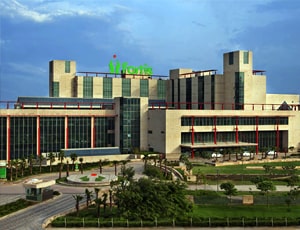
Fortis Memorial Research Institute
Gurgaon, India
Fortis Healthcare Limited stands as one of India's largest integrated healthcare providers, managing 33 hospitals across 11 states and operating more than 5,700 beds and 400 diagnostic labs. Four of our hospitals are accredited by JCI and 26 by NABH. With a workforce of over 12,500 healthcare professionals, we combine clinical excellence, a patient-focused approach, and innovation to provide high-quality, affordable, and compassionate healthcare to patients in India.

Apollo Hospital International Limited
Ahmedabad, India
Apollo Hospital International Limited located in Ahmedabad, India is accredited by JCI, NABH. Also listed below are some of the most prominent infrastructural details:
- Hospital with 234 bed capacity
- Credit for doing the autologous stem cell transplant when a patient has acute myeloid Leukemia
- Regular transplants of cell and bone marrow
- A 1.5 Tesla MRI scan is available, only healthcare organisation in Gujarat with this option
- Success percentage of 90 when critical oncology procedures are done
- Diagnostics such as Blood Tests, X-Ray, Echo and Cardiac related tests
- International Patient Care related facilities: Accommodation, Airport Transfer, Meals per choice, Interpreter, SIM, TV inside room
- Excellent line up of doctors, surgeons and healthcare professionals such as nurses, technicians
Our Services to better your experience
Opinion & Option
We submit the most accurate opinion and options from one or more countries for your review
Consult Privately
Consult with a certified specialist privately on our telemedicine platform even before you decide to travel
Logistics
We handle flights, visas, transfers, and accommodation—so you can focus on your health.
Recovery
Our In-house rehabilitation service packages to better your recovery and treatment outcome
Why Choose India for Hematomegaly Treatment?
There are several advantages to treating hepatomegaly in India:
World-Class Medical Facilities: India boasts renowned medical institutions with advanced technologies for testing and treating liver diseases.
Skilled Medical Professionals: Several highly qualified hepatology and gastroenterology specialists are available to manage hepatomegaly and related conditions.
Cost-Effective Care: Medical treatment in India is significantly more affordable than in many Western countries without compromising quality.
Comprehensive Care: India offers a wide range of services, including medication, nutritional support, lifestyle management, and advanced medical procedures, such as liver transplants, when necessary.
Frequently Asked Questions
Yes, hepatomegaly, or an enlarged liver, can be harmful if left untreated. It might be a sign of an infection, heart failure, or liver disease. Ignoring the cause may result in serious side effects, such as liver cirrhosis, liver failure, or liver cancer. Early identification and treatment are essential to managing the illness and avoiding long-term harm.
If left untreated, hepatomegaly (enlarged liver) can lead to several complications, including:
Chronic liver damage, which can cause scarring and impair liver function, is referred to as hepatic cirrhosis.
Liver Failure: Severe damage to the liver that may require a transplant.
Liver Cancer: An increased risk of developing primary liver cancer, particularly in those with chronic liver disease.
Ascites: The buildup of fluid in the abdomen due to liver issues.
Varices: Enlarged blood vessels in the stomach or oesophagus that can result in life-threatening bleeding.
Infections: A compromised liver can make it harder to fend off infections.
Jaundice: A yellowing of the skin and eyes due to the liver's inability to process bilirubin effectively.
Non-alcoholic fatty liver disease (NAFLD) is the primary way obesity leads to hepatomegaly. Fat buildup in liver cells occurs due to excess body fat, especially around the abdomen. This fat accumulation can result in inflammation and damage to liver cells, potentially progressing to more serious conditions such as cirrhosis, liver failure, and non-alcoholic steatohepatitis (NASH). Maintaining a healthy weight through diet and exercise can help prevent and manage hepatomegaly.
If the underlying cause is not addressed, liver failure can result from hepatomegaly (an enlarged liver). Chronic liver damage from conditions like viral hepatitis, fatty liver disease, or cirrhosis can gradually impair liver function. Over time, this damage may lead to liver failure, in which the liver can no longer perform essential functions such as producing proteins, filtering blood, and helping digestion. Early detection and treatment of hepatomegaly are crucial to prevent this progression.
Maintaining a healthy lifestyle is essential for managing hepatomegaly or an enlarged liver. This includes following a balanced diet rich in fruits, vegetables, and lean proteins while reducing fats and carbohydrates. Improving liver function can also be achieved by managing underlying conditions such as diabetes and high cholesterol, exercising regularly, avoiding excessive alcohol consumption, and keeping a healthy weight.
Yes, adopting a healthy lifestyle can help prevent hepatomegaly, which is an enlarged liver. This includes keeping a healthy weight, managing blood sugar and cholesterol levels, eating a balanced diet, exercising regularly, and limiting alcohol intake. Additionally, protecting your liver means steering clear of harmful chemicals and getting vaccinated to prevent liver infections.
Surgery is usually not needed to treat hepatomegaly or an enlarged liver. Treatment generally aims at managing the underlying cause, which could involve avoiding alcohol, controlling weight, or managing liver disease. In severe cases where the liver is irreparably damaged, such as in cirrhosis or liver failure, a liver transplant may be necessary. While surgery is not often the first option, it can be considered in cases of severe liver disease.
Author

Alvina Hasan
Alvina Hasan is a dedicated medical researcher and scientific writer with a strong foundation in pharmaceutical sciences. She holds a B.Pharm from Jamia Hamdard University and an M.Pharm in Quality Assurance from DIPSAR University.
With deep medical expertise and a strong interest in healthcare communication, she focuses on transforming complex clinical and scientific information into clear, engaging, and easy-to-understand narratives. She develops insightful healthcare articles and research-driven content designed to support both medical professionals and patients, helping bridge the gap between advanced medical knowledge and practical understanding.
Readers can explore her published research and articles here:
https://carcinogenesis.com/index.php/JOC/article/view/868
https://carcinogenesis.com/index.php/JOC/article/view/870
View MoreReviewer

Dr. Akash Khandelwal
Hematologist
9 Years of Experience
Dr. Akash Khandelwal is a distinguished Hematologist, Hemato-oncologist, and Bone Marrow Transplant (BMT) Physician with extensive training from the prestigious AIIMS New Delhi. His expertise encompasses a wide range of specialized techniques in bone marrow transplantation, including autologous and allogeneic transplants such as matched sibling donors, matched unrelated donors (MUD), and haploidentical donor transplants. Dr. Khandelwal has personally supervised and conducted over 100 bone marrow transplants. View More
Last Reviewed - January 2026