Gastroesophageal Reflux Disease (GERD) Treatment in India
- Top Accredited Hospitals
- Global Medical Standards
- Cutting-Edge Technology
- Proven Treatment Options
- High Success Rate
- Trusted by Millions

What is Gastroesophageal Reflux Disease (GERD)?
Gastroesophageal reflux disease is abbreviated as GERD. Depending on where you are, it can be spelt GORD for gastro-oesophageal reflux disease. Chronic acid reflux disease of the oesophagus is abbreviated as GERD. You have acid reflux at least two times a week for several weeks, and then it's chronic.
Temporary causes can produce temporary acid reflux, but GERD is an ongoing mechanical problem. It signals a problem in the mechanisms designed to keep acid out of the oesophagus.
Acid reflux occurs in many people periodically. Acid reflux may lead to GERD if it reoccurs occasionally.
What is the Importance of Timely Treatment?
It is crucial to treat the condition early to prevent GERD (gastric reflux disease) from worsening and causing damage to the oesophagus, such as ulcers, bleeding, or narrowing (strictures). Untreated GERD may lead to more severe conditions, such as Barrett's oesophagus or oesophagal cancer. Early treatment manages symptoms, improves quality of life, and guards the oesophagus and other parts of the digestive system against permanent damage. Moreover, it facilitates faster recovery, reduces pain, and renders more invasive procedures obsolete in the future.
What are the Common Symptoms of Gastroesophageal Reflux Disease (GERD)?
Common symptoms of GERD are:
- Heartburn is a burning sensation in the chest. It typically occurs after eating and may worsen at night or when lying down.
- Meal or sour liquid backwash in the throat.
- Chest or upper abdomen pain.
- Difficulty swallowing is called dysphagia.
- A lump in the throat is seen.
Causes and Risk Factors of Gastroesophageal Reflux Disease (GERD)
Causes
- Weak Lower Esophageal Sphincter (LES): The stomach acid may flow back into the oesophagus if it relaxes or weakens as a muscle separating the stomach from the oesophagus.
- A hiatal hernia may impair the function of the LES when part of the stomach protrudes through the diaphragm and into the chest.
- Excess weight puts additional pressure on the abdomen, forcing stomach acid into the oesophagus.
- Acid reflux can happen during pregnancy because of hormonal fluctuations and pressure on the stomach.
- Smoking disrupts the saliva function, which aids in neutralising stomach acid and relaxes the LES.
Risk Factors
The following are risk factors for gastroesophageal reflux disease or GERD:
- Pregnancy and Obesity
- The Hiatal Hernia
- Smoking, Diet
- Medications
- Age and Family Background
- delayed Emptying of the Stomach
Connect with our advisor for a PRIORITY response
Gastroesophageal Reflux Disease (GERD) Prevention Tips
The following advice can help avoid gastroesophageal reflux disease or GERD:
- To avoid GERD, it is essential to maintain a healthy weight. Excess weight may increase pressure in the abdomen, leading to acid reflux.
- Avoid trigger foods such as chocolate, caffeine, alcohol, citrus fruits, and spicy, fatty, and acidic foods.
- To have proper digestion, at least two to three hours should elapse after having food before retiring to bed.
- You can prevent acid from returning to your oesophagus while sleeping by elevating the head of your bed.
- Since smoking and alcohol consumption relax the lower oesophagal sphincter (LES), these habits need to be eliminated.
- Lastly, GERD symptoms can be minimised by employing relaxation techniques to cope with stress.
Treatment options for Gastroesophageal Reflux Disease (GERD)
Gastric Bypass: By reducing the production of stomach acid and abdominal pressure, gastric bypass surgery may benefit GERD sufferers, often relieving symptoms. When other therapies fail, it is typically considered in obese patients with severe GERD.
Cost Start From USD 6000 - USD 8000Explore Options
- Clinical assessment:
- A PhysicalExamination is performed to look for signs of issues, such as belly pain, swelling, or weight loss.
- Imaging Tests:
- Upper Endoscopy (EGD): An upper endoscopy involves using a flexible tube with a camera to search for injury, such as ulcers or inflammation, in the stomach and oesophagus.
- Ambulatory 24-hour pH Monitoring: This test monitors the acid level in the oesophagus for 24 hours to determine if acid reflux occurs.
- Esophageal Manometry: A procedure that measures the functioning and pressure of the oesophagal muscles and lower oesophagal sphincter (LES).
MediRehab (chain of Rehab centres - Part of MediGence) provides comprehensive rehabilitation services designed to support Gastro-oesophageal reflux disease patients in India. These services include:
DietaryModifications: A registered dietitian can provide a meal plan that avoids irritants such as chocolate, coffee, alcohol, and spicy, fatty, or acidic foods.
Weight reduction: Because obesity increases intra-abdominal pressure, losing excess weight through exercise and good nutrition will significantly reduce GERD symptoms.
Physical therapy: Postural and diaphragmatic breathing exercises can reduce reflux attacks and enhance digestion.
- Depending on the situation, your healthcare professional may prescribe medicine to help control your symptoms and support the treatment plan.
Instantly Connect with our Specialists


Hospitals for Gastroesophageal Reflux Disease (GERD) in India
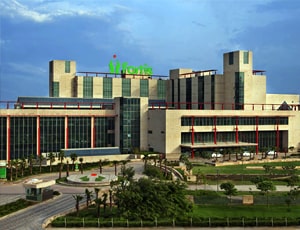
Fortis Memorial Research Institute
Gurgaon, India
Fortis Healthcare Limited stands as one of India's largest integrated healthcare providers, managing 33 hospitals across 11 states and operating more than 5,700 beds and 400 diagnostic labs. Four of our hospitals are accredited by JCI and 26 by NABH. With a workforce of over 12,500 healthcare professionals, we combine clinical excellence, a patient-focused approach, and innovation to provide high-quality, affordable, and compassionate healthcare to patients in India.
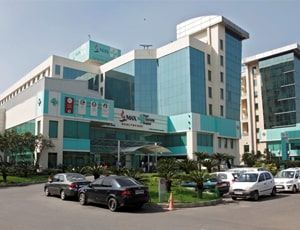
Max Super Speciality Hospital, Saket
Delhi, India
Max Smart Super Speciality Hospital, Saket, is a 250-bed tertiary care hospital awarded NABH accreditation, which provides advanced medical care in various specialities such as Cardiac Sciences, Orthopaedics, Neurology, Urology, Kidney Transplant, Paediatrics, and Obstetrics & Gynaecology. The hospital provides quality, safe, integrated, and patient-centric medical care using modular OTs, ICUs, Cath Labs, CT, MRI and Dialysis units.

Manipal Hospital, Hebbal
Bangalore, India
Manipal Hospitals, a group of Manipal Education Medical Group, is India’s leading multi-speciality network, comprising over 650 beds. Dedicated to clinical excellence, patient-centric care and ethical practices, it provides sophisticated diagnostics, surgery and home care services to both domestic and international patients, while also improving access to affordable healthcare for underprivileged communities.
Our Services to better your experience
Opinion & Option
We submit the most accurate opinion and options from one or more countries for your review
Consult Privately
Consult with a certified specialist privately on our telemedicine platform even before you decide to travel
Logistics
We handle flights, visas, transfers, and accommodation—so you can focus on your health.
Recovery
Our In-house rehabilitation service packages to better your recovery and treatment outcome
Why Choose India for Gastroesophageal Reflux Disease (GERD) Treatment?
India's advanced healthcare infrastructure, well-trained medical specialists, and affordable medical care make it a first-rate destination for GERD treatment. The country offers access to state-of-the-art medical centres with the latest diagnostic technology and therapeutic options, including medicine, lifestyle modification, and minimally invasive surgery.
Frequently Asked Questions
GERD can cause chest pain, often described as a burning sensation behind the breastbone. This occurs when stomach acid irritates the oesophagus, causing discomfort. It's important to differentiate between the two since the pain may sometimes mimic the symptoms of a heart attack.
Yes, if left untreated, GERD can lead to several issues, including strictures, esophagitis, and ulcers of the oesophagus. It may also increase the risk of Barrett's oesophagus, which can develop into oesophagal cancer. Also, due to acid exposure, GERD may cause tooth decay and respiratory conditions like asthma or a chronic cough. To prevent these medical issues, early treatment is required.
The severity of GERD and the treatment plan decide the time to heal. In some weeks, numerous individuals feel well after undergoing proper treatment, such as dietary changes, medication, and lifestyle modification. However, in some cases, it may take months to recover. Long-term therapy may be required in some cases, especially if GERD is severe or chronic. In India, Recovery may be longer when surgery is necessary; it takes one to two months to heal completely.
Lifestyle changes can significantly help control GERD. These include consuming smaller meals, avoiding foods that trigger symptoms, such as hot or fatty foods, and not lying down immediately after a meal. Avoiding alcohol and caffeine, quitting smoking, and keeping to a healthy weight can also alleviate symptoms.
Loose-fitting clothing, lifting the bed head, and relaxation techniques to cope with stress can also help control GERD. Chewing gum can also help neutralise acid by stimulating saliva production. Combining these changes with medical guidance can make GERD management more effective.
When medication and lifestyle modification fail to control GERD, surgery is typically considered. The most popular two options are the LINX procedure, which uses a magnetic ring to help the LES remain closed, and fundoplication, which reinforces the LES. In some cases, bariatric surgery or gastric bypass might also alleviate GERD symptoms by facilitating weight loss, which reduces reflux and intra-abdominal pressure. Surgery is typically only done in the most critical cases or if complications occur.
Yes, GERD is common during pregnancy due to the pressure exerted by the growing uterus on the stomach, hormonal fluctuations, and significantly elevated progesterone, which relaxes the lower oesophagal sphincter (LES). These factors make reflux frequent during pregnancy, often worsening during the second and third trimesters. Although safe medications and lifestyle changes are typically employed to treat GERD during pregnancy, it's essential to consult a healthcare provider.
Yes, dysphagia, or difficulty swallowing, is a sign of GERD. Swallowing may be painful or difficult if stomach acid repeatedly irritates the oesophagus, leading to inflammation, tightening, or strictures (scar tissue).
To prevent GERD flare-ups, have small, frequent meals and avoid trigger foods such as spicy, fatty, and acidic foods. Do not eat before lying down, and maintain a normal weight to decrease stomach pressure. Stress reduction, smoking cessation, and elevating the head of your bed may also alleviate symptoms. Wearing loose clothing and adhering to prescription medication may also be helpful.

Reviewer

Dr. Ashish George
Gastroenterologist
18 Years of Experience
Dr. Ashish George is one of the leading names in HPB surgery & liver transplantation and has about 18+ years of experience.He is a principal consultant & unit head of liver transplant at Fortis Shalimar Bagh. View More
Last Reviewed - January 2026