Gallstone Pancreatitis Treatment in Turkey
- Top Accredited Hospitals
- Global Medical Standards
- Cutting-Edge Technology
- Proven Treatment Options
- High Success Rate
- Trusted by Millions

What is Gallstone Pancreatitis?
Gallstone pancreatitis is acute inflammation of the pancreas caused by a gallstone temporarily or persistently obstructing the normal flow of bile and pancreatic secretions, usually near the lower end of the common bile duct. Gallstones are one of the most common causes of acute pancreatitis. The stone may pass into the intestine on its own, but persistent obstruction can contribute to ongoing inflammation and, in some patients, complications such as pancreatic necrosis, infection, fluid collections, or organ failure.
What is the Importance of Timely Treatment?
Timely treatment is important because acute pancreatitis can range from a mild, self-limited illness to severe disease associated with persistent organ failure and local complications. Early assessment helps determine the cause, severity, hydration status, presence of bile-duct obstruction or cholangitis, and risk of complications. Patients with mild gallstone pancreatitis are generally recommended to undergo gallbladder removal during the same hospital admission to reduce the risk of recurrent biliary attacks and pancreatitis.
What are the Common Symptoms of Gallstone Pancreatitis?
- Sudden, severe pain in the upper abdomen
- Pain that may radiate to the back
- Persistent abdominal pain that may worsen after eating
- Nausea and vomiting
- Abdominal tenderness
- Abdominal bloating or distension
- Fever
- Rapid heart rate
- Reduced appetite
- Weakness or feeling unwell
- Jaundice when there is associated bile-duct obstruction
- Chills or other signs of biliary infection in complicated cases
Causes and Risk Factors of Gallstone Pancreatitis
Causes
- Gallstone entering and obstructing the common bile duct or the area where the bile and pancreatic ducts drain
- Temporary passage of a gallstone through the biliary outlet
- Persistent common bile-duct obstruction
- Biliary sludge or microlithiasis in selected cases
- Gallstone-related obstruction associated with bile-duct inflammation or infection
Risk Factors
- Gallstones or previous biliary colic
- Previous gallstone pancreatitis
- Female sex
- Increasing age
- Overweight or obesity
- Rapid weight loss
- Pregnancy or increased estrogen exposure
- Family history of gallstones
- Diabetes and metabolic disorders
- Certain blood disorders associated with pigment stones
- Conditions affecting gallbladder emptying or bile composition
- Previous gallbladder disease
Latest Research and Technologies in the Treatment of Gallstone Pancreatitis in Turkey
- Hospitals in Turkey may offer modern diagnostic and treatment options for gallstone pancreatitis, depending on their facilities and specialist expertise. Abdominal ultrasound commonly identifies gallstones, while magnetic resonance cholangiopancreatography (MRCP) and endoscopic ultrasound (EUS) can detect bile duct stones when further evaluation is needed. Treatment may also include laparoscopic gallbladder removal to reduce the risk of recurrence, usually during the same hospital admission for mild cases. For severe pancreatitis with complications, selected patients may require specialist intensive care and minimally invasive, stepwise procedures to manage infected or persistent fluid collections. The treatment plan depends on the severity of the condition and the patient’s overall health.
Treatment options for Gallstone Pancreatitis
Management of Bile-Duct Obstruction : If a gallstone remains lodged in the common bile duct and causes persistent obstruction or cholangitis, endoscopic treatment may be required. ERCP allows specialists to access the bile duct and remove an obstructing stone. In patients without cholangitis or clear ongoing obstruction, routine ERCP is generally avoided.
Laparoscopic Cholecystectomy : Patients with mild gallstone pancreatitis are generally advised to undergo laparoscopic removal of the gallbladder during the same hospital admission once clinically appropriate. Removing the gallbladder reduces the risk of recurrent gallstone pancreatitis and other biliary complications.
Cost Start From 3250Explore Options
- Clinical assessment:
- Medical and Symptom History: Evaluation includes the onset, location, severity, and duration of abdominal pain, radiation to the back, nausea or vomiting, fever, jaundice, previous gallstone attacks, alcohol intake, medications, previous pancreatitis, metabolic conditions, and other potential causes of pancreatic inflammation.
- Physical Examination: The clinician assesses abdominal tenderness, guarding, distension, fever, heart rate, blood pressure, hydration status, jaundice, respiratory status, and other findings that may indicate systemic inflammation or organ dysfunction.
- Pancreatic and Laboratory Assessment: Blood tests commonly include serum lipase, complete blood count, liver enzymes, bilirubin, kidney function, electrolytes, glucose, and other tests based on the clinical situation.
- Severity and Organ-Function Assessment: Patients are assessed for systemic inflammatory response, persistent organ dysfunction, dehydration, kidney injury, respiratory problems, hypotension, altered mental status, and other features associated with severe pancreatitis.
- Assessment for Biliary Obstruction: Liver tests, bilirubin, clinical findings, and imaging are used to determine whether a stone may still be present in the common bile duct.
- Imaging Tests:
- Abdominal Ultrasound: Usually performed to look for gallstones, gallbladder disease, and biliary dilation. Ultrasound is particularly useful for identifying the gallstone cause of acute pancreatitis.
- CT Scan: Contrast-enhanced CT may be used when the diagnosis is uncertain, the patient fails to improve after approximately 48–72 hours, or complications such as necrosis or fluid collections need evaluation.
- MRI/MRCP: Magnetic resonance imaging and MRCP may provide additional assessment of the pancreas, bile ducts, and possible common bile-duct stones when clinically indicated.
- Endoscopic Ultrasound (EUS): EUS may be useful when a small common bile-duct stone or microlithiasis is suspected despite inconclusive initial imaging.
- ERCP: ERCP is primarily a therapeutic procedure rather than a routine diagnostic test in acute gallstone pancreatitis. It may be required when there is acute cholangitis or persistent biliary obstruction requiring stone removal.
MediRehab (a chain of Rehab centres, part of MediGence) provides comprehensive tele-rehabilitation services designed to support patients with Gallstone Pancreatitis in Turkey. These Services include:
- Early Mobilisation: Gentle movement and walking are generally encouraged as the patient's pain, hydration, and overall condition improve, unless complications require bed rest or intensive monitoring.
- Gradual Activity Progression: Physical activity can be increased progressively according to symptoms, pancreatic recovery, nutritional status, and medical advice.
- Postoperative Recovery: Patients undergoing laparoscopic cholecystectomy should follow guidance regarding incision care, pain management, activity progression, and lifting restrictions.
- Medication treatment for gallstone pancreatitis mainly supports recovery and manages complications rather than directly curing the pancreatic inflammation. Treatment may include intravenous fluids, pain-relieving medicines, antiemetics for nausea and vomiting, and correction of electrolyte or metabolic abnormalities as needed. Antibiotics are not routinely recommended for uncomplicated acute pancreatitis or sterile pancreatic necrosis and are generally reserved for suspected or confirmed infection, particularly infected pancreatic necrosis or associated biliary infection.
Instantly Connect with our Specialists


Hospitals for Gallstone Pancreatitis in Turkey

Medipol Bahçelievler Hospital
Istanbul, Turkey
Medipol Bahcelievler Hospital is a medical institution providing a full range of medical and individualized approaches to its patients. Medipol has the ambition to bring high quality and maximum security to people in need by employing state-of-the-art technologies in medicine. They ensure that the health of the patients is improved by fashioning unique physician specialty treatment programs.
Medipol Bahcelievler Hospital provides an exceptional position in the healthcare industry with a policy of clear communication, professionalism, and reliability to patient expectations. Medipol Bahçelievler Hospital is situated in the European Side of Istanbul, dedicated to 24-hour health care for you and your loved ones, equipped with a fully functional operation theatre and ICUs with state-of-the-art equipment, laboratory, emergency, and advanced treatment rooms
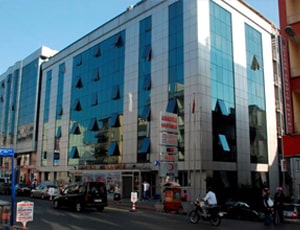
Eregli Anadolu Hospital
Zonguldak, Turkey
Apart from in-detail treatment procedures available, Eregli Anadolu Hospital located in Zonguldak, Turkey has a wide variety of facilities available for International Patients. Some of the facilities which are provided by them are Accommodation, Airport Transfer, Choice of Meals, Interpreter, SIM, TV inside room. Also listed below are some of the most prominent infrastructural details:
- Latest cutting edge technology applied in the diagnostic and medical treatment equipment and processes.
- Complex and critical conditions have been treated by the hospital over time.
- Inbuilt area is 9000 square meters
- 130 inpatient bed capacity
- 30 physicians working in the hospital
- A number of polyclinics
- Diagnostic facilities such as with imaging, sleep labs, biochemistry labs
- Emergency rooms available
- Intensive care units for critical cases
- Operation theatres with latest facilities

Baskent University Istanbul Hospital
Istanbul, Turkey
Baskent University Istanbul Hospital located in Istanbul, Turkey is accredited by ISO. Also listed below are some of the most prominent infrastructural details:
- 13.000 square meters indoor area
- Aesthetically designed Inpatient rooms
- Latest healthcare equipments
- 105 bed capacity
- 5 operating rooms
- 38 bed capacity in the Intensive Care Unit
- 609 healthcare personnel and healthcare professors
- Translation services for International patients
Our Services to better your experience
Opinion & Option
We submit the most accurate opinion and options from one or more countries for your review
Consult Privately
Consult with a certified specialist privately on our telemedicine platform even before you decide to travel
Logistics
We handle flights, visas, transfers, and accommodation—so you can focus on your health.
Recovery
Our In-house rehabilitation service packages to better your recovery and treatment outcome
Why Choose Turkey for Gallstone Pancreatitis Treatment?
- Experienced Gastroenterology and Hepatobiliary Specialists: Turkey hospitals have gastroenterologists, gastrointestinal surgeons, and hepatobiliary specialists experienced in managing gallstone pancreatitis and associated biliary conditions.
- Advanced Diagnostic Facilities: Many centres provide ultrasound, CT, MRI/MRCP, endoscopic ultrasound, laboratory testing, and other investigations required to assess pancreatic inflammation and bile-duct obstruction.
- Advanced Endoscopic and Surgical Care: Appropriate patients may have access to ERCP for bile-duct stone removal and laparoscopic cholecystectomy for definitive treatment of gallstone disease.
- Critical and Multidisciplinary Care: Patients with severe pancreatitis may require intensive care, nutritional support, interventional radiology, endoscopy, surgery, and multidisciplinary management of pancreatic necrosis or other complications.
- International Patient Support: Major Turkey hospitals may provide medical-record review, specialist coordination, treatment scheduling, travel assistance, accommodation support, and postoperative follow-up for international patients.
Frequently Asked Questions

Reviewer

Dr. Pradeep Jain
General & Laparoscopic Surgeon
33 Years of Experience
Dr. Pradeep Jain has completed his MBBS, MS - General Surgery, MCh - Surgical Gastroenterology/G.I. Surgery, and MCh - Surgical Oncology. He is a GastroIntestinal Surgeon, General Surgeon, Surgical Oncologist, Bariatric Surgeon par excellence with total experience of 36 years of which about 33+ years have been as a specialist View More
Last Reviewed - January 2026