Fetal Distress Treatment in India
- Top Accredited Hospitals
- Global Medical Standards
- Cutting-Edge Technology
- Proven Treatment Options
- High Success Rate
- Trusted by Millions

What is Fetal Distress?
Fetal distress is a condition in which the fetus exhibits signs of distress during late pregnancy or childbirth. The majority of healthcare clinicians now use the term non-reassuring fetal state (NRFS) instead of fetal distress. The fetus may display indications of distress for a variety of causes, including labor, drug reactions, or problems with the umbilical cord or placenta. Fetal discomfort can be risky and result in issues for both you and the fetus.
What is the Importance of Timely Treatment?
Timely treatment of fetal distress is essential for avoiding serious issues for both the infant and the mother. Early detection and management can help address underlying problems such as oxygen deprivation or umbilical cord difficulties, reducing the chance of brain impairment, organ damage, or miscarriage. Immediate medical assistance, such as altering the mother's position, administering oxygen, or conducting a cesarean section, increases the likelihood of a healthy outcome for both the mother and the infant.
What are the Common Symptoms of Fetal Distress?
Common symptoms of fetal distress are:
- Abnormal fetal heart rate (either too quick or too slow)
- Reduced fetal movement
- Meconium-stained amniotic fluid
- Abnormalities in uterine contractions
- Changes in the mother's blood pressure and oxygen levels
- The mother experiences severe stomach pain or discomfort.
Causes, Risk Factors and Complications of Fetal Distress
Causes
The most prevalent cause of fetal discomfort is a lack of oxygen. The fetus receives oxygen from you. You breathe oxygen into your lungs, and your blood transports it to the placenta. It is passed to the placenta and then into the fetus' blood. Anything that stops this process may cause fetal discomfort.
Other conditions that can cause poor fetal status include:
- Too many contractions (tachysystole).
- Fetal anaemia.
- Preeclampsia.
- Exceptionally low blood pressure.
- Late-term pregnancy (41 weeks or longer).
- Fetal growth limitation (very tiny baby).
- Placental abruption.
- Placental previa.
- Umbilical cord compression.
- Chronic illness, such as diabetes, renal disease, or heart disease.
- Oligohydramnios (low amniotic fluid).
- Pregnancy-induced hypertension is elevated blood pressure that did not exist before pregnancy.
Risk Factors
Include women having a history of:
- Stillbirth.
- Hypertension.
- Obesity.
- Smoking.
- Intrauterine Growth Restriction (IUGR).
- oligohydramnios or polyhydramnios.
- Multiple pregnancies.
- Rhesus sensitisation.
- Diabetes and other chronic illnesses.
- Pre-eclampsia, or pregnancy-induced hypertension.
- Fetal movements have decreased.
- Recurrent antepartum haemorrhage.Post-term pregnancy.
Complications
Fetal discomfort can have significant consequences for the baby, such as:
- Brain damage.
- Stillbirth
- Learning Disabilities
- Speech and language issues.
- Blindness
Connect with our advisor for a PRIORITY response
Latest Research and Technologies in the Treatment of Fetal Distress
- Recent advances in prenatal distress therapy include improved monitoring of fetal heart rate patterns, wearable devices for continuous monitoring, and non-invasive technologies such as near-infrared spectroscopy for fetal oxygen assessment. Furthermore, technological and pharmaceutical therapies improve outcomes for at-risk fetuses.
Fetal Distress Prevention Tips
- Attending all of your prenatal appointments and having a healthy pregnancy will help reduce your chances of fetal distress.
- In addition, discussing your pregnancy and labor symptoms with your obstetrician can assist them in detecting fetal distress.
- Pay attention to fetal activity and inform your clinician if you notice any vaginal bleeding, gushes of vaginal fluid, or continuous and regular contractions.
Treatment options for Fetal Distress
C-section: A surgical surgery (cesarean section) is performed to deliver a baby immediately when the fetus exhibits indicators of concern during labor.
Cost Start From USD 2500 - USD 3500Explore Options
Normal delivery: Normal delivery can be pursued if fetal heart rate patterns normalise and the labor advances without difficulties.
Cost Start From USD 2000 - USD 3000Explore Options
During pregnancy, your healthcare provider may request additional tests to check the fetal heart rate.
- Non-stress test: An electronic fetal monitor measures fetal heart rate and uterine contractions, assessing fetal activity and producing reactive or non-reactive results depending on the fetus's activity.
- Ultrasound: An ultrasound that detects fetal movement, muscle tone, respiratory activity, and amniotic fluid content. It is occasionally paired with a non-stress test.
- Electronic fetal heart rate monitor: Throughout labor and birth, you wear a device with a sensor attached around your belly. It transmits the sounds of the unborn heart to a computer that your healthcare team can interpret.
- Doppler device: Your doctor places a hand-held device on the belly to detect the fetal heartbeat using sound waves.
Depending on the condition, fetal distress medications can be administered to promote lung development, prevent brain damage, or stop preterm labor.
Instantly Connect with our Specialists


Hospitals for Fetal Distress in India
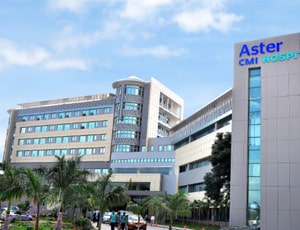
Aster CMI Hospital
Bangalore, India
Aster CMI Hospital located in Bengaluru, India is accredited by JCI, NABH. Also listed below are some of the most prominent infrastructural details:
- Around 500 bed capacity
- Primary care to Quaternary care services
- Outpatient and inpatient departments
- Day care center for small children
- Availability of Surgical suites
- Intensive Care Units
- 24-hour Emergency and Trauma Care
- Emergency Unit especially for children
- Newly launched the Lung and Heart Transplant Centre
- Video Consultation with doctors available on GraphMyHealth
- A specialised Aster Center of Excellence for Women & Children
- Latest Minimally Invasive Procedures being performed
- Safe Interventional Procedures
- Control of Infection protocols are strictly followed
- Aster Holistic Collaborative Care: Aster Palliative Care for lowering suffering if critically ill patients, Physical Medicine & Rehabilitation, Aster Wellness, Psychology, Chronic Pain Management, Nutrition & Dietetic, Podiatry Care etc.
- 11 Centers of Excellence
- An academics focus with BSc Program, MEM Program, Pediatric Fellowship Program
- A streamlined International patient care center with dedicated services and technology enabled processes

Max Super Specialty Hospital, Vaishali
Ghaziabad, India
- Max Super Speciality Hospital, Vaishali, Ghaziabad, is a leading multi-speciality hospital with 387+ beds and 37+ clinical specialities, offering advanced care in Cardiology, Neuro Sciences, Oncology, Orthopaedics, Transplants, Gastroenterology, and Reconstructive Surgery.
- Supported by 389+ doctors and 1038+ trained staff, the hospital combines state-of-the-art technology, including robotic surgery and advanced imaging systems, with compassionate, patient-centred care.
- Accredited by NABH and NABL, Max Vaishali is a trusted destination for both domestic and international patients seeking high-quality, integrated medical services.

MGM Healthcare
Chennai, India
There are a wide variety of healthcare facilities and specialized, targeted treatments provided by MGM HealthCare. Some of its most prominent services are listed below:
Institute of Heart and Lung Transplant and Mechanical Circulatory Support: Well renowned for having the third-highest number of heart transplants in a year (102) and also the successful completion of several other transplant surgeries and cardiac surgeries.
Cardiac Sciences: They offer a variety of screening tests and facilities including Tilt Table Test, Coronary Angioplasty and Stenting, CT Angiography, Coronary Artery Bypass Grafting, Stress Echocardiogram, Cardiac Stress Test and Cardiac Catheterisation.
Obstetrics and Gynaecology: They provide all services to ensure a woman’s well-being. Some of the services offered are Menstrual Cramps Treatment, Colposcopy, Myomectomy, Vaginal Hysterectomy, Breastfeeding Support, Ovarian Cyst Removal, Menopause Management, Vaginal Birth After Caesarean (VBAC), and Menorrhagia Treatment.
Orthopedics: Bilateral Knee Replacement, Total hip Replacement, and Knee Arthroscopy are all the procedures that are offered in this department.
Liver Transplantation: An exceptionally skilled team of professionals who have performed over 4,000 liver transplant surgeries and an operation theatre and ICU specifically dedicated to HBP surgery is available at the patient’s disposal.
Emergency Medicine: MGM Healthcare has a fully functioning facility dedicated to emergency medicine that operates 24 hours a day and 7 days a week.
Oncology: The patients will be in the safe hands of well-trained medical personnel qualified in the field of oncology and specialize in procedures like Bowel resection surgery, Biopsy, Lumpectomy, Liver Resection Surgery, Lung Cancer resection surgery, Lymph Node Surgery, and Laparoscopic Prostatectomy. They also provide cancer treatments like Chemotherapy, Immunotherapy, and Targeted Therapy.
Anaesthesiology and SICU: They specialize in the field of local, general and regional anesthesia and work to assist doctors during surgical procedures.
Neurosciences and Spine: The doctors in this department handle difficult procedures like Brain Tumour Surgery, Spine Reconstructive Surgery, Neuro Surgeries, and Spine Surgeries with the utmost ease and professionalism. They also have a specific area dedicated to Neuroanaesthesia and NeuroCritical Care.
Do visit the environment-friendly medical facility in Chennai and experience medical excellence.
Our Services to better your experience
Opinion & Option
We submit the most accurate opinion and options from one or more countries for your review
Consult Privately
Consult with a certified specialist privately on our telemedicine platform even before you decide to travel
Logistics
We handle flights, visas, transfers, and accommodation—so you can focus on your health.
Recovery
Our In-house rehabilitation service packages to better your recovery and treatment outcome
Why Choose India for Fetal Distress Treatment?
Here are some of the reasons for choosing India:
- Due to advancements in medical facilities, such as minimally invasive surgical techniques.
- World-class experts include highly experienced doctors, JCI, and NABH-accredited healthcare institutions.
- Compared to other countries, treatment in Indian hospitals is cost-effective.
- Indian hospitals provide International patient services, including a multilingual support system.
- Improved treatment methods and biological therapies.
Frequently Asked Questions
Yes, treating fetal distress prioritises the mother's and baby's health. In circumstances where the mother's health is jeopardised, measures are carefully planned to reduce any dangers to her while relieving fetal suffering.
Yes, the number of cesarean procedures in India has been increasing owing to fetal distress or other difficulties during labour. However, decisions are made based on each situation and how well the fetus responds to therapies.
Yes, fetal distress is more common in high-risk pregnancies. Still, it can also occur in low-risk pregnancies due to unexpected challenges such as umbilical cord accidents or sudden placental abnormalities.
Maternal health is essential. Conditions such as preeclampsia, diabetes, and infections can reduce blood flow to the placenta, limiting the oxygen and nutrients available to the fetus and potentially causing distress.
In moderate circumstances, a normal vaginal delivery may be achieved; however, if fetal distress is severe, a cesarean section is frequently recommended to preserve the baby and mother's welfare.
Fetal distress is rather prevalent, especially in high-risk pregnancies, due to variables such as hypertension, gestational diabetes, and insufficient prenatal care. Regular monitoring can help minimise risks.

Reviewer

Dr. Uma Vaidyanathan
Gynecologist Laproscopic Surgeon
19 Years of Experience
Dr. Uma Vaidyanathan joined Fortis Healthcare in November 2019 after practising an effective clinical practice in prestigious corporate hospitals.She has previously worked on research initiatives related to maternal mortality and infections during pregnancy at AIIMS, Safdarjung Hospital, and WHO. View More
Last Reviewed - January 2026