Essential Tremor Disorder Treatment in Malaysia
- Top Accredited Hospitals
- Global Medical Standards
- Cutting-Edge Technology
- Proven Treatment Options
- High Success Rate
- Trusted by Millions

What is an essential tremor disorder?
Essential tremor disorder is a neurological movement disorder characterised mainly by rhythmic, involuntary shaking, most commonly in the hands and arms. It also affects the head, voice, and other body parts. Tremor severity varies between individuals and may gradually increase over time.
What is the Importance of Timely Treatment?
Timely evaluation helps confirm the diagnosis, identify other neurological or medical conditions that may cause tremor, assess how symptoms affect daily activities, and select appropriate treatment. Managing significant tremor early can help maintain independence, reduce functional difficulties, and improve quality of life.
What are the Common Symptoms of an Essential Tremor Disorder?
- Hand or Arm Tremor: Rhythmic shaking may occur while writing, eating, holding objects, or performing other activities.
- Tremor During Movement: Shaking is often more noticeable when using the affected body part or maintaining a posture.
- Head Tremor: Some individuals develop involuntary head shaking, which may occur from side to side or up and down.
- Voice Tremor: Trembling of the voice can affect speech clarity and communication.
- Difficulty With Daily Activities: Tremor may make tasks such as drinking from a cup, using utensils, writing, or dressing difficult.
- Tremor Worsened by Stress: Anxiety, fatigue, caffeine, or other factors may temporarily make tremor more noticeable.
Causes and Risk Factors of Essential Tremor Disorder
Causes
- Abnormal Brain Circuit Activity: Changes in brain networks involved in movement coordination may contribute to essential tremor.
- Genetic Factors: Some cases have a familial pattern, suggesting an inherited susceptibility.
- Sporadic Occurrence: Essential tremor can also develop in people without a known family history.
- Age-Related Factors: Tremor may become more noticeable or severe with increasing age.
- Unclear Underlying Mechanism: The exact biological cause of essential tremor is not fully understood.
Risk Factors
- Family History: Having close relatives with essential tremor may increase susceptibility.
- Increasing Age: Essential tremor can occur at any age but becomes more common with advancing age.
- Genetic Susceptibility: Certain inherited factors may contribute to familial forms.
- Stress and Anxiety: These may temporarily worsen the severity of existing tremor.
- Caffeine and Stimulants: Excessive caffeine or other stimulants may make tremor more noticeable in some people.
- Certain Medicines or Medical Conditions: Some medications and health conditions can cause or worsen tremor and should be evaluated during diagnosis.
Latest Research and Technologies in the Treatment of Essential Tremor Disorder in Malaysia
- Recent advances in essential tremor treatment include improved movement-disorder assessment, deep brain stimulation (DBS), and MRI-guided focused ultrasound (MRgFUS) for selected patients whose tremors do not respond adequately to medication. DBS uses implanted electrodes to deliver adjustable electrical stimulation, while MRgFUS uses focused ultrasound to create a targeted lesion without an incision. Research continues to compare their effectiveness, safety, and long-term outcomes, including newer approaches to treating tremor affecting both sides of the body. Both treatments can reduce tremor in suitable patients, but potential risks and eligibility differ. In Malaysia, patients should consult a movement-disorder neurologist and check whether a specialist centre offers the procedure they need, since availability of MRgFUS and other advanced technologies varies by hospital.
Treatment options for Essential Tremor Disorder
Botulinum Toxin Injections: May be considered for selected patients, particularly when tremor affects specific muscles, the head, or voice.
Deep Brain Stimulation : DBS uses implanted electrodes to stimulate movement-related brain circuits and may be considered for severe, medication-resistant tremor.
Cost Start From 30000Explore Options
Radiofrequency Thalamotomy: A targeted procedure that disrupts abnormal tremor-related signalling and may be considered in selected cases.
- Clinical assessment
- Medical History: Assessment of when tremor began, its progression, triggers, affected body parts, and impact on daily activities.
- Family History: Evaluation of relatives with tremor or other neurological disorders.
- Neurological Examination: Assessment of tremor pattern, muscle strength, coordination, gait, reflexes, and other neurological signs.
- Tremor Assessment: Evaluation of tremor at rest, during posture holding, and during voluntary movement.
- Functional Assessment: Assessment of writing, drinking, eating, dressing, and other activities affected by tremor.
- Medication and Medical History: Review of medicines and conditions that may cause or worsen tremor.
- Imaging Tests:
- MRI Brain: May help identify structural abnormalities or other neurological conditions that could cause tremor.
- CT Scan: May be used when MRI is unsuitable or when additional structural information is required.
- DaTscan: In selected cases, dopamine transporter imaging may help distinguish essential tremor from certain parkinsonian disorders.
- Functional Brain Imaging: PET or SPECT may be used selectively in specialised neurological evaluation or research settings.
- Pre-Surgical Imaging: MRI or CT may be used to plan procedures such as DBS or focused ultrasound.
MediRehab (a chain of Rehab centres, part of MediGence) provides comprehensive tele-rehabilitation services to support essential tremor patients in Malaysia. These services include:
- Physiotherapy may support balance, coordination, and mobility, while occupational therapy can provide strategies and adaptive equipment for writing, eating, dressing, and other tasks.
- Speech therapy may be useful when voice or communication is affected.
- Select medicines based on tremor severity, affected body parts, other medical conditions, and treatment tolerance. A neurologist or movement-disorder specialist should prescribe and monitor treatment because medication suitability varies by patient.
Instantly Connect with our Specialists


Hospitals for Essential Tremor Disorder in Malaysia
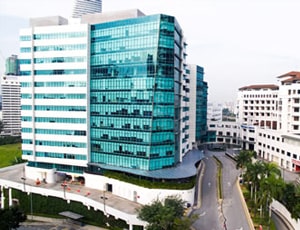
Parkway Pantai
Kuala Lumpur, Malaysia
Parkway Pantai located in Kuala Lumpur, Malaysia is accredited by JCI. Also listed below are some of the most prominent infrastructural details:
- Capacity of 335 beds
- 200+ specialist Doctors
- Critical Care Unit
- Neonatal Intensive Care Unit
- Operating Theatre
- International Patient Care Center
- Types of rooms available- Premier Suite, Supreme Suite, Deluxe Single Room, 2-bedded room, 4-bedded room, Deluxe Suite, Premier Single room, and Supreme Single room

Sunway Medical Centre
Kuala Lumpur, Malaysia
Sunway Medical Centre has initiated a comprehensive expansion plan close to its current hospital facility to enhance its ability to provide services to the global market. The new Cancer Radiosurgery Center and Nuclear Medicine Center, which will also house additional Centers of Excellence like the Digestive Health Center and Dialysis Center, marked the completion of Tower C's first phase in October 2016.

Damansara Specialist Hospital, Petaling Jaya
Petaling Jaya, Malaysia
- KPJ Damansara Specialist Hospital offers specialised healthcare across cardiology, oncology, orthopedics, neurology, gastroenterology, nephrology, women’s health, pediatrics, ENT, and minimally invasive surgery. The hospital provides advanced diagnostics, rehabilitation, cardiac care, neurosurgery, wellness programs, and preventive healthcare supported by multidisciplinary specialists and patient-centred clinical protocols. Equipped with modern medical technologies and safety-driven systems, it focuses on evidence-based treatment, personalised care planning, and quality healthcare delivery
Our Services to better your experience
Opinion & Option
We submit the most accurate opinion and options from one or more countries for your review
Consult Privately
Consult with a certified specialist privately on our telemedicine platform even before you decide to travel
Logistics
We handle flights, visas, transfers, and accommodation—so you can focus on your health.
Recovery
Our In-house rehabilitation service packages to better your recovery and treatment outcome
Why Choose Malaysia for Essential Tremor Disorder Treatment?
- Experienced Neurologists: Patients can access neurologists and movement-disorder specialists experienced in evaluating and managing tremor disorders.
- Advanced Diagnostic Facilities: Major centres may provide neurological assessment, MRI, CT, specialised tremor evaluation, and selected functional imaging.
- Modern Treatment Options: Eligible patients may have access to medication, botulinum toxin, DBS, focused ultrasound, and other advanced treatment approaches.
- Specialised Surgical Care: Selected centres offer movement-disorder procedures such as DBS and lesion-based treatments.
- Multidisciplinary Care: Neurology, neurosurgery, neurophysiology, radiology, physiotherapy, and occupational therapy can contribute to complex cases.
- Personalised Treatment: Treatment can be selected according to tremor severity, affected body parts, medical history, age, and functional requirements.
- International Patient Support: Many major Malaysia hospitals provide services for international patients, including treatment coordination, appointments, accommodation assistance, and follow-up support.
Frequently Asked Questions

Reviewer

Dr Sonal Gupta
Neurosurgeon
29 Years of Experience
Dr. Sonal Gupta has an experienced neurosurgeon with more than 29+ years of clinical expertise. She is currently the Director, Neuro & Spine Surgery at Fortis Hospital, Shalimar Bagh. Before joining Fortis, she has been associated with various organizations such as Maharaja Agrasen Hospital, Action Balaji Hospital, and Max Hospital. View More
Last Reviewed - January 2026