Discitis Treatment in India
- Top Accredited Hospitals
- Global Medical Standards
- Cutting-Edge Technology
- Proven Treatment Options
- High Success Rate
- Trusted by Millions

What is Discitis?
Discitis is an inflammation of the intervertebral discs in the spine, most often due to infection. It may occur at any point in the spine. For example, it can happen in the neck, upper back, or lower back.
What is the Importance of Timely Treatment?
- Prevents Spinal Injury: Stifled discitis can result in lifelong spasms & injury to the involved disc and adjacent vertebrae. Infection-related inflammation can result in disc collapse, deformity, instability, or loss of spinal function.
- Minimise the Risk of Sepsis: Discitis from bacterial infection helps spread the disease all over the body and consequently results in sepsis, which can result in death in certain instances. Therefore, antibiotic therapy can limit the spread of the infection in time so that systemic complications do not develop.
- Saves Your Nerves From Permanent Damage: Infection may cause inflammation of the spinal nerves, causing pain, numbness, weakness, and even paralysis. Early treatment relieves any pressure off the nerves, which, if not relieved, may cause permanent neurological impairment.
- Prompt and appropriate treatment avoids unnecessary surgeries and other procedures for improved recovery and preventing surgery. Appropriate antibiotic treatment and other interventions are enough to manage the infection in many instances and prevent surgical intervention.
- Improved Prognosis: With the proper and prompt treatment, the prognosis of discitis is considerably better. Timely treatment also results in an early return to function with satisfactory spine mechanics, decreased complications, and enhanced quality of life.
What are the Common Symptoms of Discitis?
- Severe Back Pain
- Fever and Chills
- Stiffness in the Spine
- Pain Radiating to Limbs
- Neurological Symptoms
- Tenderness Over the Affected Area
- Difficulty Moving or Standing
- Loss of Appetite and Weight Loss
Causes and Risk Factors of Discitis
Causes
- Bacterial infections
- Fungal or viral infections
- Post-surgical infection
- Urinary tract or gastrointestinal infections
- Trauma or Injury
- Contiguous Infection
Risk Factors
- Age
- Weakened Immune System
- Chronic Health Conditions
- Intravenous Drug Use
- Previous Spinal Surgery or Invasive Procedures
- Poor Nutrition
- Obesity
Connect with our advisor for a PRIORITY response
Latest Research and Technologies in the Treatment of Discitis in India
The medical treatment of Discitis in India adapts the latest research and technologies to meet worldwide clinical standards and healthcare capabilities.
- Advanced Diagnostic Imaging: MRI is the mainstay diagnostic tool for discitis, providing high-resolution imaging of disc inflammation and similar signal changes associated with fluid collections and vertebral abnormalities. This aids in prompt and precise diagnosis, directing suitable management.
- Extended Antibiotic Treatment: Patients typically start IV antibiotics, like vancomycin and amikacin, and continue oral antibiotics for up to 12 weeks. This technique is effective against bacterial infections that are common causes of discitis.
- Surgical Interventions: In cases with serious problems such as spinal instability or abscesses, surgery might be necessary. Operations like spinal cleaning and using rods and screws for stability support spine health and healing.
- Technological Advancements in Surgery: There is a growing use of minimally invasive surgeries and robotic techniques in India. These methods improve accuracy and shorten recovery time. Such advancements lead to better results, particularly in complex discitis cases.
Discitis Prevention Tips
Congenital Spinal Cord Malformation risk is reducible through lifestyle modifications and preventive practices despite unalterable risk variables such as age and gender.
- Stay Clean: Wash your hands frequently and take good care of cuts and wounds to prevent infections from spreading to the spine.
- Post-surgical advice: The instructions for postoperative measures are always best followed strictly to avoid infection after spinal surgery. Sometimes, antibiotics are prescribed for the prevention of such diseases.
- Keep chronic conditions under control: Managing diabetes and autoimmune diseases precludes inflexions from developing. Proper use of the medication and doctor visits at regular intervals boost one's immunity, thus lowering risks.
- Do not use intravenous drugs: Sharing dirty needles increases the chances of an infection getting into the blood and spine. Don't share needles or drug equipment to bring about this risk reduction.
- Keep your spine healthy: Make it a habit to regularly exercise, sit upright, and lift things the right way to avoid damaging your spine. A strong back prevents injuries to the discs and even associated infections.
Treatment options for Discitis
The medical treatment for Discitis requires evaluating the fracture severity, neural involvement, and patient medical condition. The following are the treatment options:
Spinal Fusion : If significant damage to the intervertebral disc occurs, the procedure can be carried out to join the vertebrae.
Cost Start From USD 6500 - USD 9500Explore Options
Percutaneous drainage: When there is an abscess or pus collection adjacent to the infected disc, the procedure is minimally invasive and is used to evacuate that fluid and relieve spine pressure.
These are the standard diagnostic methods for diagnosing Discitis :
- Clinical Evaluation:
- History and Symptoms: During the assessment, the physician needs to complete information about the injury and evaluate symptoms of back pain, numbness, and weakness to determine spinal cord involvement.
- Physical Examination: Physical check-ups examine spinal nerves and nerve compression and evaluate the spine tenderness levels.
- Imaging Studies:
- Magnetic Resonance Imaging: The best modality for diagnosing discitis is MRI. It takes high-resolution spine images and gives information about early signs of infection, such as disc degeneration and/or abscesses, and changes in the vertebral endplates.
- Computed Tomography (CT) Scan: CT scan is the other way used in case MRI is unavailable or contraindicated; it provides detailed images of the vertebrae and disc spaces.
- X-rays: The most specific sensitivity in early detection is not very high; it can rule out fractures and other abnormalities in the spine and show late findings of narrowed disk spaces or vertebral destruction.
- Radionuclide Scanning (Bone Scan): A bone scan, while not as popular as an MRI, is still, in some cases, employed to identify infection in bones and discs. It can produce abnormal patterns of bone metabolism that are related to infection. Ultrasound may visualise some abscesses or collections of fluid found around the spine, but it is not commonly used as a primary diagnostic tool.
- Blood Test and Biopsy
- Bacterial Cultures: This blood test is imperative to sampling for infections and acknowledges whether bacteria invade the bloodstream (bacteremia).
- Inflammatory Markers: The two common inflammatory and infection indicators are elevated C-reactive protein (CRP) and increased erythrocyte sedimentation rate (ESR).
- Needle Biopsy: Whenever evidence of infection is established by imaging studies, a biopsy (tissue removal) from the infected disc may be performed; this could help determine the specific (bacterial, fungal, or viral) organisms causing the infection so that antibiotic treatment could be targeted to these particular pathogens.
- Bone or Disc Aspiration: Sometimes, a needle may perform an aspirating culture to demonstrate the presence of fluid or tissue obtained from infected areas, which can then be tested for bacterial or fungal organisms.
MediRehab (a chain of Rehab centres, part of MediGence) provides comprehensive rehabilitation services designed to support patients in India. Additional services are as per the patient's requirement. These services include:
- Physical Therapy: It's called physical therapy, but, on the whole, it does that; it helps restore mobility through a flexible spine, strengthen back muscles, and make it possible for the spine to perform exercises that help stabilise, improve, and enhance posture.
- Postural and Ergonomic Training: The exercise consists of posture and body mechanics. Rehabilitation ensures the correct posture and body mechanics to eliminate stress on the spinal column. Ergonomists should take special care to help avoid more injuries while performing daily activities.
- Pain Management: Heat and cold therapies and TENS units manage pain and inflammation. Promotes healing during time spent recuperating.
- Gradual Mobilization: Initial stage activities, usually walking or swimming during the post-infection phase. Increases in activity such as this would have more benefits for improving circulation, endurance capability, and overall function.
- Education and Prevention: Education on self-care, strengthening exercises, and proper movement techniques are given to patients to empower them in their recovery and prevent future spine problems.
Discitis is treated with antibiotics (oral after IV) to treat bacterial infections. Pain relief is achieved through NSAIDs, although muscle relaxants and others are useful in controlling inflammation and spasms. Antifungal or antiviral medication is occasionally employed if the infection is due to fungi or viruses.
Instantly Connect with our Specialists


Hospitals for Discitis in India

nanavati Super Speciality Hospital
Mumbai, India
Nanavati Super Speciality Hospital located in Mumbai, India is accredited by NABH. Also listed below are some of the most prominent infrastructural details:
- Capacity of 350 beds
- 75 Critical Care Beds
- 11 Operation Theatres
- 24/7 Catheterization Lab for interventional cardiac services.
- The hospital has a total of 1500 staff with over 350 consultants, 100 resident doctors and 0ver 400 nursing staff.
- Special services to international patients including airport transfer, travel and accommodation booking for attendants, appointments, hospital logistics etc.

Max Super Speciality Hospital, Patparganj
Delhi, India
Max Super Speciality Hospital, Patparganj, a 400+ bed NABH-accredited facility under Balaji Medical and Diagnostic Research Centre, offers world-class care across 33+ specialties, including Cardiac Sciences, Oncology, Neurosciences, Orthopaedics, Obstetrics & Gynaecology, and Kidney Transplant. With 116 ICU beds, 14 HDU beds, 11 modular OTs, and an NABL-accredited Max Lab, the hospital ensures advanced, quality-driven care. Staffed by 510+ expert doctors and 770+ nurses, it’s India’s first AACI-accredited super speciality hospital and North & West India’s first QAI-accredited Advanced Brain Stroke Centre. Max Patparganj is a regional leader in complex surgeries, blending cutting-edge technology with compassionate, patient-centric healthcare.

Our Services to better your experience
Opinion & Option
We submit the most accurate opinion and options from one or more countries for your review
Consult Privately
Consult with a certified specialist privately on our telemedicine platform even before you decide to travel
Logistics
We handle flights, visas, transfers, and accommodation—so you can focus on your health.
Recovery
Our In-house rehabilitation service packages to better your recovery and treatment outcome
Why Choose India for Discitis Treatment?
- Effective Cost: The cost of medical treatment in India proves more economical than Western pricing yet remains equivalent to high-end treatment standards. The treatment path covers operative steps and follows all post-surgical phases.
- World-Class Infrastructure: The healthcare system in India operates multiple facilities accredited at the international level, which combine highly experienced orthopaedic surgeons who receive patients with complicated spine injuries, including Discitis.
- Advanced Technology: The diagnosis and treatment in Indian medical centres benefit from state-of-the-art equipment and cutting-edge procedures, including minimally invasive surgical methods and robotic-assisted solutions.
- Skilled Specialists: Doctors specialising in orthopaedics and neurosurgery are in high numbers throughout India because Indian medical specialists possess international recognition for their outstanding spinal treatment capabilities.
- Language Support: Indian hospitals offer multilingual support to fulfil international patient needs by assisting in numerous country languages.
Frequently Asked Questions
Most cases of discitis can be treated without surgery, using antibiotics and pain management. Surgery will be required in very severe cases where there is some complication, such as spinal instability or abscess formation.
In India, there are many speciality hospitals with advanced equipment and qualified personnel for diagnostic and treatment options, especially in cities like Delhi, Mumbai, and Bangalore, concerning discitis, which includes minimally invasive surgery, MRI scanning, and specialised antibiotic therapy.
Initially, broad-spectrum IV antibiotics are given. Upon identification of the specific organism, treatment may be modified toward a more targeted approach with oral options.
A good doctor for discitis should be an expert in spine and infectious diseases and have the most advanced diagnostic tools. A good doctor should have a good reputation, communicate clearly, and treat patients personally. The doctor should provide regular follow-up care and be affiliated with a reputable hospital.
It will require surgery only if complications like the development of abscesses, spinal instability, or severe neurological symptoms arise. Minimally invasive surgeries are available in India, allowing faster recovery and fewer complications.
Physical therapy is vital in rehabilitation and is abundantly available in India. It is done by strengthening the back muscles, improving the posture, and gradually increasing mobility so that the patient recovers faster and avoids long-term complications like chronic pain or instability.
Advanced technologies like robot-assisted surgery and minimally invasive procedures have been adopted in India to treat severe discitis cases. Not to mention, they also have target drug delivery systems.
Prevention can be done through managing chronic diseases like diabetes, avoiding injuries to the spine, improving posture, and following instructions after treatment. Regularly scheduled follow-ups with healthcare providers and avoidance of sources of infection are the two key factors in preventing recurrence.
Patients are advised to follow a healthy diet, practice postural correction, and engage in gentle, low-impact exercises after treating the acute infection. Lifestyle modifications are key in strengthening the spine and preventing future complications.

Reviewer
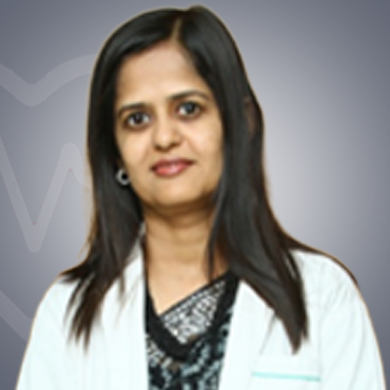
Dr Sonal Gupta
Neurosurgeon
29 Years of Experience
Dr. Sonal Gupta has an experienced neurosurgeon with more than 29+ years of clinical expertise. She is currently the Director, Neuro & Spine Surgery at Fortis Hospital, Shalimar Bagh. Before joining Fortis, she has been associated with various organizations such as Maharaja Agrasen Hospital, Action Balaji Hospital, and Max Hospital. View More
Last Reviewed - January 2026