Crooked Spine Treatment in Thailand
- Top Accredited Hospitals
- Global Medical Standards
- Cutting-Edge Technology
- Proven Treatment Options
- High Success Rate
- Trusted by Millions

What is a Crooked Spine?
A crooked spine is known as spinal deformity and is an abnormal curvature or alignment of the spine resulting from deviations in its normal position. This may make the spine appear twisted, curved, or bent, causing aches, pains, and even trouble in movement.
What is the Importance of Timely Treatment?
Prevents Progression of Symptoms
Delayed treatment can enable neurological symptoms such as weakness, paralysis, and loss of sensation to worsen. Early intervention can help stop the progression of these symptoms and prevent further spinal cord damage.
Reduces Neurological Damage
Early surgical intervention or intervention can ease the pressure off the spinal cord and nerves in conditions such as tethered spinal cord syndrome and Chiari malformations, which prevent permanent neurological deficits like the loss of motor function or bowel and bladder control. It also decreases the risk of developing deformities.
Early surgical intervention
It may prevent the child from suffering severe curvature of the spine, which can result in further complications, such as difficulty breathing, chronic pain, and decreased mobility, for congenital scoliosis or vertebral deformities.
Improved quality of life
Early treatment can significantly reduce the risk of long-term disability and improve overall function. It lets people lead more active, independent lives with less burden on caregivers and anxiety to find untapped reservoirs of pain from unattended conditions.
What are the Common Symptoms of a Crooked Spine?
- Uneven Shoulders or Hips
- Back Pain
- Visible Spinal Deformity
- Limited Mobility
- Fatigue and Muscle Strain
- Breathing Difficulties
- Numbness or Tingling
Causes and Risk Factors of a Crooked Spine
Causes
- Hereditary Conditions
- Congenital Malformations
- Spinal Injuries
- Post-surgical Complications
- Conditions like Cerebral Palsy, Muscular Dystrophy, or Spina Bifida
- Osteoporosis
- Arthritis
- Infections or Tumors
Risk Factors
- Ageing
- Poor Posture and Lifestyle
- Chronic Poor Posture
- Sedentary Lifestyle
- Gender
- Idiopathic Scoliosis
Connect with our advisor for a PRIORITY response
Latest Research and Technologies in the Treatment of Crooked Spine in Thailand
The medical treatment of a Crooked Spine in Thailand adapts the latest research and technologies to meet worldwide clinical standards and healthcare capabilities.
3D Spinal Imaging and Surgical Planning
Advanced 3D imaging systems such as EOS Imaging and CT scan-based modelling are widely applied in Thailand for curvature analysis. These help the surgeon accurately plan individual corrective surgeries and improve patient outcomes.
Growth Modulation Procedures for Children
Vertebral body tethering (VBT) and growth-friendly implants are practised in Thailand for paediatric patients. These procedures correct spinal curvature while allowing continued spine growth, reducing spinal fusion requirements.
Crooked Spine Prevention Tips
Congenital Spinal Cord Malformation risk is reducible through lifestyle modifications and preventive practices despite unalterable risk variables such as age and gender.
The timely intervention of treatment restricts the deformity from advancing. The symptoms become worse when spinal deformities, including scoliosis and kyphosis, continue to grow without proper treatment.
Most spinal deformities produce three significant symptoms: pain, discomfort, stiffness, and muscle fatigue. Initial treatment allows pain control and reduction, leading to enhanced life quality.
An untreated curved spine will restrict mobility and function during daily activities. Medical interventions, including physical therapy alongside bracing, help patients improve their mobility and flexibility.
Investigation and treatment of spinal deformities as soon as possible stop serious complications, which include occasional nerve damage and severe respiratory problems, with chronic pain being a possibility.
A visible spinal deformity tends to result in diminished self-esteem, which generates emotional distress. Optimal treatment provided early will fix deformities while creating better physical appearances with corresponding mental health benefits.
Treatment options for Crooked Spine
The medical treatment for a Crooked Spine requires evaluating the fracture severity, neural involvement, and patient medical condition. The following are the treatment options:
MISS: These surgeries, like spinal fusion or corrective surgery, are performed with the help of a much smaller incision, so patients recover quicker and have less tissue damage due to these surgeries.
Robot-Assisted Surgery: A much more precise form of surgery, carried out via robotics, for correcting spinal deformities, with reduced complications and greater accuracy, attains better alignment and quicker recovery.
Spinal Fusion : Severe scoliosis or kyphosis results in spinal stabilisation by joining one or more two vertebrae together with some metal rods and screws, which are further provided with bone grafts.
Cost Start From USD 12000 - USD 17000Explore Options
Disc replacement may restore motion through artificial disc replacements, restoring motion and healing pain for selected degenerative problems that cause spinal curvature.
Cost Start From USD 15000 - USD 20000Explore Options
These are the standard diagnostic methods for diagnosing Degenerative Disc Disease :
Clinical Evaluation:
- History and Symptoms: During the assessment, the physician needs to complete information about the injury and evaluate symptoms of back pain, numbness, and weakness to determine spinal cord involvement.
- Physical Examination: Physical check-ups examine spinal nerves and nerve compression and evaluate the spine tenderness levels.
Imaging Studies
- X-rays (Radiographs): These tests provide vital information about vertebral bone fractures, displacement of bones, and difficulties with spinal position.
- CT Scan (Computed Tomography): The technique displays original bone structures in a three-dimensional format to calculate the extent of vertebrae compression.
- MRI (Magnetic Resonance Imaging): This method shows providers detailed pictures of soft tissues to investigate compression or swelling.
Scoliometer: A Small, handheld instrument used to measure the degree of curvature of the spine, a common feature of scoliosis, during physical examinations.
Bone Scans: In some instances, bone scans may be carried out to test for bone abnormalities or check if there is an underlying condition of the spine, possibly due to an infection or tumour.
MediRehab (a chain of Rehab centres, part of MediGence) provides comprehensive rehabilitation services to support patients through Teleconsulations and online therapy sessions.
Strengthening muscles
Muscles in the abdomen and back improve posture and, to some extent, spinal curvature alignment. Postural training corrects the person's sitting, standing, and walking patterns, preventing further exacerbation of curvature.
Bracing and Aquatic Therapy
Spinal braces are used for stabilisation by adolescents suffering from scoliosis. Aquatic therapy is given with low impact to enhance muscle strength, improve flexibility, and decrease the intensity of strain caused to the spine.
Massage Therapy and Chiropractic Care
Therapeutic massage reduces muscle tension and pain; chiropractic adjustments may enhance spinal function and reduce discomfort. Both of these therapies can help maintain the general health of the spine.
Yoga, Pilates, and Occupational Therapy
Specific exercises like yoga and Pilates strengthen the spine and increase flexibility. Occupational therapy enables individuals to modify daily activities and ergonomics to minimise spinal strain and manage conditions of a crooked spine.
Instantly Connect with our Specialists


Hospitals for Crooked Spine in Thailand
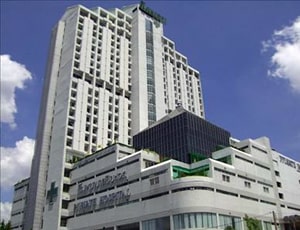
Piyavate Hospital
Bangkok, Thailand
Piyavate Hospital located in Bangkok, Thailand is accredited by JCI. Also listed below are some of the most prominent infrastructural details:
Medicine Centre: Piyavate Hospital provides advanced holistic treatment for their patients. They offer a complete range of services and physicians that specialize in various fields like the endocrine system, the nervous system, kidney function, cardiovascular care, respiratory and digestive system. They pride themselves for the familial care that they provide to their patients.
Fertility and In-Vitro Fertilization Centre: Helping the couples who walk into the Piyavate Hospital to achieve their dream of having a family. They have a medical team that specializes in male and female fertility. They offer consultation services, fertility check-up for both men and women and complete IVF services. They have advanced IVF cycle treatment facilities that offer a high rate of success.
Bone and Joint Institute: Piyavate Hospital houses one of the frontrunners in Orthopaedic health care in all of SouthEast Asia. They offer a wide range of services and surgeries in their bone and joint institute that include hand surgery, hip and knee replacement surgery, spinal cord surgery, upper extremity surgery, arthroscopic surgery and sports medicine.
Eye and Lasik Centre: Piyavate Hospital is fully equipped with the latest and most advanced technology for eye care and houses highly skilled ophthalmologists, sub-specialists and qualified nurses.
Physical Therapy and Rehabilitation Centre: One of the first hospitals to be equipped with the Hybrid Assistive Limb technology that will help a neurologically challenged patient to control the rehabilitation robot limb with a signal from their brain. The Physical Therapy and Rehabilitation Centre at Piyavate Hospital uses this system encourage patients to regain muscle memory to walk and function normally.
Amenities for Patient’s Family:
Piyavate Hospital also offers additional apartment facilities to house the kin of the patients who come to visit them from distant places. A restaurant, a flower shop and a café are a few of the other amenities provided by the hospital.
These are the most popular services offered by the Piyavate Hospital in Bangkok, Thailand. They also provide a plethora of other medical services that are listed below:
Diabetic Foot Centre
Check-up centre
Urology Centre
Heart Institute
Paediatric Centre
Obstetrics and Gynaecology Centre
Surgery Centre
Ear Nose Throat Centre
Haemodialysis Centre
Dental Centre
X-Ray Centre
Gastroenterology Centre
Cancer Centre
Neonatal Intensive Care Unit (NICU)
Emergency Services and Centre
Tele-medicine

Phyathai 2 International Hospital
Bangkok, Thailand
Phyathai 2 International Hospital located in Bangkok, Thailand is accredited by JCI. Also listed below are some of the most prominent infrastructural details:
- Fully equipped rooms are available for convenience of the patients- Gold B Room, Gold A Room, Pediatric Gold A, Platinum room, and Prestige ward
- Nearby accommodations are also available- Abloom Service Apartments, Bangkok Patio, VIB Best Western Sanam Pao, VIC3 Hotel
- Operating room
- International Patient Medical Center to assist overseas patients

Kasemrad Ramkhamhaeng Hospital
Bangkok, Thailand
Apart from in-detail treatment procedures available, Kasemrad Ramkhamhaeng Hospital located in Bangkok, Thailand has a wide variety of facilities available for International Patients. Some of the facilities which are provided by them are Accommodation, Airport Transfer, Choice of Meals, Interpreter, SIM, TV inside room. Also listed below are some of the most prominent infrastructural details:
- Initially started with 1.5 acres of land and expanded to 3.5 acres
- 139 beds, 39 Examination Rooms
- 13 Specialties Departments/Centers
- 24*7 Emergency Department
- Accommodation facilities are available- VIP rooms, Single special room, 6-bed dormitory, baby room
Our Services to better your experience
Opinion & Option
We submit the most accurate opinion and options from one or more countries for your review
Consult Privately
Consult with a certified specialist privately on our telemedicine platform even before you decide to travel
Logistics
We handle flights, visas, transfers, and accommodation—so you can focus on your health.
Recovery
Our In-house rehabilitation service packages to better your recovery and treatment outcome
Why Choose Thailand for Crooked Spine Treatment?
Effective Cost
The cost of medical treatment in Thailand proves more economical than Western pricing yet remains equivalent to high-end treatment standards. The treatment path covers operative steps and follows all post-surgical phases.
World-Class Infrastructure
The healthcare system in Thailand operates multiple facilities accredited at the international level, which combine highly experienced orthopaedic surgeons who receive patients with complicated spine injuries, including Crooked Spine.
Advanced Technology
The diagnosis and treatment in Thai medical centres benefit from state-of-the-art equipment and cutting-edge procedures, including minimally invasive surgical methods and robotic-assisted solutions.
Skilled Specialists
Doctors specialising in orthopaedics and neurosurgery are in high numbers throughout Thailand because Thai medical specialists possess international recognition for their outstanding spinal treatment capabilities.
Language Support
Thai hospitals offer multilingual support to fulfil international patient needs by assisting in numerous country languages.
Frequently Asked Questions
A crooked spine can be treated with non-surgical treatments like physical therapy, bracing, pain management, and posture correction. However, surgery is inevitable in severe cases or when these non-surgical options fail.
Treatment options are physical therapy to strengthen the spine, bracing, especially in children or adolescents, pain management techniques, and minimally invasive or traditional spine surgery in severe cases.
Surgery is generally left for the severest cases when the curvature hampers or causes severe discomfort in daily activity. The cases are less serious and can be treated with less invasive methods, including physical therapy and bracing.
In severe cases, especially with kyphosis, a crooked spine can compress the lungs and cause breathing difficulties. Early intervention and treatment will prevent this complication.
Yes, scoliosis and other spinal deformities may run in families. A family history of spinal conditions may increase the risk of developing a crooked spine, especially during growth spurts in adolescence.
Yes, exercises that strengthen the core and improve posture may help manage a crooked spine, especially in mild cases. In addition, physical therapy and other activities, such as those provided in practising yoga or Pilates, can provide relief and prevent the progression of this condition.
Between 85 and 95% of patients experience curvature correction and pain relief, depending on the case and the type and severity of surgery performed.
Initial hospitalisation lasts 5-7 days; total-fitting recovery could be 3-6 months. Recovery time may decrease using small invasive techniques.
Patients should ideally remain 2-3 weeks post-surgery for initial recuperation and follow-ups before travelling, but this varies by procedure type and doctor's recommendation.

Reviewer
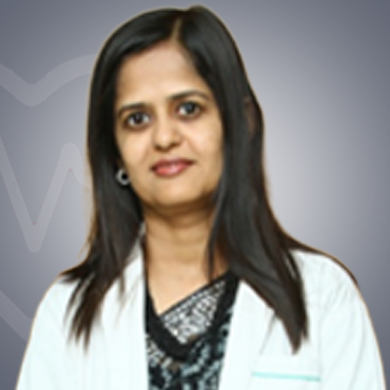
Dr Sonal Gupta
Neurosurgeon
29 Years of Experience
Dr. Sonal Gupta has an experienced neurosurgeon with more than 29+ years of clinical expertise. She is currently the Director, Neuro & Spine Surgery at Fortis Hospital, Shalimar Bagh. Before joining Fortis, she has been associated with various organizations such as Maharaja Agrasen Hospital, Action Balaji Hospital, and Max Hospital. View More
Last Reviewed - January 2026