Critical Limb Ischemia Treatment in Malaysia
- Top Accredited Hospitals
- Global Medical Standards
- Cutting-Edge Technology
- Proven Treatment Options
- High Success Rate
- Trusted by Millions

What is Critical Limb Ischemia?
Critical Limb Ischemia is a severe manifestation of peripheral artery disease caused by inadequate blood flow to the tissues of the lower limb. It is generally associated with ischemic rest pain or tissue loss such as ulcers or gangrene, together with objectively documented arterial disease and impaired limb perfusion.
What is the Importance of Timely Treatment?
Timely treatment is important because prolonged inadequate blood flow can lead to progressive tissue damage, infection, gangrene, and limb loss. Early evaluation helps determine ischemia severity, identify arterial blockages, assess wound and infection status, and determine whether blood flow can be restored.
What are the Common Symptoms of Critical Limb Ischemia?
- Severe Foot or Leg Pain at Rest: Persistent burning, aching, or severe pain may occur in the foot or lower leg, particularly at night or when the limb is elevated.
- Non-Healing Wounds or Ulcers: Cuts, sores, or ulcers may fail to heal because insufficient blood reaches the affected tissue.
- Gangrene or Tissue Death: Severe loss of blood supply can cause areas of the skin and underlying tissue to become dark, discoloured, or necrotic.
- Cold Feet or Legs: The affected limb may feel significantly colder than the opposite limb because of reduced circulation.
- Skin Colour Changes: The foot or leg may appear pale, bluish, reddish, or unusually dark depending on the severity and stage of ischemia.
- Numbness or Weakness: Severe arterial insufficiency can cause altered sensation, weakness, or reduced function in the affected limb.
- Reduced or Absent Pulses: Pulses in the foot may be weak or absent because of significant arterial obstruction.
Causes and Risk Factors of Critical Limb Ischemia
Causes
- Advanced Atherosclerosis: Progressive plaque buildup can severely narrow or block arteries supplying the legs and feet.
- Long-Segment Arterial Blockage: Extensive or multiple arterial blockages can substantially reduce blood flow to the limb.
- Arterial Thrombosis: A blood clot forming within a diseased artery can further restrict circulation.
- Embolism: A clot or other material travelling from another part of the circulation can obstruct a peripheral artery.
- Diabetes-associated vascular disease: Diabetes can contribute to arterial disease and is also associated with impaired wound healing and infection risk.
- Previous Vascular Procedures: Re-narrowing or blockage after previous angioplasty, stenting, or bypass surgery may contribute to recurrent ischemia.
- Inflammatory or other vascular disorders: Less common disorders affecting blood vessels may also reduce arterial blood flow.
Risk Factors
- Smoking or tobacco exposure
- Diabetes
- High blood pressure
- High cholesterol
- Older age
- Chronic kidney disease
- Established peripheral artery disease
- Coronary artery disease
- Previous stroke or other cardiovascular disease
- Obesity and physical inactivity
- Previous vascular procedures
- Family history of vascular disease
Latest Research and Technologies in the Treatment of Critical Limb Ischemia in Malaysia
- Care for chronic limb-threatening ischemia involves assessing limb blood flow and choosing the best way to restore it. Tests such as toe pressure, transcutaneous oxygen pressure, skin perfusion pressure, ultrasound, CT angiography, and catheter angiography help assess the condition and plan treatment. Depending on the blocked arteries and the patient's overall health, treatment may include minimally invasive procedures, bypass surgery, or both. A team approach, including restoring blood flow, wound care, infection control, diabetes management, and rehabilitation, helps wounds heal and preserves limb function. The procedures available vary between centres in Malaysia.
Treatment options for Critical Limb Ischemia
Endovascular Revascularisation: A minimally invasive procedure using a catheter to improve blood flow through narrowed or blocked arteries. Depending on the blockage, treatment may include balloon angioplasty, stent placement, or other specialised techniques.
Femorotibial Bypass Graft: A surgical procedure where a vascular surgeon routes blood around blocked arteries in the thigh and knee to restore circulation to the lower leg and foot.
Atherectomy : A specialised catheter-based technique used in selected cases to remove or modify arterial plaque. It is not required for every patient with CLTI; its suitability depends on the blockage's location and characteristics.
Cost Start From 5500Explore Options
Hybrid Revascularisation: A single-stage, multi-level treatment combining open endarterectomy (usually of the common femoral artery) with percutaneous angioplasty/stenting of the inflow or outflow tracts.
Treatment of Foot Infection: In CLTI, infection is an absolute medical emergency (such as wet gangrene or a deep plantar space abscess) that requires urgent surgical debridement and IV antibiotics to prevent septic shock.
Primary Amputation: A distinct, definitive structural pathway when a limb is completely non-viable, has an uncontrolled infection, or revascularisation is technically impossible.
- Clinical assessment:
- Medical History: Assessment includes rest pain, walking limitations, wound duration, previous ulcers, tissue loss, diabetes, smoking, kidney disease, cardiovascular disease, and previous vascular procedures.
- Physical Examination: A vascular specialist may assess pulses, skin colour and temperature, capillary refill, sensation, motor function, wounds, ulcers, gangrene, and other signs of reduced circulation.
- Ankle-Brachial Index (ABI): Compares blood pressure at the ankle with blood pressure in the arm and provides an initial assessment of lower-extremity arterial perfusion.
- Toe-Brachial Index (TBI): May provide additional information when ABI results are difficult to interpret, particularly when arteries are heavily calcified.
- Transcutaneous Oxygen Pressure: Measures oxygen availability in tissues and may help assess wound-healing potential and limb perfusion.
- Skin Perfusion Pressure (SPP): May be used as another local perfusion measure in patients with wounds or suspected severe ischemia.
- Pulse Volume Recording and Segmental Pressures: These tests may help identify the level and severity of arterial obstruction.
- Wound and Infection Assessment: Ulcers, tissue loss, gangrene, and possible infection are evaluated to determine the severity of limb involvement and treatment needs.
- Imaging Tests:
- Duplex Ultrasound: Provides information about blood flow and can identify arterial narrowing or occlusion.
- CT Angiography (CTA): Provides detailed images of the arterial system and can help determine the location and extent of disease before revascularisation.
- MR Angiography (MRA): Provides detailed vascular imaging and may be used in selected patients when additional anatomical information is needed.
- Catheter Angiography: Provides detailed arterial imaging and may be performed when endovascular treatment is being considered.
- Intravascular Ultrasound (IVUS): May be used during selected endovascular procedures to assess vessel anatomy and help guide treatment.
- Vascular Mapping: Imaging may be used to evaluate potential bypass targets and available conduits when surgical revascularisation is being considered.
- MediRehab (a chain of Rehab centres, part of MediGence) provides comprehensive tele-rehabilitation services designed to support Critical Limb Ischemia patients in Malaysia. These services include:
- Post-Revascularisation Rehabilitation: Rehabilitation can help patients gradually regain mobility and functional capacity after endovascular or surgical treatment.
- Gradual Physical Activity: Increase activity according to limb status, wound healing, treatment performed, and guidance from the vascular team.
- Walking Rehabilitation: Structured walking programmes may be introduced when appropriate, particularly after successful revascularisation and wound stabilisation.
- Strength and Mobility Training: Physiotherapy may help restore strength, balance, mobility, and independence after prolonged illness or vascular procedures.
- Amputation Rehabilitation: Patients who require amputation may benefit from physiotherapy, occupational therapy, mobility training, prosthetic assessment, and psychological support.
- Medicines play an important role in CLTI management but generally do not restore severely reduced blood flow on their own. Antiplatelet therapy may reduce cardiovascular and limb-related events. High-intensity statin therapy, blood-pressure treatment, and appropriate diabetes management are also important. Pain management may be required for ischemic rest pain, while antibiotics may be prescribed when a wound or ulcer is infected.
Instantly Connect with our Specialists


Hospitals for Critical Limb Ischemia in Malaysia

Ara Damansara Medical Centre
Kuala Lumpur, Malaysia
Situated at the junction of Petaling Jaya and Shah Alam, close to the Oasis Ara, Ara Damansara Medical Centre boasts a serene, luxurious ambiance.
The Centre has been awarded several prestigious awards such as the Global Health Asia Pacific Awards 2023, Newsweek Best Specialized Hospital APAC 2023, Healthcare Asia Awards 2023, and Malaysian Healthcare Wellness Excellence.

Subang Jaya Medical Centre
Kuala Lumpur, Malaysia
Subang Jaya Medical Center is renowned for pioneering radiation oncology treatments and infrastructure in Malaysia. The hospital also has a state-of-the-art Cancer Radiosurgery Centre (CRC), which is fully furnished with the latest medical technology for cancer detection, monitoring, and treatment.

ParkCity Medical Centre
Kuala Lumpur, Malaysia
In Kuala Lumpur, Malaysia, ParkCity Medical Centre is a 300-bed, cutting-edge, interdisciplinary private hospital that provides award-winning private healthcare in an environment of lush vegetation.
Our Services to better your experience
Opinion & Option
We submit the most accurate opinion and options from one or more countries for your review
Consult Privately
Consult with a certified specialist privately on our telemedicine platform even before you decide to travel
Logistics
We handle flights, visas, transfers, and accommodation—so you can focus on your health.
Recovery
Our In-house rehabilitation service packages to better your recovery and treatment outcome
Why Choose Malaysia for Critical Limb Ischemia Treatment?
- Experienced Vascular Specialists: Access to vascular surgeons, interventional radiologists, interventional cardiologists, and other specialists involved in complex limb ischemia management.
- Advanced Vascular Diagnostics: Major vascular centres may provide ABI, TBI, toe pressure measurements, duplex ultrasound, CT angiography, MR angiography, and catheter angiography.
- Surgical Bypass: Specialised vascular centres may provide bypass surgery for patients whose anatomy and clinical condition are suitable.
- Multidisciplinary Limb-Salvage Care: Vascular specialists, interventional teams, wound-care professionals, diabetologists, infectious-disease specialists, podiatry or foot-care professionals, and rehabilitation teams may coordinate treatment.
- Advanced Wound and Foot Care: Patients with ulcers, infection, gangrene, or tissue loss may receive coordinated wound management alongside blood-flow restoration.
- Rehabilitation Services: Physiotherapy, mobility training, occupational therapy, and amputation rehabilitation may be available when required.
- International Patient Support: Many major Malaysia hospitals provide help with medical records, appointments, treatment coordination, accommodation, interpretation (where available), and follow-up.
Frequently Asked Questions

Reviewer
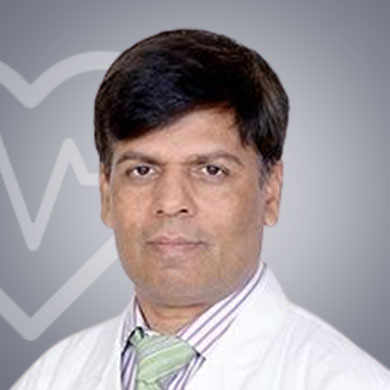
Dr. Nityanand Tripathi
Interventional Cardiologist
29 Years of Experience
With a rich experience of more than 29 years, Dr. Nityanand has gained a vast spectrum of skills and expertise in performing all types of complex cardiac procedures. He is an expert in clinical & interventional cardiology and electrophysiology. He studied his medicine (MBBS) and MD from the Institute of Medical Sciences of Banaras Hindu University, Varanasi, and later completed his DM in Cardiology from the prestigious King George Medical University, Lucknow. View More
Last Reviewed - January 2026