Coronary Atherosclerosis Treatment in Thailand
- Top Accredited Hospitals
- Global Medical Standards
- Cutting-Edge Technology
- Proven Treatment Options
- High Success Rate
- Trusted by Millions

What is Coronary Atherosclerosis?
Coronary Atherosclerosis occurs when atherosclerotic plaque accumulates within the walls of the coronary arteries. Over time, the arteries may narrow or become blocked, limiting the oxygen-rich blood supply to the heart. In some cases, a plaque can rupture and form a blood clot, potentially causing an acute heart attack.
What is the Importance of Timely Treatment?
Timely treatment can help control symptoms, slow the progression of coronary artery disease, improve blood flow when necessary, and reduce the risk of heart attack, heart failure, and other complications. Regular assessment also helps identify cardiovascular risk factors and determine whether medicines, lifestyle changes, or revascularisation may be appropriate.
What are the Common Symptoms of Coronary Atherosclerosis?
- Chest Discomfort: Pressure, tightness, heaviness, or squeezing in the chest, particularly during physical activity or emotional stress.
- Shortness of Breath: Reduced blood flow to the heart may cause breathlessness during exertion.
- Fatigue: Some people experience unusual tiredness or reduced exercise tolerance.
- Pain in Other Areas: Discomfort may spread to the arm, shoulder, neck, jaw, back, or upper abdomen.
- Palpitations: Some patients may experience a racing, pounding, or irregular heartbeat.
- Dizziness or Sweating: Lightheadedness, cold sweating, nausea, or weakness may occur, particularly during an acute coronary event.
Causes and Risk Factors of Coronary Atherosclerosis
Causes
- Atherosclerotic Plaque Formation: Cholesterol-containing particles, inflammatory cells and other substances accumulate within the coronary artery walls.
- Elevated LDL Cholesterol: High levels of LDL cholesterol and other atherogenic lipoproteins contribute to plaque development.
- Endothelial Dysfunction: Impaired function of the artery's inner lining can contribute to atherosclerosis.
- Inflammation: Chronic inflammation contributes to plaque development and progression.
- Diabetes and Metabolic Abnormalities: High blood glucose and associated metabolic changes can accelerate atherosclerotic disease.
Risk Factors
- High blood pressure
- High LDL cholesterol
- Diabetes
- Smoking or tobacco exposure
- Overweight or obesity
- Physical inactivity
- Unhealthy diet
- Increasing age
- Family history of premature coronary artery disease
- Chronic kidney disease
Latest Research and Technologies in the Treatment of Coronary Atherosclerosis in Thailand
- Advanced imaging, physiological assessment, and minimally invasive interventions to manage coronary atherosclerosis are being investigated. For heavily calcified or complex plaques, specialist centres are increasingly offering newer technologies such as intravascular lithotripsy, rotational or orbital atherectomy, scoring balloons, and drug-coated balloons. Recent international evidence continues to support greater use of intravascular imaging to optimise PCI, particularly for complex coronary disease.
Treatment options for Coronary Atherosclerosis
Angioplasty and Stenting : Also known as Percutaneous Coronary Intervention (PCI), this mechanical approach restores flow through lumen blockages.
Coronary Artery Bypass Grafting (CABG) : The open-surgical revascularisation approach utilised for complex, multi-vessel, or left main atherosclerotic disease.
Cost Start From 18000Explore Options
- Clinical assessment:
- Medical History: Assessment of symptoms, cardiovascular risk factors, family history, previous heart disease, and medications.
- Physical Examination: Evaluation of blood pressure, heart rate, weight, and other cardiovascular findings.
- Electrocardiogram (ECG): Assesses heart rhythm and may identify evidence of previous or ongoing cardiac ischemia.
- Blood Tests: Lipid profile, blood glucose, HbA1c, kidney function, and cardiac biomarkers when clinically indicated.
- Stress Testing: Exercise or pharmacological stress testing may assess how the heart responds to increased workload.
- Imaging Tests:
- CT Coronary Angiography: Provides detailed images of coronary artery anatomy and plaque.
- Coronary Angiography: Invasive imaging used to identify significant coronary narrowing and guide treatment.
- Echocardiography: Evaluates heart structure and pumping function.
- Cardiac MRI: Provides detailed assessment of heart structure, function, and myocardial damage in selected patients.
- Nuclear Cardiac Imaging: May assess myocardial blood flow and identify areas of reduced perfusion.
- Intravascular Ultrasound (IVUS): Provides detailed images from inside a coronary artery during selected procedures.
- Optical Coherence Tomography (OCT): Provides high-resolution images of coronary plaque and stents during selected interventions.
MediRehab (a chain of Rehab centres, part of MediGence) provides comprehensive tele-rehabilitation services designed to support Coronary Atherosclerosis patients in Thailand. These services include:
- Cardiac Rehabilitation: Structured programmes can improve physical fitness and cardiovascular health.
- Gradual Physical Activity: Increase activity according to symptoms, heart function, and medical advice.
- Weight Management: Maintaining a healthy weight supports overall heart health.
- Medicines for coronary atherosclerosis may include statins or other lipid-lowering therapies, antiplatelet medicines when indicated, beta-blockers, nitrates or other antianginal medicines, and medicines to control blood pressure or diabetes.
Instantly Connect with our Specialists


Hospitals for Coronary Atherosclerosis in Thailand

Vejthani Hospital
Bangkok, Thailand
Vejthani Hospital located in Bangkok, Thailand is accredited by NABH, NABL. Also listed below are some of the most prominent infrastructural details:
- It is among the topmost private hospitals functioning in Thailand.
- The bed capacity of the hospital is 263.
- There are more than three hundred thousand patients visiting the hospital every year.
- Vejthani hospital has more than 40 outpatient clinics and centers.
- International patient care center with all kinds of services: air ambulance, transfers, travel, stay, embassy liaison, patient coordinators, prayer rooms, visa coordination and translators for 20 languages.
- The special facilities are:
- International Certified Laboratory
- 10 Operating Rooms
- Radiology Section: Portable X-ray, CT-scan and C-ARM and MRI
- Neonatal Critical Care Unit
- Water-jet technique applied for liposuction
- Computer navigation and mini-invasive technique for Joint Replacement surgery

Bangpakok 9 International Hospital
Bangkok, Thailand
Bangpakok 9 International Hospital located in Bangkok, Thailand is accredited by JCI. Also listed below are some of the most prominent infrastructural details:
- It would be prudent to summarise the Medical Services provided at the Bangpakok 9 International Hospital (BPK 9), Bangkok, Thailand:
- Cosmetic Dentistry
- Dental Implants
- Electrocardiogram (EKG or ECG)
- Exercise Stress Test
- Health Screening
- Laser Vagina Firming
- Pediatric Physical Therapy
- Perfect Slim by Vela II
- Physical Therapy for Musculoskeletal
- Prosthodontics
- The Medical Services are also inclusive of the International Patient Services such as the ones listed here:
- Thai, English, French, Arabic, Chinese, Myanmar, Cambodia, Bangladeshi, Bahasa and Tagalog are the languages in which there are Translation services available for International Patients.
- Visa extension related assistance
- International health insurance related assistance
- Embassy and international organizations related assistance
- A variety of meals of choice for International Patients
- Email consultation services
- Transfer to either airport and/or hotels
- Prayer room
- Four different types of rooms are available such as Deluxe room, two kinds of suites, and a VIP suite.
- Hospital facilities like The Coffee shop, Food Hall, Cafe and Medical Spa.
- Complete health and safety protocols are maintained in the various Medical Centers some of whom are as follows:
- Aesthetic Center
- 24 Hour Emergency Center
- Allergy Center
- Breast Center
- bSmart Center
- Checkup Center
- Dental Center,
- Happy Long Life Center
- Medical Fitness Center
- Psychiatric Center
- Rehabilitation Center
- Sleep Disorders Center
Our Services to better your experience
Opinion & Option
We submit the most accurate opinion and options from one or more countries for your review
Consult Privately
Consult with a certified specialist privately on our telemedicine platform even before you decide to travel
Logistics
We handle flights, visas, transfers, and accommodation—so you can focus on your health.
Recovery
Our In-house rehabilitation service packages to better your recovery and treatment outcome
Why Choose Thailand for Coronary Atherosclerosis Treatment?
- Experienced Cardiology Specialists: Access to cardiologists, interventional cardiologists, and cardiac surgeons experienced in coronary artery disease.
- Modern Interventional Cardiology: Eligible patients may have access to angioplasty, advanced stenting, IVUS, OCT, and physiological coronary assessment.
- Comprehensive Heart Care: Cardiology, cardiac surgery, critical care, rehabilitation, nutrition, and other specialists can collaborate for complex cases.
- Personalised Treatment: Treatment plans are based on coronary anatomy, symptoms, cardiovascular risk, heart function, and associated conditions.
- International Patient Support: Many major Thai hospitals assist international patients with appointments, treatment coordination, accommodation, and follow-up.
Frequently Asked Questions

Reviewer
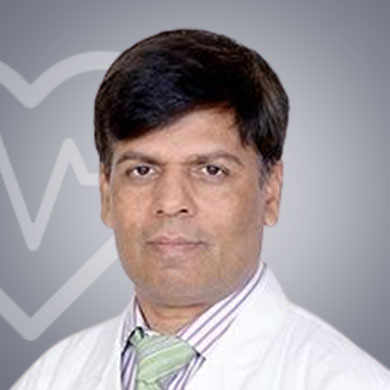
Dr. Nityanand Tripathi
Interventional Cardiologist
29 Years of Experience
With a rich experience of more than 29 years, Dr. Nityanand has gained a vast spectrum of skills and expertise in performing all types of complex cardiac procedures. He is an expert in clinical & interventional cardiology and electrophysiology. He studied his medicine (MBBS) and MD from the Institute of Medical Sciences of Banaras Hindu University, Varanasi, and later completed his DM in Cardiology from the prestigious King George Medical University, Lucknow. View More
Last Reviewed - January 2026