Coronary artery disease Treatment in Thailand
- Top Accredited Hospitals
- Global Medical Standards
- Cutting-Edge Technology
- Proven Treatment Options
- High Success Rate
- Trusted by Millions

What is Coronary artery disease?
The narrowing or blockage of your coronary arteries, which provide your heart with oxygen-rich blood, is known as coronary artery disease (CAD). This occurs because the amount of blood that can reach your heart muscle is reduced over time due to plaque (including cholesterol) accumulation in these arteries.
What is the Importance of Timely Treatment?
To avoid serious consequences like heart attacks, heart failure, or sudden cardiac arrest, Coronary Artery Disease (CAD) must be treated on time.
Changes in lifestyle, medicine, surgery, or angioplasty are examples of early interventions that can increase blood flow, lessen cardiac strain, and stop the disease's progression.
Treating CAD also enhances quality of life, raises the likelihood of a better long-term prognosis, and reduces the danger of irreversible damage to the heart muscle. Higher mortality rates, a higher chance of serious cardiovascular events, and increasing symptoms can result from postponing therapy.
What are the Common Symptoms of Coronary artery disease?
You might not have any symptoms in the early stages. However, when the plaque accumulates and restricts blood flow to the heart muscle, you might experience exhaustion or shortness of breath, particularly when exercising.
- Angina, or chest pain, is the most typical sign of CAD. Some people mistake it for heartburn or indigestion.
- Your chest hurts when you have angina. Additionally, you can have that sensation in your jaw, shoulders, arms, or back. You might experience:
- Tightness
- Discomfort
- Pressure
- Heaviness
- Burning, Squeezing, Aching, and Numbness
- Fullness
Types of Coronary artery disease
There are two main types of coronary artery disease:
- Stable ischemic heart disease: The chronic type of heart disease is called stable ischemic heart disease. Over many years, your coronary arteries gradually narrow. With time, your heart gets less blood that is rich in oxygen.
- Acute coronary syndrome: It is a sudden, life-threatening condition. Your heart's blood supply is cut off when the plaque in your coronary artery unexpectedly bursts and produces a blood clot. A heart attack results from this sudden obstruction.
Causes, Risk Factors and Complications of Coronary Artery Disease
Causes
- The accumulation of lipids, cholesterol, and other materials in and on the heart artery walls causes coronary artery disease. This condition is called atherosclerosis. We refer to the accumulation as plaque. The arteries may narrow due to plaque, obstructing blood flow. Additionally, the plaque may rupture, resulting in a blood clot.
Some causes of atherosclerosis and coronary artery disease are:
- Insulin resistance and diabetes
- Elevated blood pressure
- Lack of exercise
- Tobacco use or smoking
Risk Factors
- The risk factors for coronary artery disease are numerous. Discuss with your doctor what you can do to reduce these risk factors:
- Being over 55 if you're a woman and over 45 if you're a man.
- Having a biological relative who has heart disease, particularly a mother or sister who was diagnosed before the age of 65 or a father or brother who was diagnosed before the age of 55.
- Consuming large amounts of refined carbs or saturated fat.
- Not getting enough exercise.
- Inadequate sleep.
- Using tobacco products such as smoking
- Suffering from atherosclerosis.
- Elevated blood pressure.
- Elevated LDL (or "bad") cholesterol.
- Low levels of HDL (or "good") cholesterol.
- hypertriglyceridemia, or elevated triglycerides.
- Anaemia.
- Autoimmune conditions, such as rheumatoid arthritis and lupus.
- Chronic renal disease.
- Diabetes.
- HIV/AIDS.
- Metabolic syndrome.
- A BMI (body mass index) of more than 25.
- Sleep disturbances
Complications
The CAD can weaken your heart over time and cause problems like:
- Arrhythmias include irregular heartbeats such as atrial fibrillation.
- Cardiac arrest.
- Cardiac shock.
- Heart failure.
Connect with our advisor for a PRIORITY response
Latest Research and Technologies in the Treatment of Coronary Artery Disease in Thailand
- Thailand is at the centre of coronary artery disease (CAD) treatment, with cutting-edge research on drug-eluting stents, coronary artery bypass grafting (CABG), and percutaneous coronary procedures.
- Advanced technologies such as 3D coronary imaging, robotic-assisted surgeries, and customised medicine are routinely used, resulting in more precise treatment plans and better patient results.
- Together with trained cardiologists, these developments provide patients with highly effective, less invasive choices for CAD therapy and speedier recovery.
Coronary Artery Disease Prevention Tips
- Certain risk factors are beyond your control; therefore, you can't always avoid coronary artery disease. However, there are strategies to reduce your risk of coronary artery disease and help keep it from growing worse:
- Commit to quitting smoking and all tobacco use.
- Consume heart-healthy meals.
- Make sure you get enough rest.
- Maintain a healthy weight for yourself.
- Find out your heart disease risk.
- Don't drink too much.
- Increase your movement.
- Continue taking your prescription medications.
Treatment options for Coronary artery disease
CABG: Coronary artery bypass grafting (CABG) procedure opens up a new blood vessel to bypass obstructions. Your heart's blood flow is restored by this "detour." People with significant blockages in several coronary arteries benefit from CABG.
Cost Start From USD 12000 - USD 25000Explore Options
Atherectomy: An atherectomy is a medical operation that opens up constricted or blocked blood vessels and restores normal blood flow by removing plaque accumulation inside arteries.
Cost Start From USD 5000 - USD 7000Explore Options
Balloon Angioplasty: A minimally invasive technique that opens blocked or narrowed arteries to enhance blood flow is a frequent treatment for coronary artery disease (CAD).
Cost Start From USD 5000 - USD 7500Explore Options
Tests to diagnose Coronary artery diseaseinclude:
- Clinical Assessment
- Electrocardiogram (ECG or EKG): An EKG test is a quick and straightforward method to determine whether you have a cardiac condition.
- Blood tests: Blood testing can measure cholesterol and blood sugar. A high-sensitivity test for C-reactive protein (CRP) looks for a protein associated with artery inflammation.
- Stress test: An exercise stress test can help you determine how well your heart works when exerting itself.
- Coronary angiogram: Coronary angiogram is performed to look for blocked or constricted cardiac blood arteries.
- Imaging Tests
- Echocardiogram: An ultrasound examination called echocardiography examines the anatomy and physiology of your heart.
- Heart Computed tomography (CT): An imaging test called a CT (computed tomography) scan aids medical professionals in identifying illnesses and wounds.
- Other Diagnostic:
- Nuclear stress test: This test shows the flow of blood to the heart both during rest and exercise
- Cardiac catheterisation: A minimally invasive procedure used to assess the severity and location of the narrowing.
Patients with Coronary Artery Disease (CAD) can choose from rehabilitation programs that emphasise heart health improvement, risk factor management, and general well-being enhancement. These could consist of:
- Cardiac Rehabilitation Programs: Organized initiatives that promote cardiac rehabilitation through therapy, education, and exercise.
- Exercise and Physical Activity: Exercise regimens under supervision to enhance endurance and cardiovascular health.
- Lifestyle Modifications: Promoting heart-healthy behaviours such as weight control, quitting smoking, and dietary adjustments.
You can treat the symptoms of coronary artery disease and control your risk factors with the use of medications. Your doctor may prescribe one or more medicines that lower blood pressure.
- Reduce your cholesterol levels.
- Steady control angina.
- Lower your blood clot risk.
Instantly Connect with our Specialists


Hospitals for Coronary artery disease in Thailand

Vejthani Hospital
Bangkok, Thailand
Vejthani Hospital located in Bangkok, Thailand is accredited by NABH, NABL. Also listed below are some of the most prominent infrastructural details:
- It is among the topmost private hospitals functioning in Thailand.
- The bed capacity of the hospital is 263.
- There are more than three hundred thousand patients visiting the hospital every year.
- Vejthani hospital has more than 40 outpatient clinics and centers.
- International patient care center with all kinds of services: air ambulance, transfers, travel, stay, embassy liaison, patient coordinators, prayer rooms, visa coordination and translators for 20 languages.
- The special facilities are:
- International Certified Laboratory
- 10 Operating Rooms
- Radiology Section: Portable X-ray, CT-scan and C-ARM and MRI
- Neonatal Critical Care Unit
- Water-jet technique applied for liposuction
- Computer navigation and mini-invasive technique for Joint Replacement surgery

Bangpakok 9 International Hospital
Bangkok, Thailand
Bangpakok 9 International Hospital located in Bangkok, Thailand is accredited by JCI. Also listed below are some of the most prominent infrastructural details:
- It would be prudent to summarise the Medical Services provided at the Bangpakok 9 International Hospital (BPK 9), Bangkok, Thailand:
- Cosmetic Dentistry
- Dental Implants
- Electrocardiogram (EKG or ECG)
- Exercise Stress Test
- Health Screening
- Laser Vagina Firming
- Pediatric Physical Therapy
- Perfect Slim by Vela II
- Physical Therapy for Musculoskeletal
- Prosthodontics
- The Medical Services are also inclusive of the International Patient Services such as the ones listed here:
- Thai, English, French, Arabic, Chinese, Myanmar, Cambodia, Bangladeshi, Bahasa and Tagalog are the languages in which there are Translation services available for International Patients.
- Visa extension related assistance
- International health insurance related assistance
- Embassy and international organizations related assistance
- A variety of meals of choice for International Patients
- Email consultation services
- Transfer to either airport and/or hotels
- Prayer room
- Four different types of rooms are available such as Deluxe room, two kinds of suites, and a VIP suite.
- Hospital facilities like The Coffee shop, Food Hall, Cafe and Medical Spa.
- Complete health and safety protocols are maintained in the various Medical Centers some of whom are as follows:
- Aesthetic Center
- 24 Hour Emergency Center
- Allergy Center
- Breast Center
- bSmart Center
- Checkup Center
- Dental Center,
- Happy Long Life Center
- Medical Fitness Center
- Psychiatric Center
- Rehabilitation Center
- Sleep Disorders Center

Yanhee International Hospital
Bangkok, Thailand
Yanhee International Hospital located in Bangkok, Thailand is accredited by JCI. Also listed below are some of the most prominent infrastructural details:
- The hospital is located in 10 stories and 4 connected buildings.
- International patient care is provided with accommodation, flight booking, airport transfer, choice of meals available.
- There is a Cosmetic and Beauty Center and a 24/7 Dental Center in the hospital.
- Some of the important healthcare specialties are Cardiac Sciences, ENT, Gastroenterology, General Surgery, Gynecology, Neurology, and Orthopedics etc.
- The healthcare delivery by the Yanhee International Hospital stands strong with:
- 155 Physicians
- 183 Medical Specialists
- 2000 nurses and other healthcare personnel
Our Services to better your experience
Opinion & Option
We submit the most accurate opinion and options from one or more countries for your review
Consult Privately
Consult with a certified specialist privately on our telemedicine platform even before you decide to travel
Logistics
We handle flights, visas, transfers, and accommodation—so you can focus on your health.
Recovery
Our In-house rehabilitation service packages to better your recovery and treatment outcome
Why Choose Thailand for Coronary Artery Disease Treatment?
Here are some of the reasons to choose Thailand:
- Advanced Medical Technology: Thailand provides cutting-edge facilities that use minimally invasive surgical procedures to treat coronary artery disease.
- World-Class Experts: Highly experienced cardiologists and surgeons with international training backed by JCI-accredited healthcare facilities.
- Cost-Effective Treatment: Compared to many Western countries, treatment in Thailand is less expensive while maintaining high quality.
- International Patient Services: Thai hospitals offer exceptional multilingual care and assistance to international patients.
- Innovative Treatment Options: Modern technologies, such as biologic medicines and the most recent research in CAD treatment.
Frequently Asked Questions
Outcomes differ from person to person. Your doctor will consider your overall health, including age, health issues, risk factors, and symptoms. Lifestyle modifications and other therapies can increase your chances of a favourable prognosis.
Coronary artery disease therapies in Thailand are generally successful due to innovative medical technologies and expert cardiologists. In major Thai hospitals, the success rate for procedures such as angioplasty, stent placement, and coronary artery bypass grafting (CABG) is usually between 90% and 95%. These high success rates are supported by minimally invasive procedures, cutting-edge equipment, and customised care, ensuring patients' best possible outcomes.
Coronary artery disease cannot be reversed. However, you can control your illness and keep it from worsening. Follow your treatment plan and your healthcare practitioner's instructions. If you do this, you will have the best chance of living a long and healthy life.
Following your treatment plan is the most crucial thing you can do. Medication and lifestyle modifications may fall within this category. Additionally, it might involve a procedure or surgery and the ensuing recovery.
Your provider might suggest cardiac rehab in addition to treatment. For those with heart failure or recovering from a heart attack, a cardiac rehabilitation program is quite beneficial. Exercise, dietary adjustments, and stress reduction are all things that cardiac rehabilitation can assist with.
Your provider will let you know how frequently you need to see them for follow-ups or testing. In addition to your primary care visits, you might have appointments with specialists, such as a cardiologist. You should call your provider if you have medication side effects, have questions or concerns about your condition or treatment plan, or experience new or changing symptoms.

Reviewer
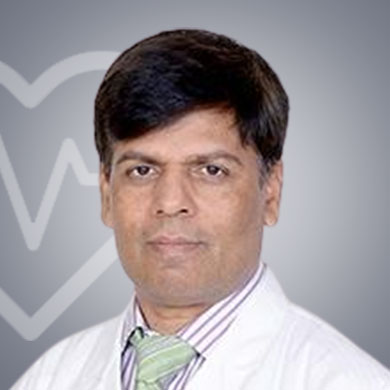
Dr. Nityanand Tripathi
Interventional Cardiologist
29 Years of Experience
With a rich experience of more than 29 years, Dr. Nityanand has gained a vast spectrum of skills and expertise in performing all types of complex cardiac procedures. He is an expert in clinical & interventional cardiology and electrophysiology. He studied his medicine (MBBS) and MD from the Institute of Medical Sciences of Banaras Hindu University, Varanasi, and later completed his DM in Cardiology from the prestigious King George Medical University, Lucknow. View More
Last Reviewed - January 2026