Corneal Dystrophies Treatment in Malaysia
- Top Accredited Hospitals
- Global Medical Standards
- Cutting-Edge Technology
- Proven Treatment Options
- High Success Rate
- Trusted by Millions

What are Corneal Dystrophies?
Corneal dystrophies are degenerative, inherited eye conditions that cause aberrant material to build up in the cornea, impairing vision and vision impairment. They can affect several corneal layers, including the epithelium, stroma, or endothelium, and are usually bilateral, affecting both eyes. Granular dystrophy, lattice dystrophy, and Fuchs endothelial dystrophy are common varieties. Depending on the type of dystrophy and how it progresses, symptoms can range from slight blurriness to severe vision loss.
What is the Importance of Timely Treatment?
It is essential to treat corneal dystrophies as soon as possible to avoid problems such as repeated corneal erosions or scarring, progressive vision loss, and persistent pain. Patients' quality of life can be enhanced and vision preserved with prompt intervention using prescription drugs, specialist contact lenses, or surgical procedures (such as corneal transplants). If therapy is postponed, irreparable harm may result, requiring more intrusive procedures.
What are the Common Symptoms of Corneal Dystrophies?
Common symptoms of Corneal Dystrophies are as follows:
- Hazy or blurry vision brought on by corneal opacities.
- Persistent irritation and agony in the eyes, particularly in the morning.
- Glare and light sensitivity (photophobia).
- Inflammation and dryness of the eyes.
- Frequent tearing or a feeling of a foreign body.
- Progressive loss of eyesight in more severe situations.
- Difficulty seeing in dimly lit areas.
Causes and Risk Factors of Corneal Dystrophies
Causes
- Genetic Mutations Most corneal dystrophies have autosomal dominant or recessive patterns and are inherited.
- Your risk is higher if close family members have the illness.
- A buildup of aberrant proteins or lipids in the cornea causes clouding and vision impairment in some dystrophies.
- Defective Corneal Cell Function Defective endothelium or epithelial cells can occasionally cause dystrophies, which impair corneal hydration and transparency.
- Unknown Causes: Although a mix of environmental and genetic variables may be involved, the exact cause of some corneal dystrophies is unknown.
Risk Factors
- There is a higher chance of inheriting corneal dystrophies if the disorder runs in the family.
- Age-Fuchs' endothelial dystrophy is one of the forms that usually gets worse with age, significantly beyond the ages of 40 to 50.
- Women are more likely to suffer from some dystrophies, such as Fuchs' dystrophy.
- Due to genetic differences, certain corneal dystrophies are more common in particular ethnic groups.
- Eye trauma, corneal diseases, or surgeries may hasten or exacerbate the onset of dystrophy.
- In people who are genetically predisposed, oxidative stress, smoking, and prolonged exposure to UV radiation may all cause corneal degeneration.
Connect with our advisor for a PRIORITY response
Latest Research and Technologies in the Treatment of Corneal Dystrophies in Malaysia
With sophisticated surgical techniques including penetrating keratoplasty, DSAEK, and DMEK accessible in major eye centers, the treatment of corneal dystrophies has advanced in Malaysia. Additionally, hospitals are investigating cutting-edge treatments like gene therapy to treat hereditary reasons, cell therapy to restore corneal function, and bioprinting to create artificial corneal tissue. These advancements demonstrate Malaysia's expanding capacity to provide both traditional and innovative ophthalmic care
Corneal Dystrophy Prevention Tips
Here are a few tips to prevent Corneal Dystrophies:
- Getting regular eye checkups might help manage symptoms before they worsen.
- Individuals with a family history of corneal dystrophies are advised to seek genetic counseling.
- Appropriate Eye Protection: Using protective eyewear can avoid injuries that could exacerbate dystrophies.
- Maintain proper eye hygiene by avoiding eye rubs and using eye drops as directed regularly.
- Healthy Lifestyle: Eating foods high in omega-3 fatty acids and antioxidants has been shown to improve eye health.
- Adhere to treatment plans; delay advancement by using prescribed drugs and lenses.
- Avoid UV light and smoking as these might hasten corneal deterioration.
Treatment options for Corneal Dystrophies
Cornea Transplant: A corneal transplant is also a possibility if your corneal damage or changes are severe enough to compromise your vision. These operations transplant your corneal tissue with corneal tissue from a donor who has passed away. Both partial and complete transplants are available.
Cost Start From USD 5000 - USD 10000Explore Options
Genetic testing, imaging methods, and clinical evaluation are needed to diagnose corneal dystrophies. Important diagnostic choices consist of:
- Slit-Lamp Examination( A thorough eye examination under a microscope to find cornea deposits, clouding, or structural irregularities.)
- Advanced imaging methods that map the corneal surface and evaluate abnormalities brought on by dystrophies are called corneal topography and tomography.
- Specular microscopy is particularly helpful in identifying Fuchs' endothelial dystrophy since it assesses the density and shape of endothelial cells.
- Confocal microscopy is a non-invasive technique for evaluating dystrophic alterations in corneal cells at the microscopic level.
- Genetic testing helps in early diagnosis and family screening by identifying mutations linked to inherited corneal dystrophies.
- Although there isn't a specific rehabilitation therapy for corneal dystrophy, a nutrient-rich diet and lifestyle changes are essential for controlling the illness and delaying its progression.
- Although there is no treatment for corneal dystrophies, medicines can help control symptoms and avoid consequences. While lubricating eye drops treat dryness, hypertonic saline lessens corneal edema. Steroids or immunomodulatory drops, such as, lower inflammation, while antibiotics guard against infections in recurring erosions. Oral analgesics or NSAIDs aid in the treatment of pain.
Instantly Connect with our Specialists


Hospitals for Corneal Dystrophies in Malaysia
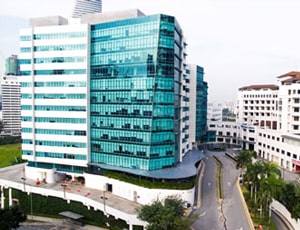
Parkway Pantai
Kuala Lumpur, Malaysia
Parkway Pantai located in Kuala Lumpur, Malaysia is accredited by JCI. Also listed below are some of the most prominent infrastructural details:
- Capacity of 335 beds
- 200+ specialist Doctors
- Critical Care Unit
- Neonatal Intensive Care Unit
- Operating Theatre
- International Patient Care Center
- Types of rooms available- Premier Suite, Supreme Suite, Deluxe Single Room, 2-bedded room, 4-bedded room, Deluxe Suite, Premier Single room, and Supreme Single room

Ara Damansara Medical Centre
Kuala Lumpur, Malaysia
Situated at the junction of Petaling Jaya and Shah Alam, close to the Oasis Ara, Ara Damansara Medical Centre boasts a serene, luxurious ambiance.
The Centre has been awarded several prestigious awards such as the Global Health Asia Pacific Awards 2023, Newsweek Best Specialized Hospital APAC 2023, Healthcare Asia Awards 2023, and Malaysian Healthcare Wellness Excellence.

ParkCity Medical Centre
Kuala Lumpur, Malaysia
In Kuala Lumpur, Malaysia, ParkCity Medical Centre is a 300-bed, cutting-edge, interdisciplinary private hospital that provides award-winning private healthcare in an environment of lush vegetation.
Our Services to better your experience
Opinion & Option
We submit the most accurate opinion and options from one or more countries for your review
Consult Privately
Consult with a certified specialist privately on our telemedicine platform even before you decide to travel
Logistics
We handle flights, visas, transfers, and accommodation—so you can focus on your health.
Recovery
Our In-house rehabilitation service packages to better your recovery and treatment outcome
Why Choose Malaysia for Corneal Dystrophies Treatment?
Malaysia's top-notch healthcare services, cutting-edge medical technologies, and affordable options are excellent for treating Corneal Dystrophies. Malaysia is a well-liked treatment destination for the following reasons:
Frequently Asked Questions
According to a study on keratoconus, a similar corneal ailment, 1.2% of patients at an eye center in Malaysia had it.
Analysing corneal dystrophies is essential to advising suitable treatment, preventing vision loss, and making an early diagnosis. It aids in developing cutting-edge medicines, including corneal transplants and gene-based therapies, identify genetic patterns, and improve treatment plans.
Yes, Untreated corneal dystrophies can result in painful erosions, corneal scarring, and progressive vision loss. In extreme situations, they could result in corneal edema, light sensitivity, and serious visual impairment. If left untreated, severe stages may necessitate corneal transplantation to alleviate discomfort and restore eyesight.
Most hospitals in Malaysia offer the following:
- Assistance in obtaining visas.
- Airport Service to and from the hospitals.
- Multilingual experts and Best accommodations services.
- Personalised treatment plans for patients from abroad.
Before choosing a recognised eye institute, research the doctor's experience, patient testimonials, hospital amenities, and availability of cutting-edge Corneal Dystrophies treatments to determine the best doctor and hospital in Malaysia for Corneal Dystrophies treatment. You can also get support by speaking with a medical tourism facilitator at mediGence to select the best doctor and facility.
Many hospitals in Malaysia have advanced equipment for identifying and treating corneal dystrophies. Early detection is aided by sophisticated diagnostic techniques such as specular microscopy, anterior segment OCT, and corneal topography. Corneal transplants, phototherapeutic keratectomy (PTK), and minimally invasive techniques like DMEK/DSEK are available as treatment alternatives. To provide patients with top-notch care, renowned eye hospitals also provide cutting-edge therapies like gene-based and personalised laser procedures.
Various research studies reported that in Malaysia, corneal dystrophy treatment has a high success rate, particularly with cutting-edge operations like corneal transplants, which have an 85–95% success rate. While current gene therapy research promises additional improvements in long-term results, early-stage treatments like medicines effectively manage symptoms.
Yes, there are highly qualified retinal experts and ophthalmologists in Malaysia who have treated Corneal dystrophies for a long time. Many specialise in retinal and corneal disorders and have received training at prestigious international universities. Malaysian medical professionals are also actively involved in global clinical trials and research about treating Corneal Dystrophies.
Depending on the treatment, recovery from corneal dystrophy surgery varies. Vision improvement for DMEK/DSEK starts in a few weeks, and it takes three to six months to recover fully. It could take up to a year for corneal transplants to fully heal and to stabilise vision. Medication and routine checkups are necessary to avoid problems and guarantee a full recovery.

Reviewer

Dr. Vidit Tripathi
ENT Surgeon
24 Years of Experience
One of the finest ENT Surgeon in New Delhi, India, Dr. Vidit Tripathi, has worked with several world class multidisciplinary hospitals over the years. Dr. Vidit Tripathi has over 24+ years of experience in his field. The specialist treats and manages a wide range of conditions such as Goiter, Radiation Necrosis in Neck, Neck Injury, Perforates Eardrum View More
Last Reviewed - January 2026