Congestive Heart Failure Treatment in Malaysia
- Top Accredited Hospitals
- Global Medical Standards
- Cutting-Edge Technology
- Proven Treatment Options
- High Success Rate
- Trusted by Millions

What is Congestive Heart Failure?
Congestive Heart Failure occurs when the heart's pumping or filling function is impaired, reducing blood flow to meet the body's needs and, in many patients, increasing pressure within the heart and blood vessels. Fluid may accumulate in the lungs, legs, abdomen, or other tissues, resulting in symptoms commonly described as congestion.
What is the Importance of Timely Treatment?
Timely diagnosis and treatment can help control symptoms, reduce fluid congestion, slow disease progression, improve functional capacity, and reduce the risk of hospitalisation and other complications. Treatment depends on the type and severity of heart failure and may include medicines, lifestyle measures, treatment of the underlying cause, implanted devices, procedures, or advanced therapies.
What are the Common Symptoms of congestive heart failure?
- Shortness of Breath: Breathlessness may occur during activity or, in more advanced cases, while resting. Some people may have difficulty breathing when lying flat.
- Fatigue and Weakness: Reduced cardiac output can cause tiredness, weakness, and reduced stamina during everyday activities.
- Swelling of the Legs and Feet: Fluid accumulation may cause swelling around the ankles, feet, lower legs, or, in some cases, the abdomen.
- Rapid Weight Gain: A sudden increase in body weight over a short period may indicate fluid retention.
- Persistent Cough or Wheezing: Fluid accumulation in or around the lungs can cause coughing or breathing-related symptoms.
- Rapid or Irregular Heartbeat: Heart failure may cause a fast, pounding, or irregular heartbeat, especially when an abnormal heart rhythm is also present.
- Difficulty Sleeping or Lying Flat: Some patients may need extra pillows because breathing becomes harder when lying down.
- Reduced Exercise Tolerance: Activities that were previously comfortable may become difficult because of breathlessness or fatigue.
Causes and Risk Factors of Congestive Heart Failure
Causes
- Coronary Artery Disease: Reduced blood flow to the heart muscle can weaken cardiac function and may lead to heart failure.
- Previous Heart Attack: Damage to heart muscle following a myocardial infarction can reduce the heart's pumping ability.
- High Blood Pressure: Long-standing hypertension can increase the heart's workload and contribute to structural and functional changes.
- Heart Valve Disease: Narrowed or leaking heart valves can place additional stress on the heart.
- Cardiomyopathy: Diseases affecting the heart muscle can impair contraction or relaxation.
- Abnormal Heart Rhythms: Persistent rapid, slow, or irregular heart rhythms can contribute to heart failure.
- Congenital Heart Disease: Structural heart abnormalities present from birth may eventually lead to heart failure.
- Myocarditis: Inflammation of the heart muscle can impair cardiac function.
- Diabetes-Related Cardiovascular Disease: Diabetes can increase the risk of coronary artery disease and other conditions associated with heart failure.
- Certain Medications or Toxins: Some cancer treatments, alcohol exposure, and other substances can damage the heart in susceptible individuals.
- Infiltrative or Genetic Heart Diseases: Conditions such as cardiac amyloidosis and certain inherited cardiomyopathies can cause heart failure.
Risk Factors
- High blood pressure
- Coronary artery disease
- Previous heart attack
- Diabetes
- Obesity
- High cholesterol
- Smoking or tobacco exposure
- Chronic kidney disease
- Older age
- Family history of cardiomyopathy or heart failure
- Heart valve disease
- Abnormal heart rhythms
- Physical inactivity
- Certain chemotherapy or other cardiotoxic treatments
- Excessive alcohol consumption
- Certain congenital or inherited heart conditions
Latest Research and Technologies in the Treatment of Congestive Heart Failure in Malaysia
- Advances in heart-failure care include improved echocardiography and cardiac MRI for assessing heart structure and function, biomarker testing for diagnosis and risk assessment, and remote monitoring for selected patients. Contemporary management also emphasises guideline-directed medical therapy, implantable devices such as cardiac resynchronisation therapy and defibrillators for eligible patients, and advanced options such as left ventricular assist devices and heart transplantation for selected patients with advanced disease. Availability varies by hospital and specialist centre.
Treatment options for Congestive Heart Failure
Cardiac Resynchronisation Therapy (CRT): A specialised pacemaker-based treatment that coordinates the contractions of the heart's ventricles. It may benefit selected patients with reduced ejection fraction, a prolonged QRS duration, and specific electrical conduction abnormalities..
Implantable Cardioverter-Defibrillator (ICD) : Device implantation tailored for primary or secondary prevention of sudden cardiac death from ventricular tachyarrhythmias.
Coronary Artery Bypass Grafting (CABG) : Open-heart surgery in which a surgeon uses a healthy blood vessel from another part of the body to route blood around the blocked artery.
Transcatheter Aortic Valve Replacement (TAVR) : Replaces a narrowed aortic valve (aortic stenosis) using a catheter threaded through an artery, usually in the groin, avoiding open-heart surgery.
Patent Ductus Arteriosus (PDA) closure : It is a procedure performed to shut an abnormal, persistent vascular channel, the ductus arteriosus, that failed to close naturally after birth.
Cost Start From 5000Explore Options
Left Ventricular Assist Device (LVAD) : A mechanical circulatory support (MCS) device that uses a battery-operated pump to help a weakened heart pump blood throughout the body. The most common device is a Left Ventricular Assist Device (LVAD), surgically attached to the left ventricle (the heart's main pumping chamber) to draw blood from the ventricle and pump it directly into the aorta.
Orthotopic Heart Transplantation : Surgery to replace a severely failing heart with a donor heart. It is considered for carefully selected patients with advanced heart failure when other treatments are insufficient and transplantation is appropriate.
- Clinical assessment:
- Medical History: Assessment includes breathlessness, fatigue, swelling, exercise tolerance, chest pain, palpitations, previous heart disease, hypertension, diabetes, kidney disease, medications, and family history.
- Physical Examination: A doctor may assess blood pressure, heart rate, heart rhythm, breathing, lung sounds, neck veins, body weight, peripheral swelling, and signs of fluid retention.
- Electrocardiogram (ECG): Evaluates heart rhythm and electrical activity and may identify a previous heart attack, conduction abnormalities, or rhythm disorders.
- Blood Tests: May assess kidney function, electrolytes, blood counts, thyroid function, glucose, liver function, and other factors relevant to heart failure.
- BNP or NT-proBNP: These cardiac biomarkers can support the diagnosis or exclusion of heart failure in appropriate clinical settings, particularly when evaluating symptoms such as breathlessness.
- Exercise Testing: Cardiopulmonary exercise testing may be used in selected patients, particularly to assess functional capacity or guide advanced heart-failure treatment.
- Imaging Tests:
- Transthoracic Echocardiography (TTE): A key test for assessing LVEF, heart chamber size, valve function, wall motion, filling pressures, and other structural abnormalities.
- Transesophageal Echocardiography (TEE): Provides more detailed images of selected cardiac structures and may be used when additional information is required.
- Imaging test
- Chest X-ray: May show pulmonary congestion, fluid accumulation, or an enlarged cardiac silhouette.
- Cardiac MRI: Provides detailed information about heart structure, ventricular function, tissue characteristics, scarring, inflammation, and certain cardiomyopathies.
- Cardiac CT: May help evaluate coronary arteries, cardiac anatomy, or selected structural conditions.
- Coronary Angiography: May be performed when significant coronary artery disease is suspected, and invasive assessment is appropriate.
- Right Heart Catheterisation: Measures pressures within the heart and pulmonary circulation and may be used in selected patients with complex or advanced heart failure.
- Left Heart Catheterisation: May assess coronary artery disease and cardiac haemodynamics in selected patients.
MediRehab (a chain of Rehab centres, part of MediGence) provides comprehensive tele-rehabilitation services to support congestive heart failure patients in Malaysia. These services include:
- Cardiac Rehabilitation: Selected patients may benefit from structured cardiac rehabilitation to improve physical capacity and support recovery.
- Gradual Physical Activity: Increase physical activity according to symptoms, heart function, treatment history, and guidance from the cardiac team.
- Exercise Conditioning: Individualised aerobic and strength-based exercise may improve functional capacity when medically appropriate.
- Breathing and Energy-Conservation Strategies: Patients with significant breathlessness may benefit from techniques that help manage activity and reduce exertional symptoms.
- Long-Term Follow-Up: Regular cardiology reviews, lab testing, imaging, and medication adjustments help monitor disease progression and treatment response.
- Medicines are selected according to the type of heart failure, ejection fraction, symptoms, blood pressure, kidney function, potassium level, heart rhythm, and associated conditions. Additional medicines may be prescribed for specific situations, including abnormal heart rhythms, angina, hypertension, iron deficiency, or other conditions associated with heart failure. Medication should be adjusted and monitored by the treating medical team.
Instantly Connect with our Specialists


Hospitals for Congestive Heart Failure in Malaysia
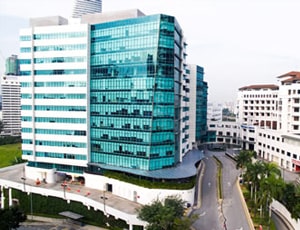
Parkway Pantai
Kuala Lumpur, Malaysia
Parkway Pantai located in Kuala Lumpur, Malaysia is accredited by JCI. Also listed below are some of the most prominent infrastructural details:
- Capacity of 335 beds
- 200+ specialist Doctors
- Critical Care Unit
- Neonatal Intensive Care Unit
- Operating Theatre
- International Patient Care Center
- Types of rooms available- Premier Suite, Supreme Suite, Deluxe Single Room, 2-bedded room, 4-bedded room, Deluxe Suite, Premier Single room, and Supreme Single room

Prince Court Medical Centre
Kuala Lumpur, Malaysia
Prince Court is a private medical facility in the center of Kuala Lumpur that has 277 individual beds. Our dedication is to provide you with the best treatment possible from the time you arrive until you depart, healthier and happier. We are well-known for our top-notch facilities, cutting-edge technology, and friendly customer service.

Ara Damansara Medical Centre
Kuala Lumpur, Malaysia
Situated at the junction of Petaling Jaya and Shah Alam, close to the Oasis Ara, Ara Damansara Medical Centre boasts a serene, luxurious ambiance.
The Centre has been awarded several prestigious awards such as the Global Health Asia Pacific Awards 2023, Newsweek Best Specialized Hospital APAC 2023, Healthcare Asia Awards 2023, and Malaysian Healthcare Wellness Excellence.
Our Services to better your experience
Opinion & Option
We submit the most accurate opinion and options from one or more countries for your review
Consult Privately
Consult with a certified specialist privately on our telemedicine platform even before you decide to travel
Logistics
We handle flights, visas, transfers, and accommodation—so you can focus on your health.
Recovery
Our In-house rehabilitation service packages to better your recovery and treatment outcome
Why Choose Malaysia for Congestive Heart Failure Treatment?
- Experienced Cardiac Specialists: Access to cardiologists, heart-failure specialists, electrophysiologists, interventional cardiologists, and cardiac surgeons.
- Advanced Cardiac Diagnostics: Major cardiac centres may provide echocardiography, advanced cardiac imaging, biomarker testing, cardiac catheterisation, and electrophysiological assessment.
- Comprehensive Medical Treatment: Patients may have access to contemporary guideline-directed heart-failure medicines and multidisciplinary treatment planning.
- Advanced Device Therapy: Selected centres provide ICD implantation, cardiac resynchronisation therapy, and other device-based treatments.
- Interventional and Surgical Care: Hospitals may provide coronary intervention, bypass surgery, valve procedures, and other treatments for underlying causes of heart failure.
- Advanced Heart-Failure Services: Complex centres may provide specialised care for patients with advanced or refractory heart failure, including evaluation for mechanical circulatory support and transplantation where available.
- Multidisciplinary Care: Cardiologists, cardiac surgeons, electrophysiologists, intensivists, nutrition specialists, physiotherapists, and rehabilitation professionals may coordinate care.
- Cardiac Rehabilitation: Structured rehabilitation and long-term follow-up may support recovery, mobility, exercise capacity, and medication adherence.
- International Patient Support: Many major Malaysia hospitals provide help with medical records, appointments, treatment coordination, accommodation, interpretation (where available), and follow-up.
Frequently Asked Questions

Reviewer

Dr. Nityanand Tripathi
Interventional Cardiologist
29 Years of Experience
With a rich experience of more than 29 years, Dr. Nityanand has gained a vast spectrum of skills and expertise in performing all types of complex cardiac procedures. He is an expert in clinical & interventional cardiology and electrophysiology. He studied his medicine (MBBS) and MD from the Institute of Medical Sciences of Banaras Hindu University, Varanasi, and later completed his DM in Cardiology from the prestigious King George Medical University, Lucknow. View More
Last Reviewed - January 2026