congenital heart disease - CHD Treatment in India
- Top Accredited Hospitals
- Global Medical Standards
- Cutting-Edge Technology
- Proven Treatment Options
- High Success Rate
- Trusted by Millions

What is a Congenital heart disease - CHD?
Congenital heart disease (CHD) is a structural problem with your heart that exists from birth. These problems, which prevent blood from flowing normally, could be:
- A hole in the wall of your heart.
- Your blood vessels may be too numerous or too few, or they may be flowing too slowly, in the wrong direction, or to the wrong location.
- Issues with the blood-flow-regulating cardiac valves.
What is the Importance of Timely Treatment?
Congenital heart disease (CHD) must be treated immediately to avoid long-term consequences such as heart failure, delayed development, and a lower quality of life.
Early intervention can guarantee normal growth and development, lower the risk of life-threatening illnesses, and enhance heart function.
Additionally, it increases the likelihood of a healthy, active life by preventing irreversible damage to the heart and lungs. The results and general health of people with congestive heart failure can be significantly improved by immediate intervention with surgery, medicine, or other therapies.
What are the Common Symptoms of Congenital Heart Disease - CHD?
Symptoms of congenital cardiac disease may not show up until later in life or may begin as soon as the infant is born. They may consist of:
- Blue lips, skin, or nails are signs of cyanosis
- Excessive lethargy
- Breathing quickly or having difficulty breathing
- Fatigue (severe exhaustion)
- Experiencing unusual fatigue or dyspnea while exercising
- A cardiac murmur is a swishing sound that could be a sign of Irregular blood flow or inadequate blood flow
- Hammering heartbeat or a weak pulse
Types of Congenital heart disease - CHD
Two primary categories of CHD exist:
- Cyanotic congenital heart disease is characterised by low blood oxygen levels.
- Obstructive lesions of the left heart: These lessen blood flow from the heart to the body.
- Right heart obstructive lesions: These lessen pulmonary blood flow, or blood flow from your heart to your lungs.
- Mixing lesions: The body combines pulmonary and systemic circulation.
- Acyanotic congenital heart disease, where the blood oxygen level is adequate.
- Heart hole: An irregular opening may be in one of your heart's walls. This may be referred to as a ventricular septal defect, patent ductus arteriosus, atrioventricular canal, or atrial septal defect, depending on where the hole is located.
- Problem with the aorta: The primary artery that transports blood from your heart to the rest of your body is the aorta.
- Problem with the pulmonary artery: For your lungs to receive oxygen, blood must travel via the pulmonary artery from the right side of your heart. This condition is known as pulmonary artery stenosis if the artery is excessively constricted.
Causes, Risk Factors and Complications of Congenital Heart Disease - CHD
Causes
It may be related to:
- Having genetic or chromosomal abnormalities that are either inherited or occur at random.
- Smoking, drinking alcohol, or being around secondhand smoke when pregnant.
- Taking prescription meds for conditions like high blood pressure, or high cholesterol while pregnant.
- Having an illness during pregnancy
Risk Factors
Among the risk factors for congenital cardiac abnormalities include:
- German measles, or rubella.
- Diabetes.
- A few medications.
- Alcohol consumption during pregnancy
- Smoking
- Genetics Congenital heart defects appear to run in families, which means they are inherited.
Complications
Possible complications of a congenital heart defect include:
- Congestive heart failure
- Infection of the lining of the heart and heart valves, called endocarditis
- Irregular heartbeats, called arrhythmias
- Slower growth and development (developmental delays)
- Stroke
- Kidney disease
- Blood clots
- Pulmonary hypertension
- Liver disease
- Speech issues
- Attention-deficit/hyperactivity disorder (ADHD)
- Mental health disorders
Connect with our advisor for a PRIORITY response
Latest Research and Technologies in the Treatment of Congenital heart disease - CHD
- The goals of current research and technology in the treatment of congenital heart disease (CHD) are to improve surgical techniques, increase early diagnosis, and create less intrusive, more effective treatments.
- Genetic testing advancements make it possible to identify CHD predispositions and implement individualised preventive measures.
- Catheter-based therapies and other minimally invasive procedures are becoming more popular since they lower risks and recovery periods.
- Furthermore, research into new medication aims to enhance heart function while minimising adverse consequences.
Congenital heart disease - CHD Prevention Tips
Here are a few essential tips to follow during pregnancy to avoid Congenital heart disease :
- Take folic acid now
- Stay active and engage in exercise
- Get early prenatal care, even before you're pregnant
- Avoid smoking and drinking alcohol
- Obtain the recommended vaccinations
- Manage your blood sugar levels
Treatment options for congenital heart disease - CHD
Balloon Angioplasty: A balloon-equipped catheter, a minimally invasive technique, is used in balloon angioplasty to unblock constricted or blocked arteries. Children with complicated congenital cardiac problems can benefit from balloon angioplasty.
Cost Start From USD 1800 - USD 3800Explore Options
Heart Transplant: A heart transplant may be required if an advanced congenital cardiac problem cannot be corrected.
Cost Start From USD 55000 - USD 65000Explore Options
Norwood procedure: Children with congenital heart abnormalities (CHD), particularly those with hypoplastic left heart syndrome (HLHS), in which the left side of the heart is undeveloped, are typically treated surgically with the Norwood procedure.
Cost Start From USD 10000 - USD 12000Explore Options
Fontan Procedure: Children with congenital heart disease (CHD), especially those with a single ventricle, a condition in which the heart has only one working pumping chamber, are treated with the Fontan Procedure.
Cost Start From USD 5000 - USD 9000Explore Options
Catheter-based repair: By passing a catheter through a blood artery and guiding it to the heart to implant a device to address the problem, catheter-based repair is a type of treatment for congenital heart disease (CHD), enabling the correction of some cardiac defects without open heart surgery.
Open Heart Surgery: To fix a congenital heart defect, a kid may require open or minimally invasive heart surgery. The particular abnormality in the heart determines the kind of cardiac surgery needed.
Congenital cardiac defects can be diagnosed using the following tests:
Pulse oximetry: A sensor applied to the fingertip measures the blood's oxygen content.
EKG, or electrocardiogram: This brief test captures the heart's electrical activity.
Echocardiogram: Sound waves produce images of the heart in motion. The flow of blood through the heart and its valves is demonstrated via echocardiography.
Chest X-ray: An X-ray of the chest reveals the state of the lungs and heart. It may indicate an enlarged heart or the presence of excess blood or other fluid in the lungs.
Cardiac catheterisation: This procedure can provide comprehensive details about blood flow and heart function.
Heart MRI, also known as a cardiac MRI: Produces finely detailed images of the heart using radio waves and magnetic fields. For the diagnosis and assessment of congenital heart abnormalities in adults and adolescents, a cardiac MRI is often performed
Congenital heart disease (CHD) rehabilitation aims to aid in healing, enhance cardiac function, and advance general health. Essential choices for rehabilitation include:
- Cardiac rehabilitation: Personalized programs that use education, counselling, and supervised exercise to increase heart health, strength, and tolerance.
- Physical therapy: It helps patients manage any physical restrictions brought on by CHD or its therapies, regain strength, and increase mobility.
- Respiratory therapy: Helps improve oxygenation and lung function, mainly if CHD has brought on respiratory problems.
Medicines for congenital heart defects include:
- Blood pressure medications
- Water pills, also called diuretics
- Heart rhythm medications
Instantly Connect with our Specialists


Hospitals for congenital heart disease - CHD in India
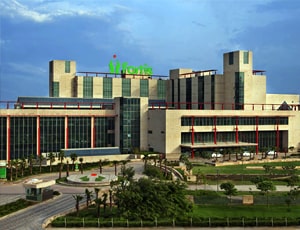
Fortis Memorial Research Institute
Gurgaon, India
Fortis Healthcare Limited stands as one of India's largest integrated healthcare providers, managing 33 hospitals across 11 states and operating more than 5,700 beds and 400 diagnostic labs. Four of our hospitals are accredited by JCI and 26 by NABH. With a workforce of over 12,500 healthcare professionals, we combine clinical excellence, a patient-focused approach, and innovation to provide high-quality, affordable, and compassionate healthcare to patients in India.
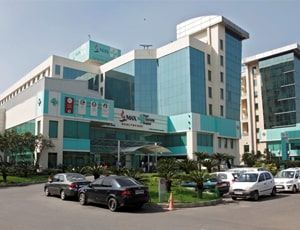
Max Super Speciality Hospital, Saket
Delhi, India
Max Smart Super Speciality Hospital, Saket, is a 250-bed tertiary care hospital awarded NABH accreditation, which provides advanced medical care in various specialities such as Cardiac Sciences, Orthopaedics, Neurology, Urology, Kidney Transplant, Paediatrics, and Obstetrics & Gynaecology. The hospital provides quality, safe, integrated, and patient-centric medical care using modular OTs, ICUs, Cath Labs, CT, MRI and Dialysis units.

Clear Medi Hospital, Karkardooma
Delhi, India
Clear Medi Hospital, Karkardooma located in New Delhi, India is accredited by ISO. Also listed below are some of the most prominent infrastructural details:
- There are 12 Linear Accelerators in all hospitals of Clear Medi Hospital, Delhi, India and more in the development stage.
- Over 25 surgical and medical specialties across all Clear Medi Hospitals
- Care Medi is one of the biggest Oncology care organisations in India.
- Hospital management solutions provided to over 15 partner healthcare organisations managing more than 300 beds.
- The organisation consists of offerings such as clinical manpower management and equipment management.
- Advanced radiology and nuclear medicine centres
- Professionally managed international patient care
- Clear Medi Hospital, Delhi has a capacity of 100 beds.
- Clear Medi is a multispecialty hospital.
- It is a NABH (National Accreditation Board for Hospitals & Healthcare providers) certified hospital.
- It has Oncology and Cardiac departments with an Intensive Care Unit.
- It also has fully equipped Operation Theatres.
- Clear Medi Hospital ensures coordination with patients and International Patient assistance
- It has an online Tumor Board with a number of Medical, Surgical and Radiation Oncologists.
Our Services to better your experience
Opinion & Option
We submit the most accurate opinion and options from one or more countries for your review
Consult Privately
Consult with a certified specialist privately on our telemedicine platform even before you decide to travel
Logistics
We handle flights, visas, transfers, and accommodation—so you can focus on your health.
Recovery
Our In-house rehabilitation service packages to better your recovery and treatment outcome
Why Choose India for Congenital Heart Disease - CHD?
Here are some of the reasons for choosing India:
- Due to advancements in medical facilities, such as minimally invasive surgical techniques.
- World-class experts include highly experienced doctors, JCI, and NABH-accredited healthcare institutions.
- Compared to other countries, treatment in Indian hospitals is cost-effective.
- Indian hospitals provide International patient services, including a multilingual support system.
- Improved treatment methods and biological therapies.
Frequently Asked Questions
Congenital heart disease patients' outlook is dependent upon the nature and severity of their condition. Many persons with congenital heart disease (CHD) lead long, mostly everyday, and satisfying lives, even though severe cases can be fatal.
Nowadays, 90% of people survive because of improvements in diagnosis and treatment.
Although there isn't a "cure" for congenital heart disease (CHD), most diseases can be controlled or fixed using surgery, catheter-based procedures, medication, or a combination of treatments, which can improve outcomes and quality of life.
It is essential to provide children with emotional support, make sure they see a pediatric cardiologist regularly, and assist them in sticking to any treatment or medication schedules. Providing psychological support and promoting age-appropriate physical activities are also beneficial.
In India, congenital heart disease (CHD) therapy generally has a success rate, especially in reputable hospitals and medical facilities. Success rates for surgery and catheter-based treatments usually fall between 90% and 98%, and many patients have great results. For CHD patients to have successful long-term outcomes, early diagnosis and immediate treatment are essential.
Lifestyle changes may be advised if your child has a congenital heart defect to maintain heart health and avoid problems.
- Limitations on sports and activities: Exercise and sports participation may need to be reduced for confident kids with congenital heart defects. Many people with congenital heart defects, however, can engage in these kinds of activities.
- Antibiotics for prevention: Infectious endocarditis, an infection of the heart valves or heart lining, can be made more likely by specific congenital heart abnormalities. Before dental treatments, antibiotics may be advised to prevent infection, particularly in patients with mechanical heart valves.
Yes, standard prenatal ultrasounds or specialised testing like fetal echocardiography can frequently identify congenital heart disease (CHD), especially if there is a family history of heart issues.
Not all CHD cases require surgery. Medication may be used to treat minor problems, but surgery may be needed to address more serious ones.

Reviewer

Dr. Akash Khandelwal
Hematologist
9 Years of Experience
Dr. Akash Khandelwal is a distinguished Hematologist, Hemato-oncologist, and Bone Marrow Transplant (BMT) Physician with extensive training from the prestigious AIIMS New Delhi. His expertise encompasses a wide range of specialized techniques in bone marrow transplantation, including autologous and allogeneic transplants such as matched sibling donors, matched unrelated donors (MUD), and haploidentical donor transplants. Dr. Khandelwal has personally supervised and conducted over 100 bone marrow transplants. View More
Last Reviewed - January 2026