Choledocholithiasis Treatment in Malaysia
- Top Accredited Hospitals
- Global Medical Standards
- Cutting-Edge Technology
- Proven Treatment Options
- High Success Rate
- Trusted by Millions

What is Choledocholithiasis?
Choledocholithiasis is the presence of one or more gallstones in the common bile duct (CBD). These stones may form in the gallbladder and migrate into the bile duct or, less commonly, develop directly within the bile ducts. A blocked bile duct can interfere with bile flow and may lead to jaundice, cholangitis or pancreatitis.
What is the Importance of Timely Treatment?
Timely diagnosis and treatment can help relieve bile duct obstruction and reduce the risk of complications such as acute cholangitis, obstructive jaundice and gallstone pancreatitis. When bile duct stones are confirmed, stone removal is generally recommended for patients who are fit to undergo treatment.
What are the Common Symptoms of Choledocholithiasis?
- Severe or intermittent upper abdominal pain
- Pain that may radiate to the back or right shoulder
- Jaundice or yellowing of the skin and eyes
- Dark urine and pale stools
- Nausea and vomiting
- Fever and chills, particularly when cholangitis develops
- Itching associated with obstructive jaundice
Causes and Risk Factors of Choledocholithiasis
Causes
- Migration of gallstones: Stones formed in the gallbladder can pass into the common bile duct.
- Primary bile duct stones: Stones may occasionally form within the bile ducts.
- Biliary obstruction: Narrowing or abnormalities of the bile ducts can promote stone formation.
- Biliary stasis: Reduced bile movement may contribute to stone development.
- Previous biliary procedures: Certain procedures or anatomical changes can increase the risk of recurrent bile duct stones.
Risk Factors
- Gallstones or previous gallstone disease
- Increasing age
- Obesity and metabolic risk factors
- Previous biliary surgery or procedures
- Conditions causing bile duct narrowing or obstruction
- Previous history of common bile duct stones
Latest Research and Technologies in the Treatment of Choledocholithiasis in Malaysia
Advances in the treatment of choledocholithiasis (bile duct stones) include improved diagnostic imaging, endoscopic retrograde cholangiopancreatography (ERCP), and specialised techniques for removing large or difficult stones. Magnetic resonance cholangiopancreatography (MRCP) and endoscopic ultrasound (EUS) can help detect stones when initial imaging is inconclusive. During ERCP, techniques such as large-balloon dilation and cholangioscopy-guided laser or electrohydraulic lithotripsy can help remove complex stones. In Malaysia, the availability of advanced endoscopic procedures varies by hospital and specialist expertise. Early treatment is important when stones cause bile duct obstruction or infection.
Treatment options for Choledocholithiasis
ERCP with stone extraction : A minimally invasive procedure used to access the bile duct and remove stones.
Cost Start From 1600Explore Options
Endoscopic sphincterotomy: The opening of the bile duct may be carefully enlarged to facilitate stone removal.
Balloon dilation: Large-balloon dilation may be used with sphincterotomy for selected large or difficult stones.
Cholangioscopy-guided lithotripsy: Laser or electrohydraulic energy can fragment difficult stones before extraction.
Laparoscopic cholecystectomy: Removal of the gallbladder is generally considered when gallstones are the underlying source, helping reduce recurrent biliary events.
Biliary stenting: A temporary stent may be placed when stones cannot be removed immediately, and biliary drainage is required.
- Clinical assessment:
- Medical History: The doctor reviews abdominal pain, jaundice, previous gallstones, fever, vomiting and previous biliary procedures.
- Physical Examination: The doctor may look for abdominal tenderness, jaundice, fever, and other signs of biliary obstruction or infection.
- Liver Function Tests: Bilirubin and liver enzymes can help identify abnormalities associated with bile duct obstruction.
- Pancreatic Enzymes: Assess amylase and lipase when gallstone pancreatitis is suspected.
- Risk Assessment: Combine symptoms, laboratory findings, and imaging results to determine the likelihood of common bile duct stones and the need for further testing.
- Imaging Tests:
- Abdominal Ultrasound: Usually one of the initial imaging tests for suspected gallstone disease and may show bile duct dilation or gallstones.
- MRCP: Magnetic resonance cholangiopancreatography provides detailed, non-invasive images of the bile ducts and can help detect stones.
- Endoscopic Ultrasound (EUS): EUS can provide high-resolution images of the bile duct and detect stones that may not be clearly visible on conventional ultrasound.
- ERCP: Although primarily therapeutic, ERCP can directly visualise the bile ducts and is used to remove confirmed stones when indicated.
- CT Scan: CT may be used when complications or alternative causes of abdominal pain are suspected, although it is not always the first-line test for bile duct stones.
- Medicines do not usually remove established common bile duct stones. They may manage pain, nausea, infection, or complications while definitive treatment is planned. Antibiotics are particularly important when acute cholangitis is present, while intravenous fluids and supportive treatment may be required in patients with significant vomiting, dehydration or pancreatitis.
Instantly Connect with our Specialists


Hospitals for Choledocholithiasis in Malaysia
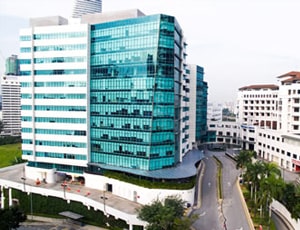
Parkway Pantai
Kuala Lumpur, Malaysia
Parkway Pantai located in Kuala Lumpur, Malaysia is accredited by JCI. Also listed below are some of the most prominent infrastructural details:
- Capacity of 335 beds
- 200+ specialist Doctors
- Critical Care Unit
- Neonatal Intensive Care Unit
- Operating Theatre
- International Patient Care Center
- Types of rooms available- Premier Suite, Supreme Suite, Deluxe Single Room, 2-bedded room, 4-bedded room, Deluxe Suite, Premier Single room, and Supreme Single room

Sunway Medical Centre
Kuala Lumpur, Malaysia
Sunway Medical Centre has initiated a comprehensive expansion plan close to its current hospital facility to enhance its ability to provide services to the global market. The new Cancer Radiosurgery Center and Nuclear Medicine Center, which will also house additional Centers of Excellence like the Digestive Health Center and Dialysis Center, marked the completion of Tower C's first phase in October 2016.

Prince Court Medical Centre
Kuala Lumpur, Malaysia
Prince Court is a private medical facility in the center of Kuala Lumpur that has 277 individual beds. Our dedication is to provide you with the best treatment possible from the time you arrive until you depart, healthier and happier. We are well-known for our top-notch facilities, cutting-edge technology, and friendly customer service.
Our Services to better your experience
Opinion & Option
We submit the most accurate opinion and options from one or more countries for your review
Consult Privately
Consult with a certified specialist privately on our telemedicine platform even before you decide to travel
Logistics
We handle flights, visas, transfers, and accommodation—so you can focus on your health.
Recovery
Our In-house rehabilitation service packages to better your recovery and treatment outcome
Why Choose Malaysia for Choledocholithiasis Treatment?
- Experienced Gastroenterologists: Malaysia hospitals have gastroenterology specialists experienced in diagnosing and treating bile duct stones and related complications.
- Advanced Endoscopy: Specialized centres offer ERCP, EUS and other advanced endoscopic procedures for diagnosis and minimally invasive stone removal.
- Modern Lithotripsy Techniques: Selected centres provide cholangioscopy-guided laser or electrohydraulic lithotripsy for large or difficult bile duct stones.
- Multidisciplinary Care: Gastroenterologists, hepatobiliary surgeons, radiologists, and other specialists can manage complex cases.
- International Patient Support: Many Malaysia hospitals provide medical tourism services such as medical record review, specialist appointments, treatment coordination and assistance with travel-related arrangements.
