Chiari Malformation Treatment in Thailand
- Top Accredited Hospitals
- Global Medical Standards
- Cutting-Edge Technology
- Proven Treatment Options
- High Success Rate
- Trusted by Millions

What is Chiari Malformation?
Chiari malformation occurs as a structural defect of the brain where part of it, namely the cerebellum, extends down into the space surrounding the lower part of the spinal canal. Normal brain and spinal cord functions are then impeded, and one develops neurological symptoms. Several types of Chiari malformations exist, with variable severity of their symptoms, depending on which type and how much cerebellum continues to herniate into the spinal canal.
What is the Importance of Timely Treatment?
Compression of the brain and spinal cord could worsen without proper treatment; Chiari malformation will, therefore, cause headaches, imbalance, muscle weakness, etc., to appear and intensify with time. It can even help avoid some complications, hence an early treatment.
Hydrocephalus
It is an accumulation of cerebrospinal fluid in the brain, and syringomyelia, a cyst or cavity in the spinal cord, among others, could result from severe complications if Chiari Malformation is not addressed. These would be prevented or minimised with proper treatment at the right time.
Enhances Quality of Life
Treating Chiari malformation can improve functionality, minimise chronic pains like headaches or neck pains, and improve balance and coordination, which are significant contributors to life.
Aviates Long-Term Neurological Damages
Severe compression by the brain stem or spinal cord might lead to permanent neurological disabilities like swallowing and speech or difficulties with moving permanently. The more, the sooner the damage will occur.
Allows for Less Invasive Treatment Options
In some cases, if Chiari Malformation is caught early, it may be managed with less invasive treatments, such as lifestyle adjustments, physical therapy, or medication to alleviate symptoms. Delaying treatment could require more invasive measures like later surgery.
What are the Common Symptoms of Chiari Malformation?
- Headaches, especially at the back of the head
- Neck pain
- Dizziness
- Balance and coordination problems
- Muscle weakness
- Vision problems
- Numbness or tingling
- Difficulty swallowing or speaking
Causes and Risk Factors of Chiari Malformation
Causes
- Genetic Factors
- Developmental Abnormalities
- Spina Bifida
- Trauma or Injury
- Cerebrospinal Fluid (CSF) Obstruction
- Arnold-Chiari Malformation
Risk Factors
- Ehlers-Danlos syndrome, Marfan syndrome, and Klein-Waardenburg syndrome.
- Gender (More typical in females)
- Conditions like hydrocephalus, spina bifida, or syringomyelia
- Structural Brain Abnormalities
- Obesity
Connect with our advisor for a PRIORITY response
Latest Research and Technologies in the Treatment of Chiari Malformations in Thailand
Advanced Imaging and Diagnostics
Beyond diagnosing, high-definition imaging could also assess the degree of cerebellar herniation and other associated anomalies, thus guiding precise treatment planning.
Minimally Invasive Surgical Techniques
Such hospitals in Thailand perform minor invasive posterior fossa decompression procedures to relieve symptoms. All of these improved rehabilitation progress and patient outcomes by reducing time for recovery and risks during surgeries.
Multidisciplinary Treatment Approach
Neurosurgeons, neurologists, and rehabilitation specialists form a strong collaborative team towards comprehensive patient treatment to utilise surgical and non-surgical interventions effectively.
Accredited Hospitals
Those would be world-class hospitals which could handle the specialised neurological care offered using technologically advanced and modern tools to treat the arising conditions of Chiari malformations.
Medical Training and Research
Thailand continues clinical research to treat Chiari malformation better. Training programs are continuous, constantly updating healthcare professionals with new advancements.
Chiari Malformation Prevention Tips
The risk of Chiari Malformations is reducible through lifestyle modifications and preventive practices despite unalterable risk variables such as age and gender.
Posture
Good posture can prevent unnecessary strain on the spine. This would include sitting, standing, and sleeping in ways that support the spine's natural curvature.
Minimise the Chances of Spinal Injury
Avoid activities or accidents that could exacerbate the Chiari malformation, especially in individuals with this malformation. It is essential to avoid contact sports or high-risk activities that can cause head and neck trauma in patients with Chiari malformation.
Family History
Early detection with advanced imaging, such as MRI, can prevent severe neurological damage and allow for better management of the condition.
Genetic Screening
Chiari malformation has been associated with some genetic diseases, including Ehlers-Danlos and Marfan syndrome.
Practice of Healthy Pregnancy
For pregnant women, a healthy pregnancy can also minimise the possibility of congenital brain and spinal disorders in the child.
Periodic Medical Consultations and Observation
Regular follow-up can lead to discovering changes or complications before they worsen.
Knowledge about symptoms
These include head, neck ach, dizziness and issues with balance, leading to detection on time. They can exacerbate symptoms from a compressed spinal cord as well.
Treatment options for Chiari Malformation
The medical treatment for Chiari Malformations requires evaluating the fracture severity, neural involvement, and patient medical condition. The treatment approaches consist of the following elements:
Posterior Fossa Decompression: This is the most common surgical procedure, where part of the skull and sometimes a portion of the cervical spine is removed to provide more space for the brainstem and cerebellum. This procedure aims to relieve pressure and restore normal CSF flow.
Duraplasty: Sometimes performed along with posterior fossa decompression, duraplasty involves widening or repairing the dura, the protective covering around the brain and spinal cord, to allow more space for the brainstem and cerebellum.
VP Shunt : When the Chiari malformation results in hydrocephalus, where the fluid within the brain has increased, it requires VP shunting or endoscopic third ventriculostomy to allow the draining of excess fluid and alleviate intracranial pressure.
Cost Start From USD 10000 - USD 14000Explore Options
Endoscopic-assisted surgery is the latest innovation in utilising smaller incisions and specially designed instruments. Thus, recovery becomes fast, and the chances of infection also decrease.
Robot-assisted surgery: For complex or high-risk cases, robot-assisted surgery provides higher precision and improved visualisation of delicate brain and spinal column structures, providing the best results with minimal risk.
Spinal Fusion : Spinal fusion surgery is a surgical procedure in which two or more vertebrae of the spine are permanently joined. It can correct abnormalities in the spine, alleviate pain, and increase mobility.
Cost Start From USD 12000 - USD 17000Explore Options
These are the standard diagnostic methods for diagnosing Chiari Malformations:
Clinical Evaluation
- History and Symptoms: During the assessment, the physician needs to complete information about the injury and evaluate symptoms of back pain, numbness, and weakness to determine spinal cord involvement.
- Physical Examination: Physical check-ups examine spinal nerves and nerve compression and evaluate the spine tenderness levels.
Imaging Studies
- X-rays (Radiographs): These tests provide vital information about vertebral bone fractures, displacement of bones, and difficulties with spinal position.
- CT Scan (Computed Tomography): The technique displays original bone structures in a three-dimensional format to calculate the extent of vertebrae compression and fracture.
- MRI (Magnetic Resonance Imaging): This method shows providers detailed pictures of soft tissues to investigate compression or swelling.
- Cerebrospinal Fluid (CSF) Flow Studies: CSF flow studies are usually conducted using an MRI scan. These studies measure the flow of cerebrospinal fluid around the brain and spine. When there is a disruption of the CSF flow, it might confirm the diagnosis of Chiari malformation with associated hydrocephalus or syringomyelia.
- Neurological Examination: A comprehensive neurological examination assesses motor strength and function, reflexes, coordination, and sensory functions. Symptoms such as weakness, numbness, or difficulties in balance or swallowing have been associated with Chiari malformation.
MediRehab (a chain of Rehab centres, part of MediGence) provides comprehensive rehabilitation services to support patients through Teleconsulations and online therapy sessions.
- Physical and Occupational Therapy: Muscle strengthening, posture correction, and coordination improvement to relieve pain, dizziness, and motor skill impairments.
- Pain Management: Medications, injections, and nerve blocks control chronic pain, muscle spasms, and nerve pain.
- Psychological Support: Counseling, Cognitive Behavioral Therapy (CBT), and relaxation techniques to address emotional distress, anxiety, and stress related to Chiari malformation.
- Specialised Therapies: Water therapy, vestibular rehab, and speech/swallowing to help improve mobility/ambulation, balance, and communication.
- Post-Surgical and Lifestyle Support: Post-op rehab for recovery of strength, neuroplasticity, education, and lifestyle adjustments such as exercise and nutrition management for improved long-term health.
An individual with a Chiari Malformation requires medication therapy, including analgesics. Supplements with calcium and vitamin D help healing processes through medical support.
Instantly Connect with our Specialists


Hospitals for Chiari Malformation in Thailand

Krabi Nakharin International Hospital
Krabi, Thailand
Krabi Nakharin International Hospital located in Krabi, Thailand is accredited by JCI. Also listed below are some of the most prominent infrastructural details:
- Capacity of Imported electronically adjustable 100 beds
- Housing Facility in VIP Rooms, Deluxe Rooms, Superior Rooms, 2-Beds room, 9-Beds room
- All rooms are fully equipped with Smart TV, Refrigerator with soft drinks, Wi-fi, sofacumbed, personal nurse call system, telephone for local & international calls, Microwave,
- Main meals and snacks are also included
- Medical Technology includes- 64-slice CT scan, MRI, Fluoroscopy Examination, Digital Mammogram, Computed Radiography and 4D-Ultrasound
- 14 Treatment Centers and Clinics
- 24*7 Intensive Care Unit (ICU)
- Outpatient Department (OPD)
- Emergency Department
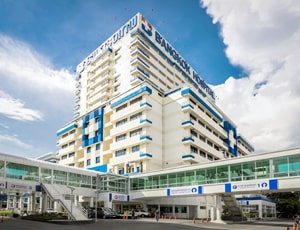
Bangkok Hospital
Bangkok, Thailand
Bangkok Hospital located in Bangkok, Thailand is accredited by JCI. Also listed below are some of the most prominent infrastructural details:
- It is recognised for the application of the newest healthcare technology.
- Blood analysis center that is not just the best in Thailand but in Asia Pacific as well.
- Biomolecule center that is the seed of healthcare equipment for Thailand and overseas.
- International affiliations and collaborations with universities and hospitals in Japan and the United States of America.
- 11 hospitals are recognised as Centers of Excellence.
- Known excellence in Trauma, Orthopedics, Cardiovascular, Neurology as well as Cancer Care.
- There is a proper streamlined patient services process followed in Bangkok Dusit Medical Services, Bangkok, Thailand.
- A well developed research center showcases the intent of the organisation to provide research based treatment opportunities to the patients.
- The group has several Medical industry partnerships as well to ensure healthcare solutions.

Vejthani Hospital
Bangkok, Thailand
Vejthani Hospital located in Bangkok, Thailand is accredited by NABH, NABL. Also listed below are some of the most prominent infrastructural details:
- It is among the topmost private hospitals functioning in Thailand.
- The bed capacity of the hospital is 263.
- There are more than three hundred thousand patients visiting the hospital every year.
- Vejthani hospital has more than 40 outpatient clinics and centers.
- International patient care center with all kinds of services: air ambulance, transfers, travel, stay, embassy liaison, patient coordinators, prayer rooms, visa coordination and translators for 20 languages.
- The special facilities are:
- International Certified Laboratory
- 10 Operating Rooms
- Radiology Section: Portable X-ray, CT-scan and C-ARM and MRI
- Neonatal Critical Care Unit
- Water-jet technique applied for liposuction
- Computer navigation and mini-invasive technique for Joint Replacement surgery
Our Services to better your experience
Opinion & Option
We submit the most accurate opinion and options from one or more countries for your review
Consult Privately
Consult with a certified specialist privately on our telemedicine platform even before you decide to travel
Logistics
We handle flights, visas, transfers, and accommodation—so you can focus on your health.
Recovery
Our In-house rehabilitation service packages to better your recovery and treatment outcome
Why Choose Thailand for Chiari Malformation Treatment?
Several advantages exist for choosing Thailand as the destination for Chiari Malformation treatment.
Effective Cost
The cost of medical treatment in Thailand proves more economical than Western pricing yet remains equivalent to high-end treatment standards. The treatment path covers operative steps and follows all post-surgical phases.
World-Class Infrastructure
The healthcare system in Thailand operates multiple facilities accredited at the international level, which combine highly experienced orthopaedic surgeons who receive patients with complicated spine injuries, including Chiari Malformations.
Advanced Technology
The diagnosis and treatment in Thai medical centres benefit from state-of-the-art equipment and cutting-edge procedures, including minimally invasive surgical methods and robotic-assisted solutions.
Skilled Specialist
Doctors specialising in orthopaedics and neurosurgery are in high numbers throughout Thailand; medical specialists possess international recognition for their outstanding spinal treatment capabilities.
Language Support
Hospitals in Thailand offer multilingual support to fulfil international patient needs by assisting in numerous country languages.
Frequently Asked Questions
There are four types of Chiari malformations: Type I is the most common type, Type II occurs with spina bifida, Type III is more serious, and Type IV is rare and very serious.
Yes, apart from surgery, patients can find relief through various non-surgical treatments such as physical therapy, pain management, and lifestyle modification in mild cases.
These internationally trained neurosurgeons in Thailand have experience and knowledge of performing advanced procedures for Chiari malformations through modern techniques.
Most patients spend 3-7 days in the hospital adjusting to conditions that may take them to full recovery for several weeks to months to ensure that they have undergone rehabilitation after surgery.
Most patients experience a reduction in symptoms and an increase in their quality of life, suggesting high success rates. Studies indicate that decompression surgery reduces symptoms for about 80-90% of cases.
In severe conditions, if left untreated or poorly managed, Chiari malformations could eventually lead to long-term neurological damage, and proper management and early intervention can prevent permanent disability.
In some instances, Chiari malformation can be inherited, indicating a genetic susceptibility. However, it is not all hereditary.
Symptoms and quality of life can be managed through regular low-impact exercise, a healthy diet rich in anti-inflammatory foods, stress management, and proper posture.
Recovery time is variable, but most patients take several weeks to months to fully recover from posterior fossa decompression surgery, with gradual improvement in symptoms over time.
Like every surgery, the risks include infection, bleeding, and anaesthesia complications. Long-term dangers of repeating the symptoms or requiring additional surgical procedures can be observed.
Chiari malformation is not preventable, and the best option for this patient to control symptoms such as those depicted above could be early detection coupled with proper medical management.

Reviewer

Dr Sonal Gupta
Neurosurgeon
29 Years of Experience
Dr. Sonal Gupta has an experienced neurosurgeon with more than 29+ years of clinical expertise. She is currently the Director, Neuro & Spine Surgery at Fortis Hospital, Shalimar Bagh. Before joining Fortis, she has been associated with various organizations such as Maharaja Agrasen Hospital, Action Balaji Hospital, and Max Hospital. View More
Last Reviewed - January 2026