Cervical Herniated Disc Treatment in Turkey
- Top Accredited Hospitals
- Global Medical Standards
- Cutting-Edge Technology
- Proven Treatment Options
- High Success Rate
- Trusted by Millions

What is Cervical Spondylosis?
The condition known as cervical spondylosis describes the age-related degeneration of neck spine anatomy, primarily affecting vertebrae bones, spinal discs, and ligaments. Cervical osteoarthritis is also known as neck arthritis and cervical spondylosis. The condition leads to cervical spondylosis symptoms that include spasms and pain, which might further develop into nerve compression conditions when neck changes affect spinal nerves or the spinal cord.
What is the Importance of Timely Treatment?
Medical intervention for cervical spondylosis and cervical herniated discs must be performed right away due to multiple compelling reasons.
Prevents Further Damage
When complications of degeneration advance untreated, they can result in continuous pain together with nerve destruction along with diminished arm and hand function, including weakness and numbness.
Reduces Pain and Discomfort
Patients receiving early medical care experience minimised inflammation and muscle relaxation through medications, physical therapy, or alternative non-invasive approaches that help stop long-term pain development.
Improves Quality of Life
By treating symptoms immediately, you will have an easier time maintaining your work activities and hobbies and preventing long-term stiffness and pain.
Prevents Complications
Conditions such as herniated discs or cervical spondylosis may evolve into spinal cord inclusion along with nerve compression, which may cause coordination failure and problems with walking alongside bladder or bowel dysfunction in extreme situations.
Avoids the Need for Surgery
Early utilisation of physical therapy in combination with medication alongside lifestyle modifications usually prevents patients from requiring surgical intervention.
Faster Recovery
Treatment processes begin earlier when the root causes are identified; this approach achieves full recovery because complications have not yet developed. Delaying treatment can make recovery more difficult and prolonged.
What are the Common Symptoms of Cervical Spondylosis?
- Neck Pain and Stiffness
- Radiating Pain
- Numbness or Tingling
- Weakness in the Arms or Hands
- Headaches
- Loss of Balance or Coordination
- Pain with Certain Movements
- Reduced Range of Motion
Causes and Risk Factors of Cervical Spondylosis
Causes
- Age-Related Degeneration
- Disc Degeneration
- Formation of Bone Spurs (Osteophytes)
- Thickening of Ligaments
- Spinal Canal Narrowing (Spinal Stenosis)
Risk Factors
- Age
- Genetics
- Poor Posture
- Repetitive Movements or Overuse
- Previous Neck Injury
- Obesity
- Smoking
- Sedentary Lifestyle
- High-Impact Sports or Activities
Connect with our advisor for a PRIORITY response
Latest Research and Technologies in the Treatment of Cervical Spondylosis in Turkey
Innovation in Turkey concerning surgical techniques and treatments for cervical spondylosis significantly improves the condition of patients after suffering from it. Such procedures include anterior cervical discectomy and fusion (ACDF), which relieves nerve pressure and stabilises the spine. Cervical disc arthroplasty is helpful for neck movement with degenerative disc problems. New underlying therapies,such as high-frequency laser therapy, have emerged as options in non-invasive methods of reducing pain due to cervical disc herniation. All these high-tech advances show that Turkey adheres to the principle of having the latest methodology in treating cervical spondylosis.
Cervical Spondylosis Prevention Tips
These strategies help prevent herniated disc development in the cervical spine:
- Regular stretching exercises help build muscle strength, providing better support to the cervical spine.
- The neck experiences increased pressure from body weight whenever people carry excessive body fat, mainly when the weight accumulates in their abdominal area. A proper diet, together with regular physical activity, helps control weight, resulting in reduced stress throughout the cervical spine.
- A supportive, firm mattress should be your choice when sleeping because it properly aligns your spine. Do not sleep in the stomach position since it creates unwanted strain on the neck.
- Sudden neck-jerking actions should be avoided because they strain discs and neck muscles.
- The health of intervertebral discs requires enough hydration because these flexible pads depend on water to function as shock absorbers. Daily water consumption should include enough fluids to maintain spinal health.
- Smoking cessation through cardiovascular improvement will lower your chances of acquiring cervical spondylosis.
Treatment options for Cervical Herniated Disc
The medical treatment for cervical spondylosis depends on the condition's level of severity and may consist of either non-surgical solutions or surgical procedures. People with cervical spondylosis can use the following treatments:
Non-surgical therapy includes medications for pain relief, therapeutic exercises and traction, and lifestyle modification methods to bolster neck strength and improve posture.
Artificial Disc Replacement: When the disc undergoes severe damage, the medical procedure involves substituting the disc with a synthetic component. This procedure protects the natural movement of the neck because fusion surgery would cause its loss.
Cost Start From USD 14000 - USD 25000Explore Options
Clinical Evaluation
- History and Symptoms: During the assessment, the physician must complete information about the injury and evaluate symptoms of neck pain, numbness, and weakness to determine spinal cord involvement.
- Physical Examination: During an examination, doctors will evaluate the signs which present as pain combined with stiffness while testing the neck's range of motion.
Imaging Studies
- X-rays (Radiographs): These tests provide vital information about degeneration, alignment issues, or narrowing of the spaces between vertebrae.
- CT Scan (Computed Tomography): The technique displays original bone structures in a three-dimensional format to calculate the extent of disc herniation.
- MRI (Magnetic Resonance Imaging): This method shows providers detailed pictures of soft tissues to investigate the herniated discs.
- Myelogram: A contrast dye is deposited into the spinal canal during a lumbar puncture before performing X-ray or CT scanning for improved spinal cord imaging and nerve root visualisation.
- Myelography: In this, a contrast dye is injected into the spinal canal to obtain X-ray or CT images that show the effects of cervical spondylosis on the spinal cord and nerve roots.
- Electromyography (EMG): The test provides critical information to define nerve function impairments and detect nerve vitalities, including weakness or tingling sensations.
- Bone Scintigraphy (Bone Scan): Rarely does a bone scan help identify active areas in cervical spine bones by detecting their higher activity, though such scans are infrequently needed. The procedure aids doctors by revealing signs of spinal cord and nerve root degeneration at its initial stages.
MediRehab (a chain of Rehab centres, part of MediGence) provides comprehensive rehabilitation services to support patients in Turkey. Additional services are as per the patient's requirement. These services include:
- Physical therapy aims to decrease pain and increase mobility while targeting neck flexibility through strengthening exercises that improve posture and manually treat the area.
- Using cold compresses and heat therapy brings two benefits to cervical extension injury patients: inflammation reduction through cold therapy and muscle relaxation and blood circulation improvement through heat therapy.
- Traction through cervical devices and spinal manipulations helps decrease disk pressure at the nerve sites while improving spinal ability.
- Deep tissue massage and acupuncture are beneficial since they lower muscle tension and help deliver pain reduction.
- A Soft Collar or Neck Brace provides temporary support, especially when experiencing intense pain. Its main benefit during recovery is restricting spinal movement, easing the strain on healing neck tissues.
Pain relievers, muscle relaxants, and nerve pain medications are Cervical Spondylosis treatments since they minimise pain and inflammation, alleviate muscle spasms, and address nerve discomfort.
Instantly Connect with our Specialists


Hospitals for Cervical Herniated Disc in Turkey

Medicana Camlica Hospital
Istanbul, Turkey
Medicana Camlica Hospital located in Istanbul, Turkey is accredited by JCI. Also listed below are some of the most prominent infrastructural details:
- 150 bedded Hospital
- Specialty-based clinics
- Fully-equipped patient rooms

Hisar Intercontinental Hospital
Istanbul, Turkey
Architecture of the Hospital designed as per the comfort of patients-
- Consisting of 8 floors, 212 bed capacity
- 75m2 suite rooms
- 35 thousand m2 closed area
- 7 operating rooms
- 53 polyclinics
- 54 Departments
- Hotel-like patient rooms
- Intensive care units consisting of 33 beds
- Hyperbaric Oxygen Center inside the hospital
- PYXIS computerized medicine system working with fingerprint
- Social waiting areas
- Indoor and Outdoor Cafeterias & Restaurants

Florence Nightingale Hospital
Istanbul, Turkey
The first green hospital in Turkey, Istanbul Florence Nightingale Hospital, was inaugurated in 2013. Group The Florence Nightingale hospitals are the first Turkish hospitals to be granted Joint Commission International (JCI) accreditation, and they continue to be associated and work with esteemed healthcare organizations.
The Florence Nightingale Group treats 250,000 outpatients and 70,000 inpatients annually, demonstrating its excellence. The hospitals have a capacity of 804 inpatient beds, 141 ICU beds, and 40 operating rooms, and perform 20,000+ procedures annually, of which 1,000 are cardiac operations for children and 2,000 are for adults. For conducting difficult orthopedic, general surgery, minimally invasive, and other heart treatments, the facility stands out. All operating rooms can be interconnected by audio-visual to a 300-person conference room and global hubs, enabling interactive medical teaching and scientific activity.
Interpreter and translator services for languages such as Turkish, Azerbaijani, Bulgarian, Arabic, English, Persian, Serbian, Russian, Albanian, Macedonian, German, Bosnian, and Romanian are available.
The hospital has specialized departments such as Cardiology and Cardiac Surgery, IVF and Infertility, Nephrology, Oncology and Oncosurgery, Spine Surgery, Neurology and Neurosurgery, Orthopedics, Gynecology, and Obesity or Bariatric Surgery. With an extensively qualified and experienced team of advisors and interpreters, Florence Nightingale Istanbul is committed to providing one-stop service from beginning to end, 24 hours a day, 7 days a week.
Our Services to better your experience
Opinion & Option
We submit the most accurate opinion and options from one or more countries for your review
Consult Privately
Consult with a certified specialist privately on our telemedicine platform even before you decide to travel
Logistics
We handle flights, visas, transfers, and accommodation—so you can focus on your health.
Recovery
Our In-house rehabilitation service packages to better your recovery and treatment outcome
Why Choose Turkey for Cervical Spondylosis Treatment?
Several advantages exist for choosing Turkey for Cervical Spondylosis treatment.
Advanced Medical Facilities
Turkish hospitals are equipped with state-of-the-art technology, offering a range of surgical and non-surgical treatments for cervical spondylosis.
Experienced Specialists
Spine surgeons in Turkey are incredibly talented and experienced with almost every spinal condition, including cervical spondylosis.
Cost-Effective
Cost-effectiveness is often found in treatment procedures available in Turkey, and it is also one of the many countries in which good health care is provided at substantially lower prices than others.
Comprehensive Rehabilitation Services
Besides, postoperative care given in Turkey is characterised by extensive rehabilitation programs for optimal recovery.
Frequently Asked Questions
Sporadic instances of spinal cord compression from degeneration or herniated discs lead to myelopathy, which results in weakness, disability of walking and possibly paralysis as the most severe outcome. Medical intervention during the early stages helps stop the condition's progression.
The treatment options for cervical spondylosis work to control pain symptoms, decrease inflammation, and relax tense muscles. Doctors select various medications based on how severe cervical spondylosis is and how patients are experiencing symptoms.
The duration of treatment recovery depends on the patient's case of cervical spondylosis. Recovery varies based on symptom intensity along with the selected treatment approach. Individuals with mild symptoms might recuperate through essential interventions for weeks, yet severe conditions need extensive physical therapy and possibly surgical intervention for recovery. The treatment of persistent pain needs long-term care.
Surgery stands as the final step for this condition since it becomes necessary when all other treatments fail or when nerve compression results in intense pain that limits daily functioning. The three surgical procedures are discectomy, fusion, and disc replacement.
Long-term slouching or screen-related screen-time activities result in increased cervical spine strain, which hastens disc and joint degeneration and possibly leads to cervical spondylosis development.
Strengthening exercises and flexibility movements targeting cervical spine muscles benefit sufferers by reducing pain symptoms, limiting stiffness, and maintaining their posture. Physical therapists will teach proper exercises to help prevent strain.
You should support your neck while sleeping, although it is acceptable to perform neck exercises. The correct treatment includes using a cervical pillow that supports your neck curve while sleeping. Avoid resting on your stomach since it could create additional neck tension.
Advanced diagnostic equipment and surgical techniques are available at many of Turkey's leading hospitals, including robotic and endoscopic spine surgery.
Spine specialists in Turkey are highly trained internationally and are vastly experienced in advanced cervical spine treatments, having attained very high success rates in treating degenerative spine conditions.
Most Turkish hospitals for international patients have staff that can communicate in English or provide interpretation services.
It depends on the type of operation being performed; however, minimally invasive surgery usually allows patients to return to their normal lifestyle within 4 to 6 weeks of surgery.
Success rates are very high, and the minimally invasive approaches provide more than 90% improvement in pain relief and restoration of mobility.
Most patients will stay about 2 to 4 days after the surgery, followed by about one to two weeks of recovery before they can fly back home.

Reviewer
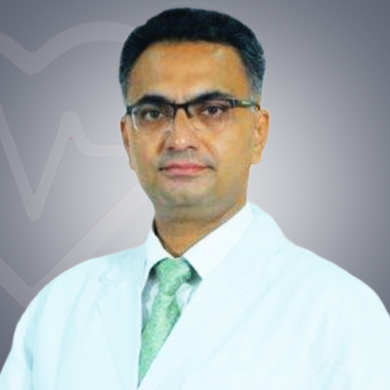
Dr. Puneet Mishra
Orthopaedic Surgeon
25 Years of Experience
Known among his patients for treating with compassion and personal care, Dr. Puneet Mishra is one of the best orthopedic surgeons in New Delhi. Dr. Puneet completed his MBBS from Maulana Azad Medical College in 1996 and from the same college he completed his MS (orthopedics) in 2000. With almost 25+ years of surgical experience under him, Dr. Pankaj takes pride in working with some of the finest medical institutions of the world such as University Hospital, Bern, Maulana Azad Medical College, New Delhi, Endoklinik, Germany, and Professor and Consultant orthopedician at Guru Teg Bahadur Hospital, New Delhi. View More
Last Reviewed - January 2026