Bow Legs Treatment in India
- Top Accredited Hospitals
- Global Medical Standards
- Cutting-Edge Technology
- Proven Treatment Options
- High Success Rate
- Trusted by Millions

What are Bow Legs?
Bow legs, also called genu varum, are conditions in which the legs bend outward at the knees. It's a normal part of growth and development in infants and toddlers and generally disappears as the child ages.
What is the Importance of Timely Treatment?
Timely treatment of bow legs (genu varum) is essential to prevent joint damage, walking difficulties, and persistent pain. Early intervention prevents the requirement for surgery, lowers the risk of arthritis, and guarantees healthy bone development. It also helps improve posture, mobility, and self-confidence. Furthermore, it improves self-confidence, movement, and posture. Early therapy can improve the overall quality of life and avoid long-term consequences.
What are the Common Symptoms of Bow legs?
- The legs get outward and curve at the knees.
- Having trouble while running or walking.
- Adults who have persistent bow legs may experience knee or hip pain.
- Space is developed between the knees and lower legs, particularly when standing with pointed forward toes.
- The knees are not touched when standing with the feet and ankles together.
Causes and Risk Factors of Bow Legs
Causes
- Physiological (Normal in Early Childhood) – Many newborns are born with bow legs because of their position in the womb. It often goes away by the age of 2-3.
- Rickets – A vitamin D or calcium deficiency leads to weak, softened bones.
- Blount’s Disease – An abnormal disorder that affects the bending of the tibia (shin bone) and causes excessive bowing.
- Bone Malformations –Hereditary disorders that affect bone structure.
- Arthritis – Bowing in adults is due to osteoarthritis or rheumatoid arthritis.
Risk Factors
The following factors can increase the chances of developing bow legs
- Age – It is common in babies and toddlers, but if it persists until the age of 3, it may become a serious problem.
- Nutritional Deficiencies – A deficiency of vitamin D, calcium, or phosphorus can be a reason for rickets, weakening bones and causing bowing.
- Blount's disease is a development problem that primarily affects children who are overweight and early walkers.
- Genetics –The problem is more likely to occur if there is a family history of bow legs or bone disorders.
- Obesity is a risk factor, as excessive weight puts pressure the development of leg bones.
Connect with our advisor for a PRIORITY response
Latest Research and Technologies in the Treatment of Bow Legs in India
The latest advancements in bow leg treatment include robotic-assisted correction devices like Ortho Spin, which enable accurate, automatic adjustments to the realignment of bones without any manual intervention. Other advanced procedures that reduce recovery times and minimise risks include minimally invasive osteotomy techniques for adults and guided growth surgery for children.
Bow Legs Prevention Tips
Ensure you eat a healthy diet with sufficient calcium and vitamin D to develop strong bones and avoid bow legs. Kids should be encouraged to maintain a healthy weight and participate in frequent physical activities to promote leg alignment. Avoid exposing babies to extended early weight-bearing activities, such as excessive standing or walking, before they are ready. Visiting a doctor regularly might help detect and treat any problems with bone growth early.
Treatment options for Bow Legs
Bow leg correction: involves realigning the legs to their normal posture. The issue can be corrected with bracing and guided growth surgery as children develop. Limb-lengthening procedures or surgical treatments such as osteotomy are employed for severe occurrences in adulthood. Recent developments such as robotic-assisted correction and minimally invasive surgery have improved results and shortened recovery times.
Cost Start From USD 8000 - USD 10000Explore Options
Physical Examination: The doctor analyses the patient's knee separation, gait, and leg alignment.
- X-rays and radiographs are helpful tools for determining the degree of bone misalignment and identifying underlying bone disorders.
- MRI or CT scan examines soft tissues, cartilage, and bone structure.
- Blood tests: To detect diseases such as metabolic problems or rickets (vitamin D deficiency).
- Gait analysis measures the functional impact by analysing walking patterns.
Bow Leg Rehabilitation Options
- Physical therapy includes exercises for strengthening and stretching muscles to enhance posture and balance.
- Children are braced to help with proper alignment and bone growth.
- Orthotic Supports: Modifications to shoes or custom insoles to improve leg alignment.
- Weight management is the process of losing extra weight to relieve joint strain.
- Post-Surgical Rehab: Physiotherapy aids in the recovery of function, strength, and mobility following surgery.
Although medications cannot treat bow legs directly, they can help control the symptoms and underlying causes; for instance, medications target the root reasons, such as bone-strengthening medications for osteoporosis, NSAIDs for pain management, and vitamin D and calcium supplements for rickets. In certain circumstances, growth hormone therapy may also be helpful. In severe situations, bracing or surgery is usually necessary.
Instantly Connect with our Specialists


Hospitals for Bow Legs in India
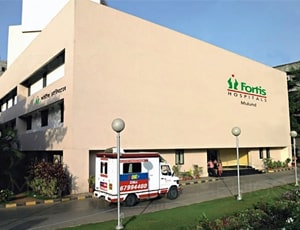
Fortis Hospital, Mulund
Mumbai, India
Fortis Hospital Mulund, located in Mulund West, Mumbai, is a premier healthcare facility providing excellence in multi-speciality healthcare for over 20 years. The global leader in advancing medical technology and clinical expertise, the hospital offers specialities including Cardiology, Neurosciences, Oncology, Transplants, and Orthopaedics. The hospital is well-known for being the largest transplant center in Maharashtra and offers advanced treatment options, including Transcatheter Aortic Valve Implantation (TAVI) and stereotactic precision radiotherapy for cancer. Fortis Mulund is equipped with a 24/7 Emergency Department and International Patient Unit to provide world-class patient-centric care.
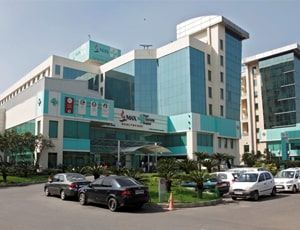
Max Super Speciality Hospital, Saket
Delhi, India
Max Smart Super Speciality Hospital, Saket, is a 250-bed tertiary care hospital awarded NABH accreditation, which provides advanced medical care in various specialities such as Cardiac Sciences, Orthopaedics, Neurology, Urology, Kidney Transplant, Paediatrics, and Obstetrics & Gynaecology. The hospital provides quality, safe, integrated, and patient-centric medical care using modular OTs, ICUs, Cath Labs, CT, MRI and Dialysis units.

BLK-Max Super Speciality Hospital
Delhi, India
BLK-Max Super Speciality Hospital, located in New Delhi, is the leading best-in-class healthcare institution in India, providing tertiary and quaternary care. 650 + beds including 162 critical care beds, 22 OTs with 1,500+ clinical professionals allied to health are at the hospital's disposal. JCI, NABH, and NABL accredited. The hospitals are a leader in transplants, cancer care, and robotic surgery education and implementation. Established in1959 by Dr. B.L. Kapur, the hospital combines state-of-the-art technology with patient-centric values including compassion, efficiency, and consistency.
Our Services to better your experience
Opinion & Option
We submit the most accurate opinion and options from one or more countries for your review
Consult Privately
Consult with a certified specialist privately on our telemedicine platform even before you decide to travel
Logistics
We handle flights, visas, transfers, and accommodation—so you can focus on your health.
Recovery
Our In-house rehabilitation service packages to better your recovery and treatment outcome
Why Choose India for Bow Leg Treatment?
The reason for choosing India for the treatment is that India has highly qualified orthopaedic doctors and state-of-the-art medical facilities at reasonable prices. Bow leg treatment is highly sought after in the country. With modern technology, shorter waiting times than most Western nations, and hospitals approved by the Western world, patients can receive excellent care for a fraction of the cost.
Frequently Asked Questions
Surgery for bow legs is required if the condition continues after age three and causes severe misalignment, pain, or movement problems. It is also necessary for cases connected to diseases like Blount’s or rickets. Treatments like osteotomy or guided growth surgery might correct the deformity and prevent joint issues if braces or therapy are ineffective.
Bow legs (genu varum) can affect individuals of all ages: Infants & Toddlers (0–3 years). It is very common for infants to be born with bow legs due to their position in the womb. It corrects itself as they grow and start walking. It may show an underlying condition, such as rickets if bow legs persist beyond age three or worsen.
Bow legs (genu varum) can run in families. Due to genetic factors, some children inherit a natural tendency for their legs to bow, affecting bone development. However, environmental factors, including inadequate nutrition (such as vitamin D deficiency leading to rickets) or underlying medical issues,s can also cause bow legs.
Mobility may not be significantly affected by mild cases of bow legs, but severe cases might result in:
- Inability to run and walk efficiently
- Increased stress on the hips, knees, and ankles,
- Pain or discomfort, mainly when performing extensive activity
- There is an increased chance of joint issues, including arthritis, as one age.
The advancements in medical technology and highly qualified surgeons led to the success rate for bow leg therapy in India between 85% and 95%, which is higher than in other countries. Results are greatly improved by appropriate post-operative care, physical therapy, and adherence to recovery protocols.
Before choosing hospitals in India, always look for the following:
- Hospitals with accreditation (JCI, NABH approved).
- Skilled orthopaedic surgeons specialising in sports injuries
- Success rates and patient reviews.
- Hospitals that assist patients from overseas for a seamless experience.
Yes, Indian surgeons have extensive experience in treating Bow legs. Both conservative and surgical approaches are frequently used by orthopaedic surgeons and sports medicine specialists in India to diagnose and treat these ailments.
Infants frequently have bow legs and can easily detected visually. Because of their position in the womb, most infants are naturally born with bowed legs, but this usually goes away when they are two or three years old. Additional medical assessment could be required if bending worsens or continues past this age.
Severe bow legs can cause joint pain and arthritis, especially in the knees, if not treated.
- Uneven Joint wear raises the risk of osteoarthritis
- Abnormal walking patterns that result in postural problems and muscular imbalances,
- Decreased mobility that impacts daily tasks and sports performance
The recovery time frame following corrective surgery is determined by the procedure involved and the patient's healing process. Usually:
- It could take three to six months to recover after osteotomy surgery, which realigns the bones fully.
- Rehabilitation may be followed by several months of external fixation (gradual correction).
- For regaining strength and movement requires physical therapy.
After receiving proper treatment, chances of recurrence are relatively rare; however, it can occur because of the:
- Inadequate remediation during therapy
- abnormalities in children's growth
- underlying medical conditions that have an impact on bone health
- Inappropriate rehabilitation or post-operative treatment
- It can be avoided by maintaining good bone health (enough calcium, vitamin D, and exercise) and regularly consulting a doctor.

Reviewer
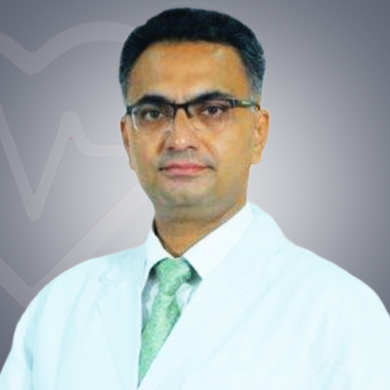
Dr. Puneet Mishra
Orthopaedic Surgeon
25 Years of Experience
Known among his patients for treating with compassion and personal care, Dr. Puneet Mishra is one of the best orthopedic surgeons in New Delhi. Dr. Puneet completed his MBBS from Maulana Azad Medical College in 1996 and from the same college he completed his MS (orthopedics) in 2000. With almost 25+ years of surgical experience under him, Dr. Pankaj takes pride in working with some of the finest medical institutions of the world such as University Hospital, Bern, Maulana Azad Medical College, New Delhi, Endoklinik, Germany, and Professor and Consultant orthopedician at Guru Teg Bahadur Hospital, New Delhi. View More
Last Reviewed - January 2026