Bone Fracture Treatment in Turkey
- Top Accredited Hospitals
- Global Medical Standards
- Cutting-Edge Technology
- Proven Treatment Options
- High Success Rate
- Trusted by Millions

What is a Bone Fracture?
A bone fracture is a break or crack in the continuity of a bone. It can occur following trauma such as a fall, road accident, or sports injury, or because of weakened bones caused by conditions such as osteoporosis. Fractures may be classified as closed or open, displaced or non-displaced, and simple or complex.
What is the Importance of Timely Treatment?
Prompt fracture treatment helps restore proper bone alignment, control pain and swelling, protect surrounding tissues, and reduce the risk of complications. Appropriate treatment can also support earlier mobilisation and help restore normal function.
Early medical evaluation is particularly important for open fractures, severe injuries, fractures involving joints, or injuries associated with numbness, weakness, or reduced blood circulation.
What are the Common Symptoms of a Bone Fracture?
- Pain: Fractures commonly cause sudden or persistent pain, particularly with movement or pressure.
- Swelling: Soft-tissue inflammation around the injured area may cause noticeable swelling.
- Bruising: Damage to small blood vessels can result in bruising around the fracture.
- Deformity: A displaced fracture may cause the affected limb or joint to appear unusually shaped.
- Difficulty Moving: Pain and structural damage may make movement or weight-bearing difficult.
- Tenderness: The area around the fracture may become particularly sensitive to touch.
- Reduced Function: Depending on the location, a fracture may interfere with walking, gripping, or other normal activities.
- Open Wound: In an open fracture, the broken bone may damage or penetrate the surrounding skin.
Causes and Risk Factors of Bone Fracture
Causes
- Traumatic Injuries: Falls, road accidents, sports injuries, and direct blows can cause fractures.
- Twisting or Excessive Force: Sudden twisting or abnormal force on a bone can result in a fracture.
- Repetitive Stress: Repeated physical stress can cause small cracks known as stress fractures.
- Osteoporosis: Reduced bone density can make bones more susceptible to fractures.
- Bone Disorders: Certain diseases affecting bone strength or structure can increase fracture risk.
- Pathological Fractures: Tumours or other conditions affecting a bone can weaken it and lead to fractures with relatively minor force.
Risk Factors
- Older Age: Bone density and muscle strength may decrease with age, increasing the risk of falls and fractures.
- Osteoporosis: Low bone density makes bones more fragile and more likely to break.
- Previous Fractures: A history of fractures may indicate increased vulnerability to future fractures.
- High-Risk Activities: Contact sports, high-impact activities, and occupations involving physical hazards can increase injury risk.
- Poor Balance: Balance problems can increase fall risk.
- Nutritional Deficiencies: Inadequate nutrient intake or absorption can affect bone strength.
- Smoking and Excessive Alcohol: These factors can negatively affect bone health and healing.
Latest Research and Technologies in the Treatment of Bone Fracture in Turkey
Modern fracture care increasingly focuses on accurate diagnosis, stable fixation, minimally invasive techniques, and early functional recovery. Advanced imaging, computer-assisted navigation, 3D planning, and patient-specific implants may be used for selected complex fractures.
Facilities have adopted technologies such as O-arm imaging, navigation systems, EOS imaging, gait analysis, and 3D printing for selected complex orthopedic and trauma cases. Recent orthopedic research is also exploring minimally invasive fixation methods and newer implant designs that may allow earlier movement in selected fractures. However, the appropriate technique depends on fracture location, pattern, stability, bone quality, and patient-specific factors.
Treatment options for Bone Fracture
Treatment is selected based on the fracture type, location, severity, and stability.
Immobilisation: Casts, splints, or braces may keep the bone aligned while it heals.
Closed Reduction: A displaced fracture may sometimes be manually realigned without surgery.
ORIF : Open Reduction and Internal Fixation is a major orthopedic surgical procedure used to realign and stabilise severely broken or displaced bones using metal plates, screws, rods, or pins
Cost Start From 7000Explore Options
Intramedullary Nailing: A metal rod may be inserted into the bone's medullary canal to stabilise selected long-bone fractures.
External Fixation: Pins connected to an external frame may stabilise complex or severe fractures.
Minimally Invasive Fixation: Surgeons may treat selected fractures through smaller incisions using specialised fixation techniques.
Bone Grafting: Bone graft material may be used when there is significant bone loss or healing is difficult.
Joint-Specific Treatment: Fractures involving a joint may require specialised fixation to restore alignment and joint function.
Clinical assessment:
- Medical and Injury History: Helps understand how the injury occurred and identify factors that may affect healing.
- Physical Examination: The healthcare team assesses the affected area for pain, swelling, deformity, movement, and tenderness.
- Neurovascular Assessment: The healthcare team checks sensation, movement, pulses, and circulation to identify nerve or vascular injury.
- Functional Assessment: The healthcare team evaluates the patient's ability to move, bear weight, or use the affected limb.
- Assessment of Open Wounds: The team examines any wound near a suspected fracture to determine whether the fracture may be open.
Imaging Tests:
- X-rays: Usually the first imaging test used to identify most fractures and assess bone alignment.
- CT Scan: Provides detailed three-dimensional information and is particularly useful for complex or joint-involving fractures.
- MRI: Can detect fractures that may not be visible on initial X-rays and can evaluate associated soft-tissue injuries.
- Bone Scan: May occasionally identify stress fractures or other areas of abnormal bone activity.
- 3D Imaging and Planning: Advanced imaging data may be used to create 3D models for planning selected complex orthopedic procedures.
MediRehab (a chain of Rehab centres, part of MediGence) provides comprehensive tele-rehabilitation services designed to support Bone Fracture patients in Turkey. These services include:
- Physiotherapy: Helps restore joint movement, muscle strength, and flexibility.
- Mobility Training: Supports safe walking and weight-bearing as permitted by the treating team.
- Strengthening Exercises: Gradually rebuild muscle strength around the injured area.
- Range-of-Motion Exercises: Help prevent stiffness and improve joint mobility.
- Balance Training: May be included when the injury or prolonged immobilisation affects balance.
- Functional Training: Helps patients gradually return to everyday activities, work, or sport.
- Post-Surgical Rehabilitation: Provides structured recovery following fracture fixation or other orthopedic procedures.
- Fracture medicines help manage pain, inflammation, infection risk, and bone health. Treatment may include pain relievers, anti-inflammatory medicines, antibiotics, calcium, vitamin D, or osteoporosis medications.
Instantly Connect with our Specialists


Hospitals for Bone Fracture in Turkey

Acibadem Fulya Hospital
Istanbul, Turkey
Acibadem Fulya Hospital located in Istanbul, Turkey is accredited by JCI. Also listed below are some of the most prominent infrastructural details:
- The hospital has cutting edge infrastructure and all latest amenities.
- Equipment like Whole body MR scanner, 4D Ultrasound system for Breast Cancer screening, 3D Imaging and Navigation System for Prostate Biopsy, Posturography (Balance) Device, and EBUS.
- Everything that makes healthcare delivery a 360* process is present in Acibadem Fulya Hospital, Istanbul, Turkey like diagnostic services, insurance, language interpretation services, travel and lodging arrangements.
- Clinic Laboratory, Dialysis, Gastrointestinal Endoscopy Laboratory, Pulmonary Function Laboratory, Radiology and Sleep Laboratory are also present.
- Intensive Care Units (ICU) are also available in the Acibadem Fulya Hospital, Istanbul, Turkey.
- There are many popular specialties and departments present in Acibadem Fulya Hospital, Istanbul, Turkey, which is a multidisciplinary healthcare organisation. Some are Cardiology, Neurology, Cardiology, Cardiovascular Surgery, Dermatology, Ear, Nose and Throat (Otolaryngology) etc.

Acibadem Hospital Taksim
Istanbul, Turkey
Acibadem Hospital Taksim located in Istanbul, Turkey is accredited by JCI. Also listed below are some of the most prominent infrastructural details:
- With 93 beds, 6 operating theatres, Acibadem Hospital, Taksim, Istanbul, Turkey is a well equipped healthcare facility.
- It has exceptional infrastructure which is at par with the best in the world.
- The ICU of this hospital comprises 10 beds, which is inclusive of isolation room beds (2).
- Also, when we talk of Neonatal ICU, it consists of 7 beds inclusive of an isolation room bed.
- Robot-assisted Surgery and Radiology departments are a sign of the technological advancement in the hospital.
- The Physical Medicine and Rehabilitation department ensures a seamless transition through the recovery period.

Medical Park Gebze Hospital
Kocaeli, Turkey
Medical Park Gebze Hospital located in Kocaeli, Turkey is accredited by JCI. Also listed below are some of the most prominent infrastructural details:
- Established in an area of 17,000 sqm
- Capacity of 118 beds
- 49 Intensive Care Units
- Physical Therapy and Rehabilitation Department
- Microsurgery Department
- 24*7 Emergency Department
- Laboratory
- Angiography Unit
- Neonatal ICU (NICU)
- Coronary Intensive Care Unit
- General Intensive Care Unit (ICU)
Our Services to better your experience
Opinion & Option
We submit the most accurate opinion and options from one or more countries for your review
Consult Privately
Consult with a certified specialist privately on our telemedicine platform even before you decide to travel
Logistics
We handle flights, visas, transfers, and accommodation—so you can focus on your health.
Recovery
Our In-house rehabilitation service packages to better your recovery and treatment outcome
Why Choose Turkey for Bone Fracture Treatment?
- Experienced Orthopaedic Specialists:. Turkish orthopaedic centres provide trauma surgery, deformity correction, revision procedures, and other specialised orthopaedic treatments.
- Advanced Diagnostic Facilities: Modern X-ray, CT, MRI, and other imaging technologies support accurate fracture assessment.
- Advanced Surgical Techniques: Selected hospitals offer minimally invasive fixation, navigation, intraoperative imaging, and other advanced orthopedic technologies.
- Multidisciplinary Rehabilitation: Physiotherapy and rehabilitation services can support recovery of movement, strength, and function.
- Comprehensive Medical Care: Patients can receive diagnosis, fracture treatment, surgery when required, and follow-up care within an integrated healthcare system.
Frequently Asked Questions

Reviewer
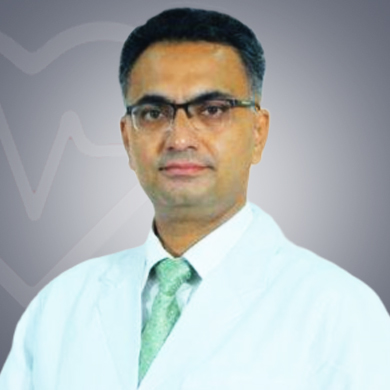
Dr. Puneet Mishra
Orthopaedic Surgeon
25 Years of Experience
Known among his patients for treating with compassion and personal care, Dr. Puneet Mishra is one of the best orthopedic surgeons in New Delhi. Dr. Puneet completed his MBBS from Maulana Azad Medical College in 1996 and from the same college he completed his MS (orthopedics) in 2000. With almost 25+ years of surgical experience under him, Dr. Pankaj takes pride in working with some of the finest medical institutions of the world such as University Hospital, Bern, Maulana Azad Medical College, New Delhi, Endoklinik, Germany, and Professor and Consultant orthopedician at Guru Teg Bahadur Hospital, New Delhi. View More
Last Reviewed - January 2026