Bone Fracture Treatment in India
- Top Accredited Hospitals
- Global Medical Standards
- Cutting-Edge Technology
- Proven Treatment Options
- High Success Rate
- Trusted by Millions

What is a Bone Fracture?
A bone fracture is a break or crack in the continuity of a bone. It can occur following trauma such as a fall, road accident, or sports injury, or because of weakened bones caused by conditions such as osteoporosis.
Fractures may be classified as closed or open, displaced or non-displaced, and simple or complex. Some fractures can heal with imm
What is the Importance of Timely Treatment?
Prompt fracture treatment helps restore proper bone alignment, control pain and swelling, protect surrounding tissues, and reduce the risk of complications. Appropriate treatment can also support earlier mobilisation and help restore normal function.
Early medical evaluation is particularly important for open fractures, severe injuries, fractures involving joints, or injuries associated with numbness, weakness, or reduced blood circulation.
What are the Common Symptoms of a Bone Fracture?
- Pain: Fractures commonly cause sudden or persistent pain, particularly with movement or pressure.
- Swelling: Soft-tissue inflammation around the injured area may cause noticeable swelling.
- Bruising: Damage to small blood vessels can result in bruising around the fracture.
- Deformity: A displaced fracture may cause the affected limb or joint to appear unusually shaped.
- Difficulty Moving: Pain and structural damage may make movement or weight-bearing difficult.
- Tenderness: The area around the fracture may become particularly sensitive to touch.
- Reduced Function: Depending on the location, a fracture may interfere with walking, gripping, or other normal activities.
- Open Wound: In an open fracture, the broken bone may damage or penetrate the surrounding skin.
Causes and Risk Factors of Bone Fracture
Causes
- Traumatic Injuries: Falls, road accidents, sports injuries, and direct blows can cause fractures.
- Twisting or Excessive Force: Sudden twisting or abnormal force on a bone can result in a fracture.
- Repetitive Stress: Repeated physical stress can cause small cracks known as stress fractures.
- Osteoporosis: Reduced bone density can make bones more susceptible to fractures.
- Bone Disorders: Certain diseases affecting bone strength or structure can increase fracture risk.
- Pathological Fractures: Tumours or other conditions affecting a bone can weaken it and lead to fractures with relatively minor force.
Risk Factors
- Older Age: Bone density and muscle strength may decrease with age, increasing the risk of falls and fractures.
- Osteoporosis: Low bone density makes bones more fragile and more likely to break.
- Previous Fractures: A history of fractures may indicate increased vulnerability to future fractures.
- High-Risk Activities: Contact sports, high-impact activities, and occupations involving physical hazards can increase injury risk.
- Poor Balance: Balance problems can increase the likelihood of falls.
- Nutritional Deficiencies: Inadequate intake or absorption of nutrients important for bone health may affect bone strength.
- Smoking and Excessive Alcohol: These factors can negatively affect bone health and healing.
Latest Research and Technologies in the Treatment of Bone Fracture in India
Modern fracture care increasingly focuses on accurate diagnosis, stable fixation, minimally invasive techniques, and early functional recovery. Advanced imaging, computer-assisted navigation, 3D planning, and patient-specific implants may be used for selected complex fractures.
Facilities have adopted technologies such as O-arm imaging, navigation systems, EOS imaging, gait analysis, and 3D printing for selected complex orthopedic and trauma cases. Recent orthopedic research is also exploring minimally invasive fixation methods and newer implant designs that may allow earlier movement in selected fractures. However, the appropriate technique depends on fracture location, pattern, stability, bone quality, and patient-specific factors.
Treatment options for Bone Fracture
Treatment is selected based on the fracture type, location, severity, and stability.
Immobilisation: Casts, splints, or braces may keep the bone aligned while it heals.
Closed Reduction: A displaced fracture may sometimes be manually realigned without surgery.
ORIF : Open Reduction and Internal Fixation is a major orthopedic surgical procedure used to realign and stabilise severely broken or displaced bones using metal plates, screws, rods, or pins
Cost Start From 4250Explore Options
Intramedullary Nailing: A metal rod may be inserted into the bone's medullary canal to stabilise selected long-bone fractures.
External Fixation: Pins connected to an external frame may stabilise complex or severe fractures.
Minimally Invasive Fixation: Selected fractures may be treated through smaller incisions using specialised fixation techniques.
Bone Grafting: Bone graft material may sometimes be used when there is significant bone loss or difficulty with healing.
Joint-Specific Treatment: Fractures involving a joint may require specialised fixation to restore alignment and joint function.
Clinical assessment:
- Medical and Injury History: Helps understand how the injury occurred and identify factors that may affect healing.
- Physical Examination: The affected area is assessed for pain, swelling, deformity, movement, and tenderness.
- Neurovascular Assessment: The healthcare team checks sensation, movement, pulses, and circulation to identify nerve or vascular injury.
- Functional Assessment: The healthcare team evaluates the patient's ability to move, bear weight, or use the affected limb.
- Assessment of Open Wounds: Any wound near a suspected fracture is examined to determine whether the fracture may be open.
Imaging Tests:
- X-rays: Usually the first imaging test used to identify most fractures and assess bone alignment.
- CT Scan: Provides detailed three-dimensional information and is particularly useful for complex or joint-involving fractures.
- MRI: Can detect fractures that may not be visible on initial X-rays and can evaluate associated soft-tissue injuries.
- Bone Scan: May occasionally be used to identify stress fractures or other areas of abnormal bone activity.
- 3D Imaging and Planning: Advanced imaging data may be used to create 3D models for planning selected complex orthopedic procedures.
MediRehab (a chain of Rehab centres, part of MediGence) provides comprehensive rehabilitation services designed to support Bone Fracture patients in India. These services include:
- Physiotherapy: Helps restore joint movement, muscle strength, and flexibility.
- Mobility Training: Supports safe walking and weight-bearing as permitted by the treating team.
- Strengthening Exercises: Gradually rebuild muscle strength around the injured area.
- Range-of-Motion Exercises: Help prevent stiffness and improve joint mobility.
- Balance Training: May be included when the injury or prolonged immobilisation affects balance.
- Functional Training: Helps patients gradually return to everyday activities, work, or sport.
- Post-Surgical Rehabilitation: Provides structured recovery following fracture fixation or other orthopedic procedures.
- Fracture medicines help manage pain, inflammation, infection risk, and bone health. Treatment may include pain relievers, anti-inflammatory medicines, antibiotics, calcium, vitamin D, or osteoporosis medications.
Instantly Connect with our Specialists


Hospitals for Bone Fracture in India
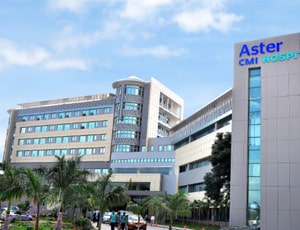
Aster CMI Hospital
Bangalore, India
Aster CMI Hospital located in Bengaluru, India is accredited by JCI, NABH. Also listed below are some of the most prominent infrastructural details:
- Around 500 bed capacity
- Primary care to Quaternary care services
- Outpatient and inpatient departments
- Day care center for small children
- Availability of Surgical suites
- Intensive Care Units
- 24-hour Emergency and Trauma Care
- Emergency Unit especially for children
- Newly launched the Lung and Heart Transplant Centre
- Video Consultation with doctors available on GraphMyHealth
- A specialised Aster Center of Excellence for Women & Children
- Latest Minimally Invasive Procedures being performed
- Safe Interventional Procedures
- Control of Infection protocols are strictly followed
- Aster Holistic Collaborative Care: Aster Palliative Care for lowering suffering if critically ill patients, Physical Medicine & Rehabilitation, Aster Wellness, Psychology, Chronic Pain Management, Nutrition & Dietetic, Podiatry Care etc.
- 11 Centers of Excellence
- An academics focus with BSc Program, MEM Program, Pediatric Fellowship Program
- A streamlined International patient care center with dedicated services and technology enabled processes

Max Super Specialty Hospital, Vaishali
Ghaziabad, India
- Max Super Speciality Hospital, Vaishali, Ghaziabad, is a leading multi-speciality hospital with 387+ beds and 37+ clinical specialities, offering advanced care in Cardiology, Neuro Sciences, Oncology, Orthopaedics, Transplants, Gastroenterology, and Reconstructive Surgery.
- Supported by 389+ doctors and 1038+ trained staff, the hospital combines state-of-the-art technology, including robotic surgery and advanced imaging systems, with compassionate, patient-centred care.
- Accredited by NABH and NABL, Max Vaishali is a trusted destination for both domestic and international patients seeking high-quality, integrated medical services.

MGM Healthcare
Chennai, India
There are a wide variety of healthcare facilities and specialized, targeted treatments provided by MGM HealthCare. Some of its most prominent services are listed below:
Institute of Heart and Lung Transplant and Mechanical Circulatory Support: Well renowned for having the third-highest number of heart transplants in a year (102) and also the successful completion of several other transplant surgeries and cardiac surgeries.
Cardiac Sciences: They offer a variety of screening tests and facilities including Tilt Table Test, Coronary Angioplasty and Stenting, CT Angiography, Coronary Artery Bypass Grafting, Stress Echocardiogram, Cardiac Stress Test and Cardiac Catheterisation.
Obstetrics and Gynaecology: They provide all services to ensure a woman’s well-being. Some of the services offered are Menstrual Cramps Treatment, Colposcopy, Myomectomy, Vaginal Hysterectomy, Breastfeeding Support, Ovarian Cyst Removal, Menopause Management, Vaginal Birth After Caesarean (VBAC), and Menorrhagia Treatment.
Orthopedics: Bilateral Knee Replacement, Total hip Replacement, and Knee Arthroscopy are all the procedures that are offered in this department.
Liver Transplantation: An exceptionally skilled team of professionals who have performed over 4,000 liver transplant surgeries and an operation theatre and ICU specifically dedicated to HBP surgery is available at the patient’s disposal.
Emergency Medicine: MGM Healthcare has a fully functioning facility dedicated to emergency medicine that operates 24 hours a day and 7 days a week.
Oncology: The patients will be in the safe hands of well-trained medical personnel qualified in the field of oncology and specialize in procedures like Bowel resection surgery, Biopsy, Lumpectomy, Liver Resection Surgery, Lung Cancer resection surgery, Lymph Node Surgery, and Laparoscopic Prostatectomy. They also provide cancer treatments like Chemotherapy, Immunotherapy, and Targeted Therapy.
Anaesthesiology and SICU: They specialize in the field of local, general and regional anesthesia and work to assist doctors during surgical procedures.
Neurosciences and Spine: The doctors in this department handle difficult procedures like Brain Tumour Surgery, Spine Reconstructive Surgery, Neuro Surgeries, and Spine Surgeries with the utmost ease and professionalism. They also have a specific area dedicated to Neuroanaesthesia and NeuroCritical Care.
Do visit the environment-friendly medical facility in Chennai and experience medical excellence.
Our Services to better your experience
Opinion & Option
We submit the most accurate opinion and options from one or more countries for your review
Consult Privately
Consult with a certified specialist privately on our telemedicine platform even before you decide to travel
Logistics
We handle flights, visas, transfers, and accommodation—so you can focus on your health.
Recovery
Our In-house rehabilitation service packages to better your recovery and treatment outcome
Why Choose India for Bone Fracture Treatment?
- Experienced Orthopedic Specialists: Access to orthopedic and trauma specialists experienced in managing a wide range of fractures.
- Advanced Diagnostic Facilities: Modern X-ray, CT, MRI, and other imaging technologies support accurate fracture assessment.
- Advanced Surgical Techniques: Selected hospitals offer minimally invasive fixation, navigation, intraoperative imaging, and other advanced orthopedic technologies.
- Multidisciplinary Rehabilitation: Physiotherapy and rehabilitation services can support recovery of movement, strength, and function.
- Comprehensive Medical Care: Patients can receive diagnosis, fracture treatment, surgery when required, and follow-up care within an integrated healthcare system.