Birth Limb Deformities Treatment in Thailand
- Top Accredited Hospitals
- Global Medical Standards
- Cutting-Edge Technology
- Proven Treatment Options
- High Success Rate
- Trusted by Millions

What are Birth Limb Deformities?
Birth limb deformities are congenital anomalies that alter a baby's arms or legs' form, structure, or functionality. These abnormalities include undeveloped or fused limbs and missing or additional fingers or toes. Prenatal problems, environmental circumstances, and hereditary factors are some examples of potential causes. There are several different treatment options, including prostheses, therapy, and surgery.
What is the Importance of Timely Treatment?
To ensure appropriate physical growth, mobility, and functionality, it is essential that birth limb defects can be treated immediately. Early medical treatment can prevent complications such as joint stiffness, muscle weakness, or decreased mobility. It also improves a child's general quality of life and helps them do everyday tasks better. Early intervention, such as surgery, counselling, or prosthetics, can promote improved social and mental health.
What are the Common Symptoms of Birth Limb Deformities?
The following are common symptoms of birth limb deformities:
- Absence or duplication of digits: missing or extra fingers or toes.
- Short, crooked, or undeveloped arms or legs are abnormally shaped limbs.
- Fused Fingers and toes, digits are connected( syndactyl)
- Restricted Mobility or Stiff Joints: Joint abnormalities or limited range of motion.
- One limb may be noticeably shorter than the other due to unequal limb length.
Causes and Risk Factors of Birth Limb Deformities
Causes
The following are the causes of Birth Limb Deformities:
- Genetic factors: Limb abnormalities may result from inherited genetic mutations or syndromes
- Vascular disruption: Problems with blood flow during fetal development may hinder the development of healthy limbs.
- Amniotic Band syndrome: Restricted growth as strands of the amniotic sac encircle the limb.
- Maternal illnesses: Pregnancy-related illnesses like cytomegalovirus and rubella can result in birth abnormalities.
- Teratogenic Exposure: The development of fetal limbs may be hampered by toxic substances such as radiation, retinoic acid, or thalidomide.
Risk Factors
- Family history: This may raise the chance of congenital limb abnormalities due to a genetic predisposition.
- Maternal Health Conditions: Obesity, lupus, diabetes, and other illnesses may increase the risk.
- Multiple Pregnancies: The risk of developing limb abnormalities is increased for twins or many pregnancies.
- Advanced maternal Age: Women over 35 may be more susceptible to birth abnormalities.
Connect with our advisor for a PRIORITY response
Latest Research and Technologies in the Treatment of Birth Limb Deformities in Thailand
Integrating advanced technology and research has significantly improved the treatment of birth limb deformities in Thailand. Recent innovations include minimally invasive surgical procedures shortening recovery periods, enhancing patient outcomes, and using 3D imaging and printing to make accurate diagnoses and tailored treatment protocols. In addition, advances in limb-lengthening procedures, such as using internal rods and external fixators, have led to encouraging outcomes.
Birth Limb Deformity Prevention Tips
Here are some of the prevention tips to be followed to prevent Birth limb deformity:
- Prenatal Care: Regular prenatal checks can identify and control risk factors early.
- Healthy Nutrition: A diet high in vitamins, calcium, and folic acid promotes the growth of the fetus.
- Avoid Dangerous Substances: Avoid the use of alcohol, tobacco, and other drugs that can alter the formation of limbs.
- Handle Chronic Conditions: During pregnancy, proper diabetes maintenance, thyroid issues, and infections.
- Genetic Counseling: Genetic screening can assist in determining risks if limb malformations run in the family.
Treatment options for Birth Limb Deformities
Osteotomy: To address deformities like bowed legs or uneven rotation by removing a bone, an osteotomy is performed to correct it. Improving limb alignment and function can be achieved by combining external or internal fixation for stability. Limb lengthening gradually lengthens bones and encourages the growth of new bones by controlled separation.
Cost Start From USD 5000 - USD 7000Explore Options
Limb Lengthening: Limb lengthening is an innovative procedure to treat congenital limb abnormalities like fibular hemimelia or a shortened femur. An external fixator, such as the Ilizarov apparatus, or an internal device, such as the Precise nail, is used to gradually separate the ends of the bone after the bone is surgically sliced (osteotomy), allowing new bone to grow. There is a consolidation period for bone hardening after the lengthening, which occurs at a rate of roughly 1 mm per day. Physical therapy is crucial for preserving strength and mobility during the several months it may take to recover.
Cost Start From USD 35000 - USD 50000Explore Options
- An orthopaedic surgeon's thorough medical history and physical examination are the first steps in detecting a limb-length disparity. To determine how varied the lengths of your child's limbs are, the doctor will first measure them during the examination.
- If your child's leg lengths differ, the doctor could observe how they walk to determine whether they make up for the difference. Their doctor could also ask your child to stand with a block beneath their shorter leg to determine how much adjustment is required to align their hips and the rest of their body.
- Your child's physician might also prescribe X-rays and another imaging test to assess the disparity better.
MediRehab (chain of Rehab centres - Part of MediGence) provides comprehensive rehabilitation services rehabilitation services to support patients through Teleconsulations and online therapy sessions.
- Physical Therapy: The initial stages for determining a limb-length difference are a comprehensive medical history and physical examination by an orthopaedic physician. It helps in preventing contractures and muscle atrophy, particularly following surgery.
- Occupational therapy focuses on improving everyday tasks like writing, dressing, and object gripping. Independence is enhanced by adaptive strategies and assistive technology (such as prosthetics and tailored grips).
- Rehabilitation Through Surgery: Post-operative rehabilitation starts post-limb lengthening or osteotomy surgeries. Includes focused strength training, pain management, and eventual weight bearing.
- Orthotics and Prosthetics Support: Orthotics and bracing offer alignment correction and stability. People with severe abnormalities or amputations can regain function with the use of prosthetic limbs.
- Although medications cannot treat Birth limb deformities directly, they can help control the symptoms and underlying causes; for instance, medications target the root reasons, such as bone-strengthening medications for osteoporosis, NSAIDs for pain management, and vitamin D and calcium supplements for rickets. In certain circumstances, growth hormone therapy may also be helpful. In severe situations, bracing or surgery is usually necessary.
Instantly Connect with our Specialists


Hospitals for Birth Limb Deformities in Thailand

Piyavate Hospital
Bangkok, Thailand
Piyavate Hospital located in Bangkok, Thailand is accredited by JCI. Also listed below are some of the most prominent infrastructural details:
Medicine Centre: Piyavate Hospital provides advanced holistic treatment for their patients. They offer a complete range of services and physicians that specialize in various fields like the endocrine system, the nervous system, kidney function, cardiovascular care, respiratory and digestive system. They pride themselves for the familial care that they provide to their patients.
Fertility and In-Vitro Fertilization Centre: Helping the couples who walk into the Piyavate Hospital to achieve their dream of having a family. They have a medical team that specializes in male and female fertility. They offer consultation services, fertility check-up for both men and women and complete IVF services. They have advanced IVF cycle treatment facilities that offer a high rate of success.
Bone and Joint Institute: Piyavate Hospital houses one of the frontrunners in Orthopaedic health care in all of SouthEast Asia. They offer a wide range of services and surgeries in their bone and joint institute that include hand surgery, hip and knee replacement surgery, spinal cord surgery, upper extremity surgery, arthroscopic surgery and sports medicine.
Eye and Lasik Centre: Piyavate Hospital is fully equipped with the latest and most advanced technology for eye care and houses highly skilled ophthalmologists, sub-specialists and qualified nurses.
Physical Therapy and Rehabilitation Centre: One of the first hospitals to be equipped with the Hybrid Assistive Limb technology that will help a neurologically challenged patient to control the rehabilitation robot limb with a signal from their brain. The Physical Therapy and Rehabilitation Centre at Piyavate Hospital uses this system encourage patients to regain muscle memory to walk and function normally.
Amenities for Patient’s Family:
Piyavate Hospital also offers additional apartment facilities to house the kin of the patients who come to visit them from distant places. A restaurant, a flower shop and a café are a few of the other amenities provided by the hospital.
These are the most popular services offered by the Piyavate Hospital in Bangkok, Thailand. They also provide a plethora of other medical services that are listed below:
Diabetic Foot Centre
Check-up centre
Urology Centre
Heart Institute
Paediatric Centre
Obstetrics and Gynaecology Centre
Surgery Centre
Ear Nose Throat Centre
Haemodialysis Centre
Dental Centre
X-Ray Centre
Gastroenterology Centre
Cancer Centre
Neonatal Intensive Care Unit (NICU)
Emergency Services and Centre
Tele-medicine

Phyathai 2 International Hospital
Bangkok, Thailand
Phyathai 2 International Hospital located in Bangkok, Thailand is accredited by JCI. Also listed below are some of the most prominent infrastructural details:
- Fully equipped rooms are available for convenience of the patients- Gold B Room, Gold A Room, Pediatric Gold A, Platinum room, and Prestige ward
- Nearby accommodations are also available- Abloom Service Apartments, Bangkok Patio, VIB Best Western Sanam Pao, VIC3 Hotel
- Operating room
- International Patient Medical Center to assist overseas patients

Kasemrad Ramkhamhaeng Hospital
Bangkok, Thailand
Apart from in-detail treatment procedures available, Kasemrad Ramkhamhaeng Hospital located in Bangkok, Thailand has a wide variety of facilities available for International Patients. Some of the facilities which are provided by them are Accommodation, Airport Transfer, Choice of Meals, Interpreter, SIM, TV inside room. Also listed below are some of the most prominent infrastructural details:
- Initially started with 1.5 acres of land and expanded to 3.5 acres
- 139 beds, 39 Examination Rooms
- 13 Specialties Departments/Centers
- 24*7 Emergency Department
- Accommodation facilities are available- VIP rooms, Single special room, 6-bed dormitory, baby room
Our Services to better your experience
Opinion & Option
We submit the most accurate opinion and options from one or more countries for your review
Consult Privately
Consult with a certified specialist privately on our telemedicine platform even before you decide to travel
Logistics
We handle flights, visas, transfers, and accommodation—so you can focus on your health.
Recovery
Our In-house rehabilitation service packages to better your recovery and treatment outcome
Why Choose Thailand for Birth Limb Deformities?
Thailand is an excellent destination for the treatment of birth limb deformity, with good care at affordable prices. The best institutes in the country have all the advanced surgical equipment and top medical professionals with expertise in treating birth limb deformity. Many doctors in Thailand have international training and are using the newest care techniques, including minimally invasive surgery.
Frequently Asked Questions
Surgery is required when birth limb abnormalities result in functional restrictions that cannot be controlled with bracing or treatment or when the condition significantly impairs movement or causes pain. It is frequently advised to improve alignment and movement for limb length disparities, severe angular abnormalities, or missing bone components. Early surgical intervention can reduce problems and improve long-term results.
Birth limb abnormalities mainly affect newborns and infants due to their development during prenatal growth. These birth defects might affect children later in life, necessitating early intervention. They could result in mobility issues into adolescence and adulthood if left untreated.
Some birth limb abnormalities, specifically those brought on by genetic disorders or mutations that impact the development of bones and limbs, may be inherited. Environmental factors, maternal conditions, or vascular issues during pregnancy, however, are responsible for a large number of instances. In families with a history of limb abnormalities, genetic counselling might help determine hereditary risks.
Walking, balance, and coordination issues can be impacted due to birth limb deformities that include limb length disparities, abnormalities in the joints, or missing bones. The nature and location of the defects determine their severity. Physical therapy, surgery, prostheses, and bracing all enhance function and mobility.
In Thailand, one out of every 1,000 live infants had a birth limb deformity. Some of these malformations include Clubfoot, congenital limb shortening, polydactyly, and syndactyly (fused fingers/toes). Environmental factors, maternal health, genetics, and dietary inadequacies influence their incidence. Effective management of these problems can be aided by early discovery by prenatal screening, corrective surgery, or physical therapy.
In Thailand, treatment for birth limb malformations is generally successful; favourable outcomes are achieved in 85–95% of patients. Such success is attributed to the latest technologies, skilled surgeons, and sophisticated surgery methods. The type and extent of the malformation may influence the success ratio. Everything considered, Thailand is famous for its ability to manage congenital limb malformations.
Before choosing hospitals in Thailand, always look for the following:
- Hospitals with accreditation (JCI approved).
- Skilled orthopaedic surgeons specialising in sports injuries
- Success rates and patient reviews.
- Hospitals that assist patients from overseas for a seamless experience
Yes, Thailand’s surgeons have extensive experience treating limb deformities. Both conservative and surgical approaches are frequently used by orthopaedic surgeons and sports medicine specialists in Thailand to diagnose and treat these ailments.
Physical examination at birth may frequently detect birth limb defects. Some severe examples are instantly apparent, including missing limbs or altered limb anatomy. Prenatal ultrasounds can also occasionally identify limb anomalies before delivery. If a hereditary problem is suspected, additional testing, such as X-rays or genetic screening, may be carried out to determine the severity of the deformity.
Untreated congenital limb abnormalities raise the risk of arthritis and spinal misalignment by causing mobility problems, joint pain, and improper posture. Functional restrictions can impact all sports, daily activities, and professional decisions. There may also be psychological effects, such as social isolation and low self-esteem. Long-term emotional and physical difficulties can be avoided with early therapy.
In Thailand, the recovery period after surgery for birth limb defects depends on the complexity of the procedure. Although more complex procedures can take 4 to 6 months to heal, less complex operations can take 6 to 8 weeks to recover. It can take as long as a year to recover completely, including therapy. Physical therapy and post-surgery care are necessary for optimal recovery.

Reviewer
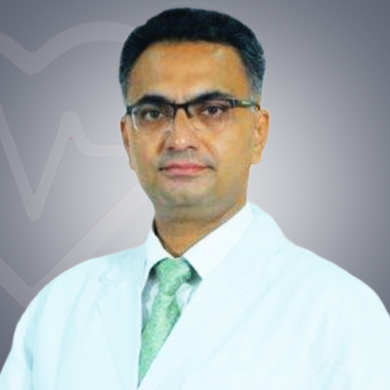
Dr. Puneet Mishra
Orthopaedic Surgeon
25 Years of Experience
Known among his patients for treating with compassion and personal care, Dr. Puneet Mishra is one of the best orthopedic surgeons in New Delhi. Dr. Puneet completed his MBBS from Maulana Azad Medical College in 1996 and from the same college he completed his MS (orthopedics) in 2000. With almost 25+ years of surgical experience under him, Dr. Pankaj takes pride in working with some of the finest medical institutions of the world such as University Hospital, Bern, Maulana Azad Medical College, New Delhi, Endoklinik, Germany, and Professor and Consultant orthopedician at Guru Teg Bahadur Hospital, New Delhi. View More
Last Reviewed - January 2026