Aortic Dissection (Type A) Treatment in Turkey
- Top Accredited Hospitals
- Global Medical Standards
- Cutting-Edge Technology
- Proven Treatment Options
- High Success Rate
- Trusted by Millions

What is an Aortic Dissection (Type A)?
An Aortic Dissection (Type A) occurs when a tear in the inner aortic lining lets blood into the wall, creating a false lumen. Type A involves the ascending aorta and may extend to the aortic root, arch, coronary arteries, or major branches. It can cause serious complications such as rupture, cardiac tamponade, aortic valve leakage, coronary obstruction, stroke, or organ malperfusion. Because it is life-threatening, acute Type A dissection requires immediate emergency surgical evaluation and treatment.
What is the Importance of Timely Treatment?
Type A aortic dissection is a medical emergency. Delayed treatment can increase the risk of life-threatening complications, including aortic rupture, cardiac tamponade, severe aortic regurgitation, myocardial infarction, stroke, kidney injury, intestinal ischaemia, spinal cord injury, and limb ischaemia. Early diagnosis also allows doctors to assess the extent of the dissection and identify involvement of the aortic root, valve, coronary arteries, arch, or other major vessels.
What are the Common Symptoms of an Aortic Dissection (Type A)?
- Sudden, severe chest pain
- Sharp, tearing, or pressure-like chest pain
- Pain spreading to the back, neck, jaw, or abdomen
- Sudden shortness of breath
- Fainting or near-fainting
- Sweating, weakness, or severe anxiety
- Rapid or irregular heartbeat
- Symptoms of stroke, such as weakness, difficulty speaking, or facial drooping
- Weakness, numbness, or pain in a limb due to reduced blood flow
- Unequal blood pressure or pulses between limbs
Causes and Risk Factors of Aortic Dissection (Type A)
Causes
- Long-standing or severe hypertension
- Aortic aneurysm or enlargement of the ascending aorta
- Genetic aortic disorders
- Marfan syndrome
- Loeys-Dietz syndrome
- Vascular Ehlers-Danlos syndrome
- Bicuspid aortic valve with associated aortic disease
- Other inherited or congenital aortic abnormalities
- Atherosclerotic or degenerative changes in the aortic wall
- Previous aortic surgery or procedures
- Significant chest trauma in selected cases
- Pregnancy-associated aortic disease in susceptible individuals
Risk Factors
- Uncontrolled or long-standing high blood pressure
- Family history of aortic disease
- Known thoracic aortic aneurysm
- Genetic connective-tissue disorders
- Bicuspid aortic valve
- Increasing age
- Smoking
- Previous aortic surgery
- Certain inflammatory or vascular disorders
- Cocaine or other stimulant exposure
- Pregnancy in individuals with certain aortic conditions
Latest Research and Technologies in the Treatment of Aortic Dissection (Type A) in Turkey
- Modern Type A aortic dissection care focuses on rapid diagnosis, advanced imaging, specialised cardiac surgery, multidisciplinary teams, and intensive postoperative monitoring. CT angiography and echocardiography help define the dissection and assess cardiac and aortic complications. Recent advances also include hybrid frozen elephant trunk (FET) surgery for complex aortic dissection. surgical treatment may include ascending aortic repair, valve-sparing root procedures, aortic valve replacement, hemiarch or extensive arch reconstruction, and selected hybrid techniques.
Treatment options for Aortic Dissection (Type A)
Emergency Surgical Reconstruction: Type A dissection is a catastrophic surgical emergency with a mortality rate that increases by 1-2% every hour if left untreated. Immediate open-heart surgery is mandatory.
Arch Surgery: The surgeon must choose between replacing only the arch base (hemiarch) or replacing the entire arch and reimplanting the head vessels (total arch replacement), depending on how far the tear extends.
Aortic Root and Valve Procedures: If the dissection tears backwards into the heart, it can cause severe aortic regurgitation or shear off the coronary arteries. This may require procedures such as Surgical Valve Replacement (SAVR) or a David procedure (valve-sparing root replacement).
Bentall procedure : It is an emergency, life-saving open-heart surgery performed when the aortic tear tracks backwards into the heart, destroying both the aortic root and the aortic valve leaflets.
Cost Start From 25000Explore Options
- Clinical assessment:
- Pain assessment: Sudden-onset, severe chest or upper-back pain that radiates to the neck, jaw, or abdomen may raise suspicion.
- Blood pressure and pulse: Doctors compare blood pressure and pulses between limbs to identify differences caused by reduced blood flow.
- Heart examination: Doctors check for abnormal heart sounds, particularly signs of aortic regurgitation or fluid around the heart.
- Neurological assessment: Examination for weakness, numbness, speech difficulties, confusion, or other signs of stroke or reduced cerebral blood flow.
- Circulation and organ perfusion: Doctors assess signs of shock or reduced blood flow to the kidneys, intestines, spinal cord, or limbs.
- Medical and family history: History of hypertension, aortic aneurysm, bicuspid aortic valve, connective-tissue disorders, previous aortic surgery, or family history of aortic disease is reviewed.
- Imaging Tests:
- CT Angiography: Provides rapid, detailed imaging to identify the location, extent, and branch-vessel involvement of the dissection.
- Transoesophageal Echocardiography: Provides detailed assessment of the ascending aorta, aortic root, valves, cardiac function, and complications, particularly when bedside imaging is needed.
- Transthoracic Echocardiography: Evaluates heart function, aortic valve regurgitation, pericardial effusion, and other cardiac complications, although it cannot fully visualise the entire aorta.
- Magnetic Resonance Imaging (MRI): Provides detailed imaging of the aorta and is particularly useful for selected patients during follow-up when immediate emergency imaging is not required.
MediRehab (a chain of Rehab centres, part of MediGence) provides comprehensive tele-rehabilitation services designed to support Aortic Dissection (Type A) patients in Turkey. These services include:
- Gradual walking and aerobic activity: Helps rebuild endurance and mobility under medical supervision.
- Breathing exercises: Support lung function and recovery after major surgery.
- Strength and mobility exercises: Help restore muscle strength and independence while avoiding excessive strain.
- Regular follow-up: Ongoing cardiology and aortic imaging help monitor the repaired and remaining aorta.
- Medicines for Type A aortic dissection primarily reduce stress on the aortic wall, control blood pressure and heart rate, relieve pain, and manage complications, but they do not replace emergency surgery in acute cases. Treatment may include beta-blockers, intravenous antihypertensives, other antihypertensives, analgesics, diuretics, and, when indicated, anticoagulants or antiplatelet medicines.
Instantly Connect with our Specialists


Hospitals for Aortic Dissection (Type A) in Turkey

Acibadem Kadikoy Hospital
Istanbul, Turkey
Acibadem Kadikoy Hospital located in Istanbul, Turkey is accredited by JCI. Also listed below are some of the most prominent infrastructural details:
- The number of beds in the hospital are 138 and Intensive Care beds are 23.
- There are as many as 6.500 access points for a building control system.
- There are 10 Operating theatres and more than 500 employees.
- There are specific healthcare facilities in Acibadem Kadikoy Hospital, Istanbul, Turkey which have been established per integrated healthcare outreach such as Breast Health Center, Check-up Center, and Diabetes Clinic etc.
- The hospital has the very best of Medical Technologies such as Flast CT, da Vinci robot, Magnetom Area MRI, Greenlight, Ortophos XG 3D and Full Body MRI, 4-Dimensional Breast Ultrasound, 3-Dimensional Tomosynthesis Digital Mammography.

Bayindir Healthcare Group
Ankara, Turkey
Bayindir Healthcare Group located in Ankara, Turkey is accredited by ISO, JCI. Also listed below are some of the most prominent infrastructural details:
- Bayindir Healthcare Group comprises 3 hospitals, 6 Dental special clinics and 1 Medical Center.
- Sogutozu Hospital
- Icerenkoy Hospital
- Kavaklidere Hospital
- Levent Medical Center
- Fenerbahce Dental Clinic
- Besiktas Dental Clinic
- Icerenkoy Dental Clinic
- Is Tower Dental Clinic
- Sirinevler Dental Clinic
- Alsancak Dental Clinic
- The International Patient Center was set up in 2010. It is a resource for doctors and the available healthcare services, arranging for consultations and appointments. Also, it manages the travel, transfer, accommodation, visa and insurance resources and translation for international medical travellers.
- Networking with physicians from various countries to ensure knowledge and know how growth and implementation work towards the benefit of patients.

Acibadem Altunizade Hospital
Istanbul, Turkey
Acibadem Altunizade Hospital located in Istanbul, Turkey is accredited by JCI. Also listed below are some of the most prominent infrastructural details:
- The indoor area of Acibadem Hastanesi - Altunizade, Istanbul, Turkey is one of the largest at 98,000 square meters.
- There are 550 beds and as many parking spots.
- 75 of the beds are in the intensive care unit.
- A hybrid operating room which has 3 diagnostic units at one location which is an amazing concept as at one time surgeries can be performed in 3 operating theatres.
- International patients are serviced well through a particular center for them where services related to therapy and diagnostics are done.
- Healthcare delivery in this part of the hospital can be availed in 16 different languages.
- Robotic Surgery and Cell Therapy Unit are representative of the high standards of technology present in the hospital.
Our Services to better your experience
Opinion & Option
We submit the most accurate opinion and options from one or more countries for your review
Consult Privately
Consult with a certified specialist privately on our telemedicine platform even before you decide to travel
Logistics
We handle flights, visas, transfers, and accommodation—so you can focus on your health.
Recovery
Our In-house rehabilitation service packages to better your recovery and treatment outcome
Why Choose Turkey for Aortic Dissection (Type A) Treatment?
- Specialised Aortic and Cardiac Centres: Many specialised hospitals in Turkey have cardiothoracic surgery teams experienced in managing complex aortic conditions, including acute Type A dissection.
- Advanced Diagnostic Facilities: Hospitals may offer CT angiography, transoesophageal echocardiography, cardiac imaging, and intensive monitoring to support rapid diagnosis and treatment planning.
- Multidisciplinary Care: Treatment can involve cardiothoracic surgeons, cardiologists, radiologists, anaesthesiologists, intensivists, and rehabilitation specialists working together.
- Complex Surgical Expertise: Selected centres perform procedures such as ascending aortic replacement, aortic root surgery, valve procedures, hemiarch replacement, and, when clinically indicated, more extensive arch reconstruction.
- Advanced Critical Care: Cardiovascular intensive-care units provide close post-surgery monitoring, including blood-pressure management, cardiac support, neurological assessment, and management of potential complications.
- Rehabilitation and Follow-Up: Patients may have access to cardiac rehabilitation, lifestyle counselling, medication management, and long-term imaging surveillance after treatment.
- Support for International Patients: Many major hospitals have international patient departments that assist with medical records, appointments, treatment coordination, accommodation, and follow-up arrangements.
Frequently Asked Questions

Reviewer
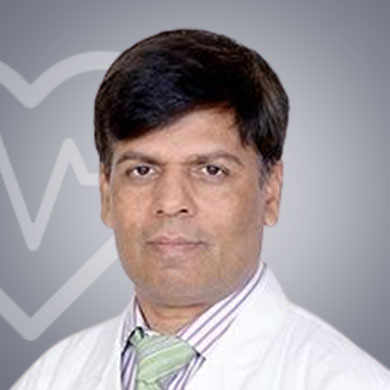
Dr. Nityanand Tripathi
Interventional Cardiologist
29 Years of Experience
With a rich experience of more than 29 years, Dr. Nityanand has gained a vast spectrum of skills and expertise in performing all types of complex cardiac procedures. He is an expert in clinical & interventional cardiology and electrophysiology. He studied his medicine (MBBS) and MD from the Institute of Medical Sciences of Banaras Hindu University, Varanasi, and later completed his DM in Cardiology from the prestigious King George Medical University, Lucknow. View More
Last Reviewed - January 2026