Angiosarcoma Treatment in India
- Top Accredited Hospitals
- Global Medical Standards
- Cutting-Edge Technology
- Proven Treatment Options
- High Success Rate
- Trusted by Millions

What is Angiosarcoma?
Angiosarcoma is a rare cancer that develops in the lining of blood and lymph arteries. The lymphatic vessels are part of the immune system. The lymph vessels transport germs, viruses, and waste items from the body and dispose of them.
This type of cancer can arise anywhere in the body. However, it most commonly affects the skin on the head and neck. It can occasionally form in the skin of other body regions, such as the breast. It may also occur in deeper tissues like the liver and heart. Angiosarcoma can arise in locations previously treated with radiation therapy.
What is the Importance of Timely Treatment?
Angiosarcoma is an aggressive cancer that spreads rapidly; thus, early treatment is essential. Early detection enables effective treatment, such as surgery, radiotherapy, or chemotherapy, which can improve survival rates. Rapid intervention helps to avoid problems such as bleeding, discomfort, and metastases to other organs. It also increases the odds of receiving a specific treatment plan and improves overall quality of life by reducing symptoms. Early management is essential for improving the prognosis and reducing the dangers associated with this rare cancer.
What are the Common Symptoms of Angiosarcoma?
Angiosarcoma signs and symptoms might vary depending on where the cancer is located.
Angiosarcoma of the skin
Angiosarcoma typically develops in the skin of the head and neck. It usually happens on the scalp. Symptoms of this type of angiosarcoma include:
- A bruise-like elevated spot on the skin.
- A bruise-like lesion that becomes larger over time.
- A lesion that can bleed when scraped or bumped.
- Swelling in the skin surrounding the lesion
Organ-affected angiosarcoma
- When angiosarcoma affects organs like the liver or the heart, it frequently causes pain. Other symptoms are dependent on the location of the angiosarcoma.
Causes and Risk Factors of Angiosarcoma
Causes
- Angiosarcoma develops when cells in the lining of a blood or lymph artery undergo DNA alterations. A cell's DNA includes instructions that tell it what to do. Mutations are alterations that cause cells to reproduce rapidly. The modifications allow the cells to survive when healthy cells would die.
- The result is a mass of cancer cells that can spread beyond the blood or lymph vessels. Cancer cells can infiltrate and kill healthy human tissue. Cancer cells may eventually separate and spread throughout the body.
Risk Factors
- The following factors may raise the risk of angiosarcoma:
- Age and gender: While angiosarcoma can occur at any age, those over the age of 60 are more prone to acquire it. Men are more likely than women to have primary angiosarcoma.
- Radiation therapy: Radiation therapy for cancer or other illnesses can raise the risk of developing angiosarcoma. Angiosarcoma is an uncommon complication of radiation therapy.
- Chronic lymphedema: It is defined as swelling caused by a buildup of lymph fluid. It occurs when the lymphatic system becomes obstructed or injured.
- Chemical exposure: Several substances have been related to liver angiosarcoma.
- Genetic syndromes: Certain genetic alterations that people can be born with can increase their risk of developing angiosarcoma. Examples include gene alterations that produce neurofibromatosis, Maffucci syndrome, Klippel-Trenaunay syndrome, and the BRCA1 and BRCA2 genes.
Connect with our advisor for a PRIORITY response
Latest Research and Technologies in the Treatment of Angiosarcoma in India
- In India, the most recent research and technology for treating angiosarcoma are primarily focused on integrated treatments involving surgery, radiation therapy, and targeted therapeutics, with an increasing interest in immunotherapy possibilities.
- However, access to advanced treatments may be limited due to the rarity of the disease and the cost of newer medications, with ongoing research exploring more affordable and accessible treatment strategies like medication repurposing and metronomic chemotherapy.
Angiosarcoma Prevention Tips
Some Tips for Preventing Angiosarcoma:
- Reduce Radiation Exposure: Limit unnecessary radiation exposure.
- Avoiding persistent lymphedema can help lessen the risk.
- Follow a healthy diet and workout program.
- Be vigilant for signs like swelling, lumps, or skin changes, and seek early medical attention if they appear.
- Workplace Safety: Those working in industries that use chemicals should take appropriate safety procedures to reduce exposure.
Treatment options for Angiosarcoma
Treatment options could include:
Surgery: The purpose of surgery is to remove the entire angiosarcoma. Your surgeon will remove both the cancer and some of the good tissue surrounding it.
Radiation therapy: Radiation therapy kills cancer cells by using high-energy beams like X-rays and protons. Radiation therapy is occasionally performed following surgery to eliminate any remaining cancer cells.
Chemotherapy: Chemotherapy is a treatment that employs medications or chemicals to eliminate cancer cells. Chemotherapy may be used if the angiosarcoma has progressed to other parts of the body.
Cost Start From USD 600 - USD 700Explore Options
Targeted medication therapy: Targeted medication treatments tackle specific compounds in cancer cells.
Cost Start From USD 8000 - USD 12000Explore Options
Immunotherapy: Immunotherapy harnesses the immune system to combat cancer. Immunotherapy for angiosarcoma may be a treatment option for advanced malignancy.
Cost Start From USD 3000 - USD 5000Explore Options
Angiosarcoma diagnosis involves the following tests and procedures:
- Physical examination: Your healthcare practitioner will do a thorough exam to determine your condition.
- Removing a tissue sample for testing: Your provider may take a sample of questionable tissue for laboratory analysis. This operation is known as a biopsy. Laboratory tests can discover cancer cells. Special testing can provide your doctor with more information about the cancer cells.
- Imaging testing: Imaging tests can help your provider determine the degree of the malignancy. MRI, CT, and PET scans are among the possible tests. Your specific situation will determine the tests you undergo.
Angiosarcoma patients' rehabilitation focuses on their physical, emotional, and mental recovery following therapy. Key rehabilitation options include:
Physical therapy: It improves mobility, strength, and flexibility following surgery or radiation, mainly if the tumour is located in a limb or other movable location. It helps to control fatigue and pain.
Pain Management: Treating chronic pain with medicine, alternative therapies, and counselling can improve comfort and quality of life.
Psychosocial support: It is counselling or support groups that help people cope with emotional issues, anxiety, and depression after a cancer diagnosis and treatment.
Occupational Therapy: Assisting patients with everyday tasks and regaining independence if physical limitations caused by surgery or treatment interfere with their normal activities.
Depending on the circumstances, your doctor may prescribe medication to assist you in managing your symptoms and support your treatment plan.
Treatment regimens are adapted to the patient's specific cancer stage and location.
Instantly Connect with our Specialists


Hospitals for Angiosarcoma in India

Medanta - The Medicity
Gurgaon, India
Medanta – The Medicity, Gurugram, founded by renowned cardiac surgeon Dr. Naresh Trehan, is a leading multi-super speciality hospital offering advanced yet affordable healthcare. Spread across a 43-acre campus, it houses 1,391 beds, 270 ICU beds, 40 operation theatres, and 900+ doctors across 30+ specialities. Accredited by JCI, NABH, and NABL, Medanta is designed per American Institute of Architects’ healthcare guidelines. Recognised as the Best Private Hospital in India (2020–2025) and among the World’s Top 250 Hospitals (Newsweek 2024), it excels in Cardiac Care, Cancer, Neurosciences, Gastro, Orthopaedics, and Renal Care, ensuring world-class, collaborative, and compassionate treatment.
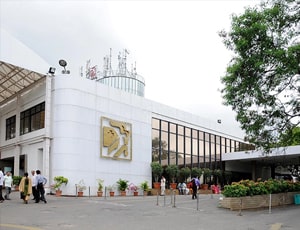
Apollo Hospitals
Hyderabad, India
Apollo Hospitals located in Hyderabad, India is accredited by JCI, NABH. Also listed below are some of the most prominent infrastructural details:
- A premier multi-specialty hospital with 477-bed capacity
- More than 50 specialties, super-specialties
- 12 Centers of Excellence
- The Institutes for Heart Diseases, Neurosciences, Cancer, Emergency, Orthopaedics, Renal Diseases, and Transplants
- Centers of Excellence are known for patient care, training and research
- Doctors with years of truly global experience in healthcare delivery

Star Hospitals
Hyderabad, India
Star Hospitals located in Hyderabad, India is accredited by NABH, NABL. Also listed below are some of the most prominent infrastructural details:
- The bed capacity of Star Hospitals, Hyderabad, India is 130.
- The hospital has Intensive Care Units which are upgraded with the latest technologies.
- International patient care services are applied to make the process of medical travel easier for international patients.
- Centres of Excellence across disciplines such as Cardiac Sciences, Renal Sciences, Critical Care, ENT, Spine Surgery etc.
- A radiology centre which has been digitised.
- There are Centers of Excellence for prominent specialties such as cardiac care and neurosciences, there are a total of six.
Our Services to better your experience
Opinion & Option
We submit the most accurate opinion and options from one or more countries for your review
Consult Privately
Consult with a certified specialist privately on our telemedicine platform even before you decide to travel
Logistics
We handle flights, visas, transfers, and accommodation—so you can focus on your health.
Recovery
Our In-house rehabilitation service packages to better your recovery and treatment outcome
Why Choose India for Angiosarcoma Treatment?
Here are some of the reasons for choosing India:
- Due to advancements in medical facilities, such as minimally invasive surgical techniques.
- World-class experts include highly experienced doctors, JCI, and NABH-accredited healthcare institutions.
- Compared to other countries, treatment in Indian hospitals is cost-effective.
- Indian hospitals provide International patient services, including a multilingual support system.
- Improved treatment methods and biological therapies.
Frequently Asked Questions
Angiosarcoma is a rapidly developing malignancy. You may care for yourself by slowing down. Allow yourself time to process what is occurring to your body. Discuss with your healthcare practitioner what steps you can take to help your therapy. Here are some suggested steps that could help:
- Try to reduce your stress.
- Allow yourself to rest.
- Try to eat healthily regularly.
Angiosarcoma may or may not be painful. For example, angiosarcomas in your liver and spleen may produce pain in your upper abdomen, but only after they have grown in size and advanced. Angiosarcomas on the skin may not cause any discomfort. Instead, they may appear as a persistent or spreading bruise.
Yes, angiosarcoma can spread fast to other regions, including the lungs, liver, and lymph nodes, so early identification is critical.
The cancer stage determines the prognosis and how early it is identified. Early diagnosis and aggressive treatment increase the likelihood of survival. Nonetheless, it remains a problematic malignancy to cure.
Angiosarcoma is a rare cancer seen globally, especially in India. It has a low incidence and is frequently underdiagnosed since it is infrequent.
Angiosarcoma is a highly aggressive malignancy that spreads rapidly. Early detection and therapy are critical to controlling its progression.
While alternative medicine may provide supportive care, such as symptom management or overall well-being, traditional treatments, such as surgery, chemotherapy, and radiation, are essential for controlling angiosarcoma. Always consult a doctor before attempting any alternative therapies.
The survival rate varies according to the tumour's stage and the timing of treatment. Angiosarcoma, in its early stage,s can be treated with surgery and multiple medications to improve the prognosis.
Angiosarcoma is more frequent in adults, but it can also affect children and young adults, but this is highly unusual. When this occurs, it usually affects the skin or soft tissues.

Reviewer

Dr. Mohit Agarwal
Medical Oncologist
14 Years of Experience
One of the finest Oncologist in New Delhi, India, Dr. Mohit Agarwal has worked with several world class multidisciplinary hospitals over the years. Dr. Mohit Agarwal has over 14+ years of experience in his field. The doctor treats and manages a wide range of conditions such as Stomach Cancer, Rectal Cancer, Breast Cancer, Brain Cancer View More
Last Reviewed - January 2026