Adeosquamous Carcinoma Treatment in United Arab Emirates
- Top Accredited Hospitals
- Global Medical Standards
- Cutting-Edge Technology
- Proven Treatment Options
- High Success Rate
- Trusted by Millions

What is Adenosquamous Carcinoma?
Adenosquamous carcinoma is a rare type of cancer with both squamous cell carcinoma (squamous) and adenocarcinoma (glandular) characteristics. The lungs, pancreas, cervix, colon, and bladder are the organs where the mixed tumour can form. Squamous cells are flat and look like skin cells, while adenocarcinoma cells form structures like glands. When both cell types exist, detection and treatment could be more complicated.
Types of Adenosquamous Carcinoma
Adenosquamous carcinoma can affect various organs, and the types are usually classified based on the location of occurrence. Common types are:
Lung Adenosquamous Carcinoma: This rare variety of non-small cell lung carcinoma (NSCLC) contains squamous and adenocarcinomatous features.
Cervical Adenosquamous Carcinoma: One variety of cervical cancer that unites features of squamous cell carcinoma and adenocarcinoma is known as cervical adenosquamous carcinoma.
PancreaticAdenosquamousCarcinoma: This rare and virulent organ contains adenosquamous and squamous cell carcinoma elements.
Colorectal Adenosquamous Carcinoma is a rare form of colorectal cancer with both squamous and glandular (adenocarcinomatous) elements.
Biliary Adenosquamous Carcinoma: A bile duct malignancy containing squamous and adenocarcinomatous features.
What is the Importance of Timely Treatment?
When adenosquamous cell carcinoma is treated early, the chance of successful treatment and survival is significantly enhanced. Early detection and intervention can make surgery, chemotherapy, or radiation therapy easier to handle by preventing metastasis or the spread of the cancer to other areas of the body. Delaying treatment can aggravate the prognosis and reduce the efficacy of therapies because it raises the chances that the tumour will advance to more difficult-to-treat phases.
What are the Common Symptoms of Adenosquamous Carcinoma?
The general symptoms of adenosquamous carcinoma vary based on the site of the tumour.
But general symptoms can include:
- Pain or discomfort in the location (e.g., the abdomen, chest, or pelvis).
- Unexpected weight loss.
- Weakness or fatigue.
- Coughing or difficulty breathing (if in the lungs).
- Jaundice (yellowing of the eyes and skin, if in the liver or bile ducts).
- Alterations in bowel movement.
- Pelvic pain or irregular bleeding (if in the cervix).
Causes and Risk Factors of Adenosquamous Carcinoma
Causes
Chronic inflammation and tobacco use are two variables that can raise the risk of developing adenosquamous carcinoma, and the exact causes of this type of cancer are not entirely understood.
Risk Factors
- Tobacco Use
- Human Papillomavirus (HPV) Infection)
- Chronic Inflammation or Irritation (due to conditions like chronic lung disease or biliary issues)
- Age
Connect with our advisor for a PRIORITY response
Latest Research and Technologies in the Treatment of Adenosquamous Carcinoma in the United Arab Emirates
Treatment for adenosquamous carcinoma in the United Arab Emirates is moving fast, specifically in applying the latest technologies and cross-speciality techniques. To locate malignancies while minimising exposure to adjacent healthy tissues, clinics are employing state-of-the-art radiation treatments such as Image-Guided Radiation Therapy (IGRT) and Intensity-Modulated Radiation Therapy (IMRT).
Treatment options for Adeosquamous Carcinoma
Surgery: Surgical resection is the primary treatment, mainly if the tumour is localised and treatable.
Chemotherapy: This treatment is often used when the cancer is advanced or spread. It reduces tumour size and controls symptoms.
Cost Start From USD 800 - USD 6000Explore Options
Radiation therapy: It is applied to kill the remaining cancer cells following surgery or to cure localised tumours, especially if surgery is not feasible.
Targeted Therapy: can target cancer cells if specific genetic mutations occur.
Cost Start From USD 5500 - USD 54000Explore Options
- Imaging tests:
- Computed Tomography (CT) scan: Helps identify the tumour's size, site, and spread.
- MRI creates highly detailed pictures that are beneficial for soft tissues.
- A biopsy is the ultimate diagnostic test. In it, tissue samples from the suspected tumour are excised and examined under a microscope.
- Depending on the situation, your healthcare professional may prescribe medicine to help control your symptoms and support the treatment plan.
Instantly Connect with our Specialists


Hospitals for Adeosquamous Carcinoma in United Arab Emirates

Zulekha Hospital Dubai
Dubai, United Arab Emirates
- A highly skilled multidisciplinary medical staff supports patients through the hospital's advanced diagnostic capabilities, joint replacement surgeries, cardiac catheterisation, neonatal intensive care, and specialised cancer care and rehabilitation services. The hospital uses the latest technology and is internationally accredited for providing quality healthcare based on scientific evidence, providing safe, high-quality care to patients, providing individualised treatment plans, and providing services to international patients.

Zulekha Hospital Sharjah
Sharjah, United Arab Emirates
- A highly skilled multidisciplinary medical staff supports patients through the hospital's advanced diagnostic capabilities, joint replacement surgeries, cardiac catheterisation, neonatal intensive care, and specialised cancer care and rehabilitation services. The hospital uses the latest technology and is internationally accredited for providing quality healthcare based on scientific evidence, delivering safe, high-quality care to patients, offering individualised treatment plans, and serving international patients.

Burjeel Medical City
Abu Dhabi, United Arab Emirates
The Hospital owns an International Patient Services Team that is responsible to assist international patients with world-class healthcare, transportation arrangement, accommodation facilities, language interpreters, and much more.
Burjeel Medical City (about 1.2 million square facilities)provides 7-star hospitality to its patients. It has the largest facility space bed among all the private hospitals. The Hospital consists of-
- Large waiting areas and consultation rooms
- Spacious lobbies on each floor
- 338 Luxurious Patient Rooms
- 70 Ambulatory Rooms
- Intensive Care Units
- The Hospital comprises various centers, under Burjeel Cancer Institute-
- Breast Center
- Uro-oncology Center
- Surface Malignancy Center (HIPC)
- Head & Oncology Center
- Medical Oncology & Hematology Center and others
Our Services to better your experience
Opinion & Option
We submit the most accurate opinion and options from one or more countries for your review
Consult Privately
Consult with a certified specialist privately on our telemedicine platform even before you decide to travel
Logistics
We handle flights, visas, transfers, and accommodation—so you can focus on your health.
Recovery
Our In-house rehabilitation service packages to better your recovery and treatment outcome
Why Choose the United Arab Emirates for Adenosquamous Carcinoma Treatment?
The United Arab Emirates's advanced medical facilities, highly trained oncologists, and affordable healthcare make it among the most popular options for treating adenosquamous carcinoma. The country offers the latest diagnostic procedures, advanced therapies such as immunotherapy, and surgical expertise. Due to its many internationally recognised hospitals that provide personalised treatment, the United Arab Emirates is a sought-after option for effective and cost-saving cancer therapy.
Frequently Asked Questions
The site of the tumour, the malignancy stage, and the treatment response all influence the prognosis of patients with adenosquamous carcinoma in the United Arab Emirates. Early detection and treatment at advanced cancer centres can improve survival. The prognosis is less favourable if the diagnosis is delayed or occurs with metastases. Access to modern treatments such as radiation therapy, chemotherapy, and surgery in the United Arab Emirates improves outcomes.
In the United Arab Emirates, the location and site of adenosquamous carcinoma typically dictate the treatment process. Recovery might take a few weeks after a few hours of surgery. Radiation therapy usually takes 3-5 weeks, but chemotherapy usually takes 3-6 months.
The duration of immunotherapy or targeted therapy may vary depending on the patient's response and ongoing treatment schedules. In every case, the overall duration of treatment may be a few months or even longer than a year.
Depending on its primary location, adenosquamous carcinoma can spread to other organs, such as the liver, lungs, lymph nodes, and bones. In the United Arab Emirates, as in different parts of the world, cancer can metastasise if not diagnosed and treated early.
Early detection and prompt treatment at specialised cancer centres can help prevent or manage the spread of the disease to other organs, improving the chances of a better prognosis.
The following lifestyle changes can control adenosquamous carcinoma in United Arab Emirates: consuming a well-balanced diet rich in fruits, vegetables, and whole grains to enhance immunity; exercising regularly to improve strength and power; avoiding tobacco and alcohol to reduce the risk of cancer recurrence; following stress-reduction practices such as yoga or meditation; and maintaining follow-up visits to manage treatment side effects effectively and monitor for recurrence.
Yes, you can get a second opinion on Adenosquamous treatment in the United Arab Emirates through MediGence. With MediGence, you can connect with highly experienced professionals from top UAE hospitals who can provide additional information regarding your diagnosis and treatment options.
The platform facilitates easy access to professional help so you can make informed healthcare choices and receive the best care possible.
To find a certified cancer specialist, search MediGence’s website, which offers a list of top-class and internationally trained oncologists from the United Arab Emirates's best hospitals. Through MediGence, you can search the profiles of specialists, check their credentials, reviews, and experience, and book online consultations.
To get the best care for your condition, the website also assists you in finding the best hospitals and provides personalised assistance for your health requirements.
Author

Dr. Shagufta Parveen
Dr. Shagufta Parveen is a Clinical researcher and medical writer with expertise in clinical pharmacology and pharmacotherapeutics. She holds a B.Pharm and Doctor of Pharmacy (Post-Baccalaureate) degree from Teerthanker Mahaveer University, Moradabad.
During her clinical stint at BLK-Max Super Speciality Hospital and Indraprastha Apollo Hospital, she gained hands-on experience in the Clinical Pharmacology Department. Combining scientific knowledge with strong medical writing skills, Dr. Shagufta develops evidence-based healthcare content, treatment guides, and patient education resources.
Her work focuses on simplifying complex medical concepts while maintaining scientific accuracy, helping readers better understand healthcare advancements and treatment options.
In addition to her writing expertise, she is actively involved in scientific research and has contributed to peer-reviewed publications.
Her research work is accessible through the following links:
https://scholar.google.com/citations?user=lMVK1eIAAAAJ&hl=en
https://carcinogenesis.com/index.php/JOC/article/view/870
https://carcinogenesis.com/index.php/JOC/article/view/868
https://wjpsronline.com/abstract/0000000760
View MoreReviewer
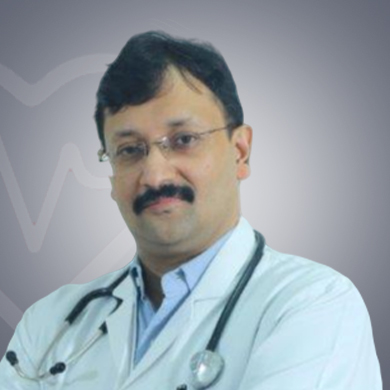
Dr. Mohit Agarwal
Medical Oncologist
14 Years of Experience
One of the finest Oncologist in New Delhi, India, Dr. Mohit Agarwal has worked with several world class multidisciplinary hospitals over the years. Dr. Mohit Agarwal has over 14+ years of experience in his field. The doctor treats and manages a wide range of conditions such as Stomach Cancer, Rectal Cancer, Breast Cancer, Brain Cancer View More
Last Reviewed - January 2026