Acute Cholecystitis Treatment in Turkey
- Top Accredited Hospitals
- Global Medical Standards
- Cutting-Edge Technology
- Proven Treatment Options
- High Success Rate
- Trusted by Millions

What is an Acute Cholecystitis?
Acute cholecystitis is a sudden inflammation of the gallbladder, most commonly caused by a gallstone blocking the cystic duct. The blockage can lead to bile accumulation, gallbladder inflammation, swelling, and sometimes infection. Less commonly, acute cholecystitis can occur without gallstones, particularly in people who are critically ill or have certain serious medical conditions. If untreated, severe inflammation can result in complications such as gallbladder tissue death, perforation, abscess formation, or infection spreading into the abdominal cavity.
What is the Importance of Timely Treatment?
Timely treatment is important because acute cholecystitis can progress from localised gallbladder inflammation to more serious complications. Early assessment helps determine disease severity, identify gallstones or other causes of obstruction, assess infection and organ function, and select appropriate treatment. For patients who are suitable surgical candidates, early laparoscopic cholecystectomy is generally the preferred definitive treatment. Patients with severe disease or high surgical risk may require antibiotics, supportive treatment, gallbladder drainage, or delayed surgery depending on their clinical condition.
What are the Common Symptoms of an Acute Cholecystitis?
- Sudden or persistent pain in the upper right abdomen
- Pain that may spread to the right shoulder or back
- Abdominal tenderness, particularly beneath the right ribs
- Pain that may worsen after eating
- Fever and chills
- Nausea and vomiting
- Loss of appetite
- Abdominal bloating or discomfort
- Elevated heart rate
- General weakness or feeling unwell
- Jaundice in some patients, particularly when there is associated bile-duct obstruction
Causes and Risk Factors of Acute Cholecystitis
Causes
- Gallstone blocking the cystic duct
- Gallbladder inflammation caused by prolonged obstruction
- Bacterial infection occurring in association with biliary obstruction
- Acute acalculous cholecystitis without gallstones
- Reduced gallbladder blood supply in severe systemic illness
- Bile stasis
- Major trauma, burns, or critical illness
- Certain severe infections or systemic medical conditions
Risk Factors
- Gallstones or previous biliary colic
- Previous episodes of cholecystitis
- Female sex
- Increasing age
- Obesity
- Rapid weight loss
- Pregnancy or increased estrogen exposure
- Diabetes and metabolic disorders
- Family history of gallstones
- Hemolytic disorders that increase pigment-stone formation
- Liver disease or cirrhosis
- Prolonged fasting or parenteral nutrition
- Critical illness, major surgery, trauma, or burns
Latest Research and Technologies in the Treatment of Acute Cholecystitis in Turkey
- Current management of acute cholecystitis focuses on accurate diagnosis, early treatment, and prevention of complications. Abdominal ultrasound is usually the first imaging test, while CT, MRI/MRCP, or hepatobiliary scintigraphy may be used when further assessment is needed. Early laparoscopic cholecystectomy is the preferred definitive treatment for most patients who can safely undergo surgery. For patients who are unsuitable for surgery because of critical illness or other major risks, image-guided or endoscopic gallbladder drainage may be considered. ERCP can help remove stones from the common bile duct when obstruction is present, but it is not routinely required for isolated gallbladder inflammation. Some specialist centres may offer advanced endoscopic drainage techniques for selected patients. The availability of these procedures varies between hospitals in Turkey.
Treatment options for Acute Cholecystitis
Laparoscopic Cholecystectomy: Laparoscopic removal of the gallbladder is the preferred definitive treatment for most patients who are appropriate surgical candidates. Early surgery treats the source of inflammation and reduces the risk of recurrent attacks and complications.
Gallbladder Drainage: Critically ill patients or those at high risk for surgery may require gallbladder drainage instead of immediate surgery. Percutaneous cholecystostomy or other drainage techniques may control infection and inflammation, with subsequent management determined by the patient's recovery and surgical suitability.
Treatment of Bile-Duct Stones: If a stone obstructs the common bile duct, ERCP or another appropriate procedure may be needed to clear the obstruction. The treatment plan depends on the stone's location and the patient's condition.
- Clinical assessment:
- Medical and Symptom History: Evaluation includes the onset, location, duration, and severity of abdominal pain, relationship to meals, nausea or vomiting, fever, chills, jaundice, previous gallstone attacks, previous abdominal surgery, medical conditions, medications, and risk factors for gallstone disease.
- Physical Examination: The clinician assesses the abdomen for right upper-quadrant tenderness, guarding, abdominal distension, fever, and other signs of systemic illness. A positive Murphy-type finding may support the diagnosis when consistent with the overall clinical picture.
- Laboratory Assessment: Blood tests may include complete blood count, inflammatory markers, liver enzymes, bilirubin, kidney function, electrolytes, and pancreatic enzymes when clinically indicated.
- Severity and Complication Assessment: Patients are evaluated for systemic inflammatory response, organ dysfunction, sepsis, gallbladder gangrene, perforation, abscess formation, bile-duct obstruction, and pancreatitis.
- Preoperative Assessment: Patients being considered for surgery may undergo cardiovascular, respiratory, anesthetic, nutritional, and metabolic assessment, particularly when they are older, have significant comorbidities, or present with severe disease.
- Imaging Tests:
- Abdominal Ultrasound: Usually the initial imaging investigation. It can identify gallstones, gallbladder wall thickening, gallbladder enlargement, pericholecystic fluid, and other findings that support acute cholecystitis.
- CT Scan: May be used when ultrasound is inconclusive or when complications such as perforation, abscess, gangrene, or alternative abdominal pathology are suspected.
- MRI/MRCP: Magnetic resonance imaging and magnetic resonance cholangiopancreatography may be used when additional assessment of the gallbladder or bile ducts is required.
- Hepatobiliary Scintigraphy: A HIDA scan may be considered in selected patients when the diagnosis remains uncertain after clinical assessment and ultrasound.
- Endoscopic Ultrasound or ERCP: These may be considered when common bile-duct stones or other biliary obstruction is suspected. ERCP can also treat bile-duct stones that require removal.
MediRehab (a chain of Rehab centres, part of MediGence) provides comprehensive tele-rehabilitation services designed to support patients with Acute Cholecystitis in Turkey. These Services include:
- Early Mobilisation: Walking and gentle movement are generally encouraged after stabilisation or surgery, as tolerated, to support recovery and reduce complications from prolonged inactivity.
- Gradual Activity Progression: Physical activity can usually be increased progressively after laparoscopic or open surgery according to the surgical team's recommendations.
- Postoperative Wound and Pain Management: Patients should follow instructions regarding incision care, pain control, lifting restrictions, and signs of infection after cholecystectomy.
- Medication treatment for acute cholecystitis generally focuses on controlling pain, supporting hydration and correcting electrolyte abnormalities, and treating suspected bacterial infection when indicated. Clinicians may use analgesics such as nonsteroidal anti-inflammatory drugs and other pain medicines based on the patient's condition, while selecting antibiotics based on severity, suspected organisms, local resistance patterns, allergies, kidney function, and institutional protocols.
Instantly Connect with our Specialists


Hospitals for Acute Cholecystitis in Turkey

Medipol Bahçelievler Hospital
Istanbul, Turkey
Medipol Bahcelievler Hospital is a medical institution providing a full range of medical and individualized approaches to its patients. Medipol has the ambition to bring high quality and maximum security to people in need by employing state-of-the-art technologies in medicine. They ensure that the health of the patients is improved by fashioning unique physician specialty treatment programs.
Medipol Bahcelievler Hospital provides an exceptional position in the healthcare industry with a policy of clear communication, professionalism, and reliability to patient expectations. Medipol Bahçelievler Hospital is situated in the European Side of Istanbul, dedicated to 24-hour health care for you and your loved ones, equipped with a fully functional operation theatre and ICUs with state-of-the-art equipment, laboratory, emergency, and advanced treatment rooms
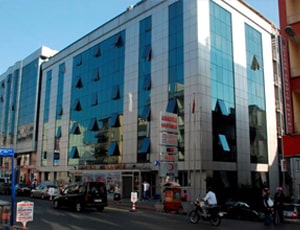
Eregli Anadolu Hospital
Zonguldak, Turkey
Apart from in-detail treatment procedures available, Eregli Anadolu Hospital located in Zonguldak, Turkey has a wide variety of facilities available for International Patients. Some of the facilities which are provided by them are Accommodation, Airport Transfer, Choice of Meals, Interpreter, SIM, TV inside room. Also listed below are some of the most prominent infrastructural details:
- Latest cutting edge technology applied in the diagnostic and medical treatment equipment and processes.
- Complex and critical conditions have been treated by the hospital over time.
- Inbuilt area is 9000 square meters
- 130 inpatient bed capacity
- 30 physicians working in the hospital
- A number of polyclinics
- Diagnostic facilities such as with imaging, sleep labs, biochemistry labs
- Emergency rooms available
- Intensive care units for critical cases
- Operation theatres with latest facilities

Baskent University Istanbul Hospital
Istanbul, Turkey
Baskent University Istanbul Hospital located in Istanbul, Turkey is accredited by ISO. Also listed below are some of the most prominent infrastructural details:
- 13.000 square meters indoor area
- Aesthetically designed Inpatient rooms
- Latest healthcare equipments
- 105 bed capacity
- 5 operating rooms
- 38 bed capacity in the Intensive Care Unit
- 609 healthcare personnel and healthcare professors
- Translation services for International patients
Our Services to better your experience
Opinion & Option
We submit the most accurate opinion and options from one or more countries for your review
Consult Privately
Consult with a certified specialist privately on our telemedicine platform even before you decide to travel
Logistics
We handle flights, visas, transfers, and accommodation—so you can focus on your health.
Recovery
Our In-house rehabilitation service packages to better your recovery and treatment outcome
Why Choose Turkey for Acute Cholecystitis Treatment?
- Experienced Gastrointestinal and Hepatobiliary Surgeons: Hospitals in Turkey have surgeons experienced in managing acute cholecystitis, gallstones, bile-duct obstruction, and complicated gallbladder disease.
- Advanced Diagnostic Facilities: Many centres offer ultrasound, CT, MRI/MRCP, laboratory testing, endoscopy, and other investigations needed for diagnosis and severity assessment.
- Minimally Invasive Surgery: Suitable patients may have access to laparoscopic cholecystectomy and advanced minimally invasive techniques, with open surgery available when clinically required.
- Comprehensive Emergency and Critical Care: Advanced hospitals can provide emergency surgery, ERCP, gallbladder drainage, anesthesia, intensive care, and multidisciplinary management for complicated cases.
- International Patient Support: Major hospitals in Turkey may provide medical-record review, specialist coordination, treatment scheduling, travel assistance, accommodation support, and postoperative follow-up for international patients.
Frequently Asked Questions

Reviewer

Dr. Pradeep Jain
General & Laparoscopic Surgeon
33 Years of Experience
Dr. Pradeep Jain has completed his MBBS, MS - General Surgery, MCh - Surgical Gastroenterology/G.I. Surgery, and MCh - Surgical Oncology. He is a GastroIntestinal Surgeon, General Surgeon, Surgical Oncologist, Bariatric Surgeon par excellence with total experience of 36 years of which about 33+ years have been as a specialist View More
Last Reviewed - January 2026