94 Specialists
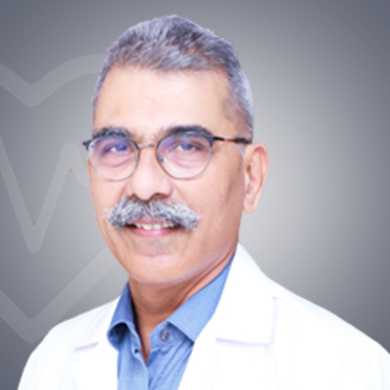
Dr. Sanjeev Y Vichare
nanavati Super Speciality Hospital, India, Mumbai
Cardiac enterologist • 37 years experience
Hindi EnglishDr Sanjeev Y Vichare is one of the top Cardio Thoracic & Vascular Surgeon in Mumbai, India. The medical practitioner holds over 18 years of experience and is associated with Nanavati Super Speciality Hospital.
Qualifications :
- MBBS-1987
- DNB(GEN. SURGERY)-2001
- MRCS (Edin)-2003
- FRCS (C-Th)-2008
Hospital Address :
Nanavati Super Speciality Hospital, LIC Colony, Suresh Colony, Vile Parle West, Mumbai, Maharashtra, India
Medical Expertise of Dr. Sanjeev Y Vichare
- Dr. Vichare is very passionate about achieving the best possible results in regular cardiac surgery, such as Coronary Artery Bypass and Valve Replacement operations
- To name a few, Dr. Vichare has a special interest (apart from routine CABG and valve replacement) in performing Mitral valve repair, Aortic root surgeries, Redo cardiac surgeries, Left ventrical reconstruction, High risk cardiac operations, and Grown-up congenital heart operations.
- Dr. Sanjeev Y. Vichare is a famous Cardiac Surgeon with approximately 16+ years of expertise.
- He is particularly interested in coronary artery surgery in patients with globally ischemic ventricles, MVR, particularly in the setting of myxomatous mitral valve disease and heart failure, aortic root and aortic arch surgery, and cardiac re-interventions.
- He has performed over 1875+ open heart operations. Many of these operations were very complex cardiac surgeries.
- He has articles published in both international and national medical journals.
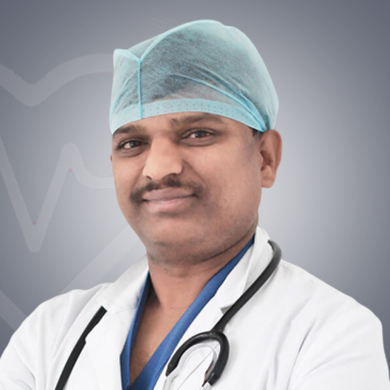
Dr Ravi Chandra J B is one of the most sought after Cardio Thoracic & Vascular Surgeon in Bengaluru, India. The doctor holds over 20 years of experience and is associated with Sakra World Hospital.
Association and Memberships Dr. Ravi Chandra J B is part of:
- European Cardiovascular Medical Devices Group
- Royal Australasian College of Surgeons
Certifications :
- DNB - National Board of Examination, India, 2007
Qualifications :
- MBBS
- DNB
- MCh
- MRCH
Hospital Address :
Sakra World Hospital, Devarabisanahalli, Bellandur, Bengaluru, Karnataka, India
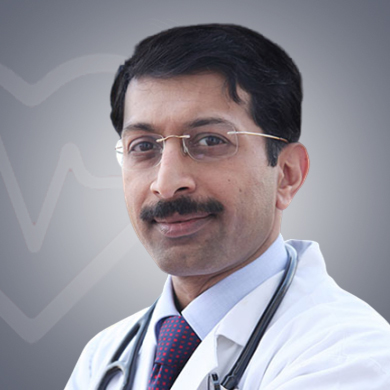
Dr. Sathyaki P Nambala
Apollo Hospitals Bannerghatta, India, Bangalore
Cardiac enterologist • 19 years experience
Kannada EnglishDr Sathyaki P Nambala is one of the best Cardio Thoracic & Vascular Surgeon in Bengaluru, India. The medical specialist holds over 17 years of experience and is associated with Apollo Hospitals Bannerghatta.
Association and Memberships Dr. Sathyaki P Nambala is part of:
- Karnataka Medical Council
Qualifications :
- MS
- MBBS
- MCh
Hospital Address :
Apollo Hospitals Bannerghatta Road - Best Hospital in bangalore, Krishnaraju Layout, Amalodbhavi Nagar, Panduranga Nagar, Bengaluru, Karnataka, India
Medical Expertise of Dr. Sathyaki P Nambala
- Dr. Sathyaki is one of the leading authorities in the country to treat heart, lung and vascular diseases
- His major sub-specialities include Cardiothoracic Surgery, Cardiology, Cardiovascular Surgery, and Pediatric Cardiology
- Dr. Sathyaki holds expertise in performing following procedures- Minimally invasive valve and CABG, Beating heart CABG, Pacemaker implantation, Complex Valve Repair, Redo surgery, Aortic aneurysm surgery, and Complex aortic root surgery
- Dr. Sathuaki is regarded as the Asiaâs first minimal invasive cardiac keyhole surgeon
- He is mainly recognized for performing complicated heart valve replacements/repairs via a keyhole also termed Totally Endoscopic Heart Surgery.
- He has significant experience in complex valve repairs and is well known for his skills in complicated cardiac operations
- He is also a member of Karnataka Medical Council.
- Dr. Sathyaki P Nambala bestway communicate in English,Hindi with their patients.
Do you know?
Using MediGence’s Telemedicine Platform, you can book a personalized video consultation with renowned doctors around the world

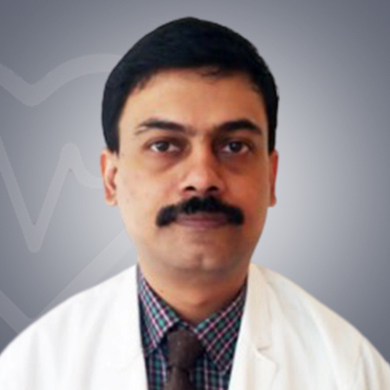
Dr. Swapnadeep Roy
Sharda Hospital, India, Noida
Cardiac enterologist • 18 years experience
Hindi EnglishDr Swapnadeep Roy is one of the best Cardiac Surgeon in Greater Noida, India. The clinician holds over 18 years of experience and is associated with Sharda Hospital.
Association and Memberships Dr. Swapnadeep Roy is part of:
- Mayo Clinic Alumni Association
- Indian Association of Cardiovascular and Thoracic Surgeons
Certifications :
- Fellowship Advanced Cardiac Surgery - Mayo Graduate School, 2006 - 2007
- Fellowship in Cardiovascular Surgery - Texas Heart Institute, Houston, 2005 - 2006
Qualifications :
- MCh
- MS
- MBBS
Hospital Address :
Sharda Health City, Knowledge Park III, Greater Noida, Uttar Pradesh, India
How it Works
- Choose the doctor/doctor type
- Book a Slot based on availability
- Fill in your personal details (Name, Phone Number, Symptoms)
- Make online payment via payment gateway
- Our patient care team will assist you in getting in touch with the doctor in the meeting room
What do we recommend?
Please make sure to see your doctor using Telemedicine before you even board a flight
