Your Notifications
All done, no notifications

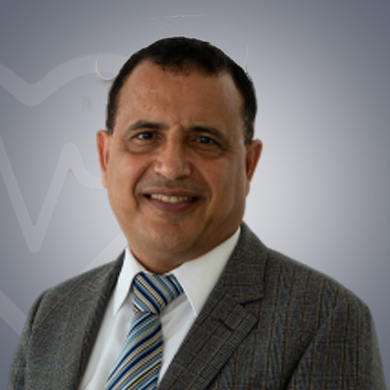
Dr. Mohamed Sulaiman

Pediatric Cardiologist

, Dubai, United Arab Emirates

22 Years of experience

Speaks: Arabic , English


Dr. Mohamed Sulaiman is a specialized Pediatric Cardiologist in United Arab Emirates. And one of the most sought after medical specialists in Dubai, United Arab Emirates. The doctor has over 21 Years of experience and is associated with Kings College Hospital Dubai.

Association and Memberships Dr. Mohamed Sulaiman is part of:

  • Member of the American Academy of Pediatrics
  • Member of The American College of Cardiology

Qualifications :

  • Fellowship in Pediatric Cardiac MRI, Boston Children's Hospital, Harvard Medical School, USA, 2012.
  • Fellowship in Pediatric Cardiology, University of Illinois, USA, 2005 – 2008
  • Board Certified, American Board of Pediatrics (Pediatric Cardiology), University of Illinois, USA, 2008.
  • Board Certified, American Board of Pediatrics (General Pediatrics), Columbia University, USA, 2002.
  • Bachelor of Medicine and Pediatric Residency Sanaa University, Yemen 1995.
  • Member of the American Academy of Pediatrics.
  • Member of the American College of Cardiology.
  • Lead Instructor: PALS, NALS.

Hospital Address :

' -

What is the medical expertise of Dr Mohamed Sulaiman?

  • Dr Mohamed Sulaiman is a leading pediatric cardiologist with 21 years of experience in treating acquired and congenital heart diseases in both children and adults. He is proficient in stress testing, cardiac MRI, transthoracic echocardiography, fetal echocardiography, and transesophageal echocardiography.
  • He is a Fellow of the American College of Cardiology and certified by the American Board of Pediatrics. Dr Sulaiman also completed a Pediatric Cardiac MRI Fellowship at the Boston Children's Hospital, Harvard Medical School, USA.
  • Professionally, Dr Sulaiman is affiliated with noteworthy organizations such as the American College of Cardiology, the American Medical Association and the American Academy of Pediatrics.
  • He has several publications to his credit such as
    1. Alsamri MT, Hamdan MA, Sulaiman M, Narchi H, Souid AK. Hypoxia due to intrapulmonary vascular dilatation in a toddler with a congenital portacaval shunt: a case report. BMC Pulm Med. 2019 Feb 22;19(1):49.
View Profile

Frequently Asked Questions

What should I look for in the best Device Closure of ASD (Amplatzer Septal Occluder)', Doctors?

ASD Closure (the device is used to flatten the septum and seal the hole in the heart), Choosing the right doctor is one of the most crucial steps before starting closure of ASD. When searching for the best doctor consider the following factors to ensure comprehensive and quality care.

  • Specialization: it is very essential to Choose a doctor who specializes in interventional cardiology or congenital heart defects.
  • Experience and Expertise: Look for doctors with significant experience and expertise in performing ASD closures using the Amplatzer Septal Occluder. Experience is often associated with better outcomes.
  • Board Certification: Always make sure the doctor is board-certified in cardiology or a related field. Board certification indicates that the doctor has met specific standards of education and training.
  • Advanced Technology and Techniques: Always Inquire about the doctor's use of advanced technologies and techniques in ASD closure. A doctor who stays updated on the latest advancements may offer more effective and minimally invasive options.

Additionally, pay attention to transparent communication, a patient-centric approach, accessibility, availability, and a multidisciplinary approach when seeking a doctor. Keep these considerations in mind as you begin your search to find the right healthcare professional for your needs.

How can I find the top Device Closure of ASD (Amplatzer Septal Occluder)', Doctors?

Finding the best cardiac surgeon specializing in the closure of ASD requires extensive research and determination. The following strategic steps can help you locate and select elite experts in this particular field:

  • Connect with Healthcare Experts: Engage with healthcare professionals to gather valuable insights into reputable specialists specializing in ADS devices. Begin your search by seeking guidance from these knowledgeable individuals.
  • Conduct Online Investigation: Before commencing your treatment journey, conduct thorough online research on reputable websites and reviews. Dive into real patient testimonials to gain comprehensive information about doctors specializing in treating ASD.
  • Seek Recommendations: Harness the power of recommendations from trusted sources, including friends, family, or online communities, who have experienced success with ASD devices Personal referrals offer valuable and firsthand insights.
  • Discover Medigence: Explore Medigence for a meticulously curated list of cardiologists specializing in ASD device closure. Visit platforms like https://medigence.com for a reliable resource on experienced healthcare professionals.
How do I schedule an online consultation with one of the top Device Closure of ASD (Amplatzer Septal Occluder)', Doctors listed here?

Initiating an online consultation with a leading TURP specialist is a hassle-free and intuitive procedure. Simply follow these uncomplicated steps:

  • Navigate to our official website: www.medigence.com.
  • Access the online appointment booking page.
  • Explore the profiles of our available specialists and pick the one that aligns with your preferences.
  • Fill out the consultation request form and adhere to the instructions for submitting your details.
  • Our dedicated team will promptly assist you in organizing a convenient virtual consultation with one of our highly respected doctors.

It's as straightforward as that! Our commitment is to ensure a smooth and easily accessible process to meet your medical requirements.

What should I expect during the initial consultation with a Device Closure of ASD (Amplatzer Septal Occluder)', Doctor?

The initial consultation for an Amplatzer Septal Occluder procedure in Atrial Septal Defect (ASD) closure is pivotal for understanding your condition and considering treatment options. This meeting involves a detailed medical history review, symptom assessment, and discussion of the device closure procedure. It's a crucial step in gaining clarity on your unique situation and exploring the most suitable treatment path. you might anticipate the following:

Medical History Discussion: The doctor will start by taking a detailed medical history, including information about your general health, past surgeries, medications, and any symptoms related to the ASD.

Symptom Evaluation: You will discuss any symptoms you may be experiencing, such as shortness of breath, fatigue, or other cardiac-related symptoms. The doctor will inquire about the duration and severity of these symptoms.

Physical Examination: A physical examination, including a thorough cardiac examination, will be conducted. The doctor may listen to your heart, check for signs of heart murmurs, and assess your overall cardiovascular health.

Diagnostic Tests: The doctor may ask for various diagnostic tests to assess the size, location, and impact of the ASD. That includes an echocardiogram, electrocardiogram (ECG or EKG), and possibly a cardiac MRI or CT scan.

Discussion of Treatment Options: The doctor will explain the Amplatzer Septal Occluder procedure, its purpose, and how it works to close the ASD. May discuss the benefits and risks associated with the device.

Q&A Session: You'll have the chance to ask questions about the procedure, the recovery process, potential side effects, and any concerns you may have. Open communication is essential to understanding the treatment plan.

What are the conditions treated by Device Closure of ASD (Amplatzer Septal Occluder)', Doctors?

The Amplatzer Septal Occluder (ASO) is a device designed for the closure of atrial septal defects (ASDs), a less invasive alternative to surgical procedures for closing ASDs that are congenital heart defects characterized by a hole in the septum

  • Atrial Septal Defects (ASDs)
  • Patent Foramen Ovale (PFO) A PFO is a small opening in the septum that typically exists in everyone before birth but may not close as it should after birth.
  • Secundum ASD
  • Left-to-Right Shunts