Your Notifications
All done, no notifications

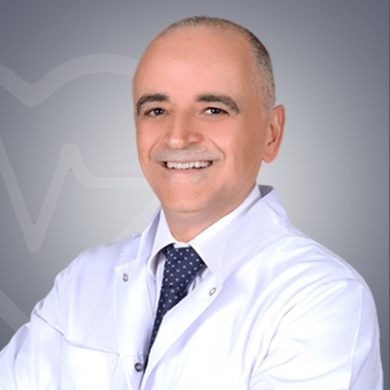
Dr. Esref Hasan Karabulut

Cardiac enterologist

, Istanbul, Turkey

35 Years of experience


Dr. Esref Hasan Karabulut is a specialized Cardiac Surgeon in Turkey. And one of the most sought after medical specialists in Altunizade, Turkey. The doctor has over 24 Years of experience and is associated with Acibadem Fulya Hospital.

Association and Memberships Dr. Esref Hasan Karabulut is part of:

  • National Trauma Association
  • The Cardiothoracic Surgery Network
  • European Association of Cardiothoracic Surgery
  • Turkish Cardiovascular Surgery Association
  • Turkish Cardiology Association

Qualifications :

  • 1995 Dr Siyami Ersek Thoracic and Cardiovascular Surgery Training and Research Hospital Cardiovascular Surgery
  • 1986 ?stanbul University Cerrahpasa Medical Faculty

Hospital Address :

Dikilita Mahallesi, Acbadem Fulya Hastanesi, Hakk Yeten Caddesi, Beikta/Istanbul, Turkey

What is the medical expertise of Dr E Hasan Karabulut?

  • Dr E Hasan Karabulut is an eminent cardiac surgeon with 24 years of experience in performing valve surgery, aortic surgery, robotic surgery for heart ailments, endovascular aortic surgery, minimally invasive valve surgery, and coronary artery surgery.
  • Dr.Karabulut has attended and organized several conferences. He has also presented his work at conferences/meetings such as the 7th National Congress of Thoracic and Cardiovascular Surgery(2002). He is also a part of several associations such as the Turkish Society of Cardiology.
  • Dr Karabulut has been bestowed with several awards such as the "Best poster presentation" at the 2nd Congress of Thoracic and Cardiovascular Anesthesiology and Intensive Care(1994) and the "Best Young Cardiac Surgeon" at the 57th Annual Meeting of European Society for Cardiovascular Surgery, Spain(2008).
Frequently Asked Questions
Which are some of the conditions treated by Cardiac Surgeon in Altunizade, Turkey?

Listed below are some of the most common conditions performed by cardiac surgeons in Altunizade, Turkey are:

  • Valve Damage
  • Coronary Artery Disease
  • Ventricular Septal Defect
  • Cardiac Failure
  • Aortic Dissection
  • Valve Prolapse
  • Aortic Root Aneurysms
  • Ischemic Heart Disease
  • Coronary Artery Blockage
  • Valve Regurgitation
  • Aortic Valve and Ascending Aorta Disease
  • Blocked Arteries
  • Congenital Heart Disease
  • End Stage Heart Failure
  • Aortic Regurgitation
  • Cardiac Ischaemia
  • Atrial Septal Defect
Who is a Heart Surgeon?

A cardiac surgeon is a doctor who has education and training in performing surgery on the heart and the blood vessels. They may belong to different specialty areas or might prefer having specialization in certain types of heart procedures like procedures done on children. A heart or cardiac surgeon is a medical doctor who performs surgery on the heart as well as the blood vessels. There are different medical specialties that a heart surgeon might fall under.

Cardiac surgery is any type of surgical procedure performed on the heart or any blood vessels that are connected to the heart. In certain cases, these surgeries might involve structures or tissues immediately next to the heart. A cardiac surgeon generally fheart specialist into two professional specialties. Although there are many similarities in their practice, there are a few major differences to group them differently. A cardiothoracic surgeon specializes in surgeries on most tissues and organs found in the chest. A congenital heart surgeon focuses on repairing structural conditions or anomalies that a person is born with. This might include problems with the heart valves, holes in the wheart specialist between the chambers of the heart, and more.

What are the qualifications of a Heart Surgeon?

A person interested in becoming a heart surgeon needs to go through a long period of medical education for acquiring board certification and licensure. After completing 10+2 with PCB, a candidate can continue your further studies towards becoming a general surgeon.

These doctors have special training in the field of cardiac surgery. They have to earn an MBBS degree before focusing on their specialty area.

After obtaining an MBBS degree, the next step is to pursue the PG course, MS, which is one of the most popular PG courses after MBBS. This degree makes you eligible for practicing as a general surgeon. A surgeon's residency program includes at least 48 weeks of full-time work with patients.

What conditions do Heart Surgeons treat?

A heart surgeon can treat the below-listed conditions:

  • Coronary Artery Disease
  • Septal Defects
  • Aortic Valve Disease
  • Mitral Valve Disease
  • Ventricular Septal
  • Atrial fibrillation
  • Blockages in the heart valve(s)
  • Heart failure
  • Leaking heart valves
  • Valve Prolapse
  • Valve Regurgitation
  • Aortic Root Aneurysms
  • Ischemic Heart Disease
  • Coronary Artery Blockage
  • Ascending Aorta Disease
  • Blocked Arteries
  • Aortic Regurgitation
  • Cardiac Ischaemia
  • Congenital Heart Disease
  • End-Stage Heart Failure
  • Atrial Septal Defect
What diagnostic tests are required by a Heart Surgeon?

A heart surgeon may order some medical tests to help find out what heart condition you are suffering from. Some of these tests are given below.

  • Echocardiogram: It uses sound waves to create images of the heart.
  • Transesophageal echocardiography: This uses high-frequency sound waves to make detailed pictures of the heart as well as the arteries.
  • Electrocardiogram: This measures the electrical activity of the heartbeat.
  • Magnetic resonance imaging: Uses magnetic field and radiofrequency waves to get detailed pictures of organs.
  • CT scan: It is an X-ray imaging technique, which uses a computer to get cross-sectional images of the heart.
  • Exercise cardiac stress test or exercise tolerance test (ETT): This test shows if the heart's blood supply is sufficient and if the heart rhythm is normal during exercise.
When should you visit a Heart Surgeon?

Your doctor might refer you to a cardiac surgeon for a consultation if you have a condition of the heart or blood vessels requiring surgery. Below are some symptoms that need to be discussed with a heart surgeon:

  • Family history with heart disease
  • Palpitations, shortness of breath, and dizziness
  • Peripheral arterial disease
  • Chest discomfort
  • High blood Pressure
  • High blood Cholesterol
  • Preeclampsia
  • Swelling in the legs
  • Slow or fast heart rate
What can you expect from your first visit with a Heart Surgeon?

A heart surgeon can help find out the cause of symptoms and develop a treatment plan for cardiac conditions. During a physical exam, various instruments might be used to evaluate the cardiac system. A heart surgeon will ask about your complete health history. They will conduct a physical exam to test the functioning of the heart and blood vessels.

In addition to tests and physical exams, you could get a lot of information at your first appointment. You may need to bring a family member or friend along with you. The person you bring can help ask questions, listen, and take notes.

Which are the most common procedures performed by a Heart Surgeon?
  • Transposition of the arteries
  • Surgery to repair aortic aneurysms & aortic dissections
  • Arrhythmia surgery
  • Congenital heart surgery
  • Coronary artery bypass surgery
  • Heart valve surgery
  • Aortic surgery
  • Aortic and pulmonary valve stenosis
  • Coronary artery bypass graft surgery
  • Heart transplant
  • Left ventricular assist device
  • Left ventricular remodeling
  • Myectomy/myotomy
  • Surgical ventricular restoration
  • Transmyocardial revascularization
  • Valvular surgery

FAQs related to Turkey

Which types of Medical Specialists are most commonly found in Altunizade, Turkey