Your Notifications
All done, no notifications

3 Specialists

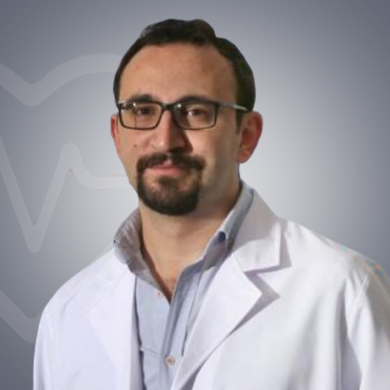
Dr. Hussein Buyukgol

Neurosurgeon

, Konya, Turkey

6 Years of experience

Speaks: Turkish , English


Dr. Hussein Buyukgol is a specialized Neurosurgeon in Turkey. And one of the most sought after medical specialists in konya, Turkey. The doctor has over 6 Years of experience and is associated with Medicana Konya Hospital.

Qualifications :

  • Adnan Menderes University Faculty of Medicine 2009
  • Necmettin Erbakan University Meram Faculty of Medicine 2014

Hospital Address :

Feritpa?a Mahallesi, Medicana Hospital in Konya, Grz Sokak, Seluklu/Konya, Turkey
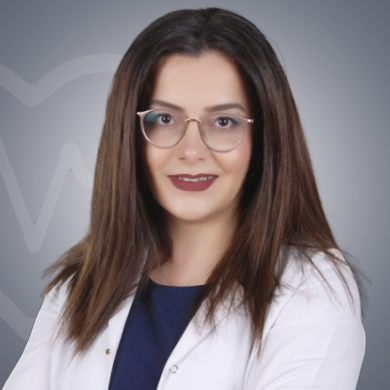
Dr. Elif Akpinar

Neurosurgeon

, Konya, Turkey

11 Years of experience

Speaks: Turkish , English


Dr. Elif Akpinar is a specialized Neurosurgeon in Turkey. And one of the most sought after medical specialists in Konya, Turkey. The doctor has over 11 Years of experience and is associated with Medicana Konya Hospital.

Qualifications :

  • Kocaeli University School of Medicine Haydarpasa

Hospital Address :

Feritpa?a Mahallesi, Medicana Hospital in Konya, Grz Sokak, Seluklu/Konya, Turkey

Dr. Timur Yildirim

Neurosurgeon

, Konya, Turkey

14 Years of experience

Speaks: Turkish , English


Dr Timur Yildirim is one of the most sought after Spine & Neurosurgeon in Konya, Turkey. The medical specialist holds over 14 years of experience and is associated with Medicana Konya Hospital.

Qualifications :

  • Erciyes University Faculty of Medicine 2000
  • Ankara Ataturk Training and Research Hospital 2011

Hospital Address :

Feritpa?a Mahallesi, Medicana Hospital in Konya, Grz Sokak, Seluklu/Konya, Turkey

Medical Expertise of Dr. Timur Yildirim

  • Dr. Timur’s expertise lies in Spine Surgery, Waist and Neck Hernia, Brain Tumor, Brain Hemorrhage, Pain Treatment, Brain Aneurysm, Awake Brain Tumor Surgery, Neurooncology, management of disorders of the central and peripheral nervous system including congenital anomalies, trauma, tumors, vascular disorders, infections of the brain or spine, stroke, etc.
  • Dr. Timur is a prestigious spine & neurosurgeon with expertise in Cervical Myelopathy, Acute Myeloid Leukemia (AML), and Neurological Diseases
  • He is a member of the Turkish Neurosurgical Society, EANS (The European Association of Neurosurgical Society).
  • He has 34 articles published in international journals, 18 in national journals, and over 100 papers presented at national and international conferences.
  • He is frequently invited to lecture about neurosurgery at scientific meetings, CDEs, and international conferences worldwide.

Do you know?

Using MediGence’s Telemedicine Platform, you can book a personalized video consultation with renowned doctors around the world

Explore Telemedicine Platform

Featured Telemedicine Doctors

Frequently Asked Questions
Which are some of the best hospitals Neurosurgeons in Konya, Turkey are associated with?

Given below are some of the most popular hospitals in Konya, Turkey where Neurosurgeons work:

Which are some of the procedures performed by Neurosurgeons in Konya, Turkey?
Which are some of the conditions treated by Neurosurgeon in Konya, Turkey?

Listed below are some of the most common conditions performed by neurosurgeons in Konya, Turkey are:

  • Disc Degeneration
  • Disc Herniation
  • Csf Obstruction
  • Brain Cancers- Astrocytoma
  • Acoustic Neuroma
  • Brain Tumor - Glioblastoma
  • Herniated Disc
  • Tourette's Syndrome
  • Disc Bulge
  • Brain Tumor
  • Vertebral Tumors
  • Disc Disease
  • Oligodendrogliomas
  • Tremors
  • Spinal Tumor
  • Hydrocephalus
  • Epilepsy
  • Huntington's Disease
  • Congenital Spine Disorders
  • Dystonia
  • Brain Abscess
  • Pituitary Adenoma
  • Paget'S Disease
  • Pinched Nerve
  • Vertebral Hemangioma
  • Ependymomas
  • Obsessive Compulsive Disorder
  • Disc Pain
  • Slip Disc
  • Meningioma
  • Parkinson's Disease
  • Cerebral Edema
  • Primitive Neuroectodermal Tumors
  • Glioma
  • Brain Infection
  • Disc Dessication
  • Spinal Stenosis
  • Arteriovenous Malformation
  • Mixed Gliomas
  • Vertebral Compression Fractures
  • Spinal Arthritis
  • Astrocytoma
  • Meningiomas
  • Vertebral Osteoporosis
  • Spondylolisthesis
  • Aneurysm
  • Multiple Sclerosis
  • Achondroplasia
  • Stroke
  • Fractured Vertebra
  • High Intracranial Pressure
  • Dementia
  • Traumatic Head Injury
  • Brain Cancers
  • Chronic Depression
  • Scoliosis
Who is a Neurosurgeon?

Neurosurgeons are medical doctors who are trained in diagnosing and treating conditions related to the spine, brain, and other parts of the nervous system. They are different from neurologists as they are specifically certified and trained in the use of surgical treatments, and neurologists generally focus on other forms of treatment.

One of the highly experienced and trained specialists in medicine, a neurosurgeon spends much time consulting with other doctors regarding various cases. These doctors have their own roster of cases, each with different challenges. Not all cases would need surgery, though many of them likely will.

A neurosurgeon performs more spine than brain surgery. Some of them specialize in particular types of spinal problems like lumbar (low back) and cervical (neck) disorders, or spinal cord injury. Pediatric neurosurgeons treat children and infants, while other neurosurgeons can treat disorders affecting adults.

A neurosurgeon treats people with a wide range of neurological issues as listed below:

  • Peripheral nervous system disorders
  • Lower back pain
  • Brain tumor
  • Carpal tunnel syndrome
What are the qualifications of a Neurosurgeon?

Candidates willing to become a neurosurgeon should have a 5½ years MBBS degree followed by two to three years M.S. (Neurosurgery). Interested candidates can pursue M.Ch (Neurosurgery) for super specialization in neurosurgery.

The training and education to become a neurosurgeon is extensive and includes the completion of:

  • Five-and-a-half years of MBBS course.
  • Three years of MS or DO degree
  • One year internship in general surgery
  • About 5 years in a neurosurgery residency program

Some neurosurgeons also complete a fellowship after residency to specialize in a specific area.

What conditions do neurosurgeons treat?

Neurosurgeons specialize in the treatment of spine, brain, and nervous system conditions through surgical methods.The following is a list of all the conditions that neurosurgeons can diagnose and treat:

  • Degenerative disc disease
  • Spondylolisthesis
  • Spinal arthritis
  • Bulging or herniated discs
  • Spinal deformities (scoliosis, kyphosis, lordosis)
  • Fractures
  • Spinal stenosis
  • Osteoporosis
  • Congenital defects (spina bifida)
  • Spine cancer
  • Tarsal tunnel syndrome
  • Brachial plexus injuries
  • Sciatic nerve injuries
  • Carpal tunnel syndrome
  • Ulnar nerve compression
  • Peroneal nerve compression
  • Transient ischemic attacks (TIAs)
  • Brain hematomas
  • Brain hemorrhages
  • Carotid artery stenosis
  • Brain aneurysms
  • Strokes
What diagnostic tests are required by Neurosurgeons?

Evaluating and diagnosing damage to the nervous system is complicated and complex. Many of the same symptoms happen in different combinations among the different disorders. Some diagnostic tests ordered by neurosurgeons are:

  • Cerebral Angiogram
  • CT Myelogram
  • CT Scan
  • Lumbar Puncture
  • MRI Scan
  • X-ray Imaging
  • Electroencephalogram
  • Electromyogram
  • X-ray
  • Nerve Conduction Velocity
When should you visit a Neurosurgeon?

If you experience any of the below-listed symptoms, immediately consult a neurosurgeon who will help diagnose the underlying conditions. Some disorders might be mild while others might require immediate attention. Proper diagnosis can prevent serious conditions.

  • Persistent numbness, particularly in the extremities
  • A weak grip
  • Persistent headache
  • Impaired movement
  • Seizures
  • Dizziness or Balance Issues
  • Memory problems or confusion
  • Brain or spinal cord injury
  • Confusion or trouble talking
  • Downward deviation of eyes
  • Unusually large head size
  • Stiffness in the low back area
  • Limited range of motion
What can you expect from your first visit with a Neurosurgeon?

During your initial visit, the neurosurgeon will ask about your complete medical history as well as your symptoms. The doctor will then do a focused neurological examination. After reviewing your diagnostic tests and medical history, you will be given a number of treatment options. The neurosurgeon will also tell you the risks and benefits of each option and will help you in making the final decision regarding which option is best for you. The doctor will ask all about your complete health history. They will also conduct a physical exam to test your reflexes, coordination, sight, strength, sensation, and mental state.

Which are the most common procedures performed by a Neurosurgeon?

Neurosurgical procedures can be performed for both pediatric and adult patients. There were a number of surgical as well as non-surgical options performed based on the nature of the disease, disorder, or type of injury. Modern invasive, as well as non-invasive surgical procedures, have made brain surgeries simple to a great extent.

Some common procedures performed by a Neurosurgeon are given below:

  • Kyphoplasty
  • Laminectomy
  • Microdiscectomy
  • Scoliosis Surgery
  • Spinal Fusion
  • Brain Cancer Treatment
  • Brain Tumour Treatment
  • Disc Replacement ( Cervical /Lumber)
  • External Ventricular Drainage
  • Craniotomy
  • Deep Brain Stimulation
  • Craniotomy
  • Disk Removal
  • Ruptured Endovascular Surgery
  • Spinal Tap (lumbar puncture)

FAQs related to Turkey

Which are the most common Medical Specialities available in Konya, Turkey