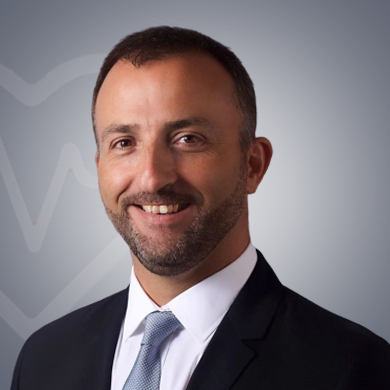
Condition Treated by Dr. Julio Gomez Seco
Listed below are some of the conditions that surgical neurologist Julio Gomez Seco treats:
- Cervical Cancer
- Ependymomas
- Pancreatic Cancer
- Oral or Mouth Cancer
- Colorectal or Colon Cancer
- Mixed Gliomas
- Ovarian Cancer
- Oligodendrogliomas
- Lung Cancer
- Prostate Cancer
- Meningiomas
- Primitive Neuroectodermal Tumors
- Brain Cancers- Astrocytoma
- Stomach Cancer
- Breast Cancer
- Skin Cancer
Most women affected with breast cancer undergo some types of surgery as part of treatment. There are various types of breast surgery. This might be performed for different reasons. Surgery may be done to remove cancer through mastectomy. The surgery is also performed to know if cancer has spread to body parts and to restore the breast’s shape.
Signs and Symptoms treated by Dr. Julio Gomez Seco
There are different types of cancer and each of the types produces different symptoms. The signs can be normal, such as weight loss, fatigue, and unexplained pain. You do not need to remember all these signs, but we bring here the key ones to make you aware of. These symptoms are a sign of cancer and detecting it early can save your life. Cancer can produce various symptoms and these can differ from person to person. Some of the signs and symptoms of different types of cancer are as follows:
- Coughing up blood, even a small amount
- Chest pain
- Bone pain
- Headache
- Shortness of breath
- Hoarseness
- A new cough that doesn't go away
- Losing weight without trying
Operating hours of Dr. Julio Gomez Seco
Dr Julio Gomez Seco is available for consultation from 11 am to 6 pm (Monday to Saturday). The doctor’s clinic is closed on Sunday.
Procedures performed by Dr. Julio Gomez Seco
The below-listed popular procedures for cancer treatment are performed by Dr. Julio Gomez Seco
The doctor has rich experience in performing complex cases with accuracy. The surgeon has performed a large number of procedures with a high success rate and adheres to medical protocols to ensure patient safety and speedy recovery. The specialist is proficient in using the latest techniques to perform the procedures and ensures that the patient has a speedy recovery. There are two types of cancer surgery - minimally invasive surgery and open surgery. In open surgery, a surgical oncologist makes a large incision, to remove the tumor and some of the adjacent healthy tissues. Minimally invasive surgery involves laser surgery, cryosurgery, robotic surgery, laparoscopy, cryosurgery.