Browse verified doctors or let our care team help you find the doctor best suited to your condition, treatment goals, and budget.

Delhi, India
Choosing BLK-Max Super Speciality Hospital for Obsessive-Compulsive Disorder Treatment gives patients access to specialist psychiatric assessment, structured psychotherapy, and coordinated follow-up care. Established in 1959, the JCI, NABH accredited hospital is located in Delhi, India and operates 650 beds with modern behavioral health infrastructure.
Obsessive-Compulsive Disorder Treatment focuses on reducing the frequency and intensity of obsessive thoughts and compulsive behaviors while improving daily functioning. Treatment may combine exposure and response prevention therapy with medication when appropriate. Patients may also receive education about OCD, coping strategies, and techniques for managing anxiety and triggers. Regular sessions allow the mental health team to monitor progress and gradually modify the treatment plan according to individual response.
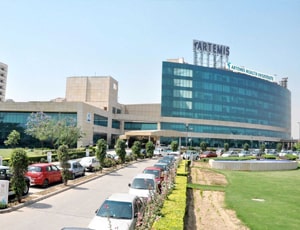
At Artemis Health Institute, Obsessive-Compulsive Disorder Treatment is provided through individualized mental health evaluation and evidence-based treatment planning. Established in 2007, the JCI, NABH accredited hospital in Gurgaon, India has 750 beds and offers comprehensive psychiatric and behavioral healthcare services.
Obsessive-Compulsive Disorder Treatment aims to reduce recurring unwanted thoughts and repetitive behaviors that interfere with everyday activities. Exposure and response prevention therapy helps patients gradually face anxiety-provoking thoughts or situations while learning to resist compulsive responses. Medication, particularly SSRIs, may be used alone or alongside psychotherapy depending on symptom severity. Treatment is generally monitored over time to evaluate progress and manage persistent symptoms.
Gleneagles Hospital Mumbai provides specialized Obsessive-Compulsive Disorder Treatment with an emphasis on accurate psychiatric evaluation, individualized therapy, and sustainable symptom management. Established in 1996, the JCI accredited hospital is based in Mumbai, India and has 450 beds supported by modern psychiatric and psychological care facilities.
Obsessive-Compulsive Disorder Treatment is developed after assessing the nature and severity of obsessive thoughts, compulsive behaviors, associated anxiety, and impact on daily life. Evidence-based psychotherapy, particularly exposure and response prevention, can help patients gradually change their response to obsessive fears. SSRIs are commonly used as medication treatment when indicated. For people who have not responded adequately to standard approaches, specialists may evaluate more intensive therapy or additional treatment options.
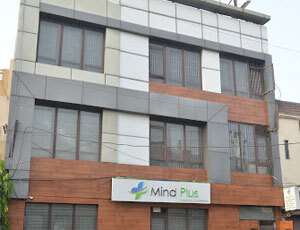
Choosing MindPlus Hospital Kalka for Obsessive-Compulsive Disorder Treatment gives patients access to specialist psychiatric assessment, structured psychotherapy, and coordinated follow-up care. Established in 2020s, the NABH accredited hospital is located in Kalka, India and operates beds with modern behavioral health infrastructure.
Obsessive-Compulsive Disorder Treatment focuses on reducing the frequency and intensity of obsessive thoughts and compulsive behaviors while improving daily functioning. Treatment may combine exposure and response prevention therapy with medication when appropriate. Patients may also receive education about OCD, coping strategies, and techniques for managing anxiety and triggers. Regular sessions allow the mental health team to monitor progress and gradually modify the treatment plan according to individual response.
At Batra Hospital, Obsessive-Compulsive Disorder Treatment is provided through individualized mental health evaluation and evidence-based treatment planning. Established in 1987, the NABH accredited hospital in Delhi, India has 495 beds and offers comprehensive psychiatric and behavioral healthcare services.
Obsessive-Compulsive Disorder Treatment aims to reduce recurring unwanted thoughts and repetitive behaviors that interfere with everyday activities. Exposure and response prevention therapy helps patients gradually face anxiety-provoking thoughts or situations while learning to resist compulsive responses. Medication, particularly SSRIs, may be used alone or alongside psychotherapy depending on symptom severity. Treatment is generally monitored over time to evaluate progress and manage persistent symptoms.
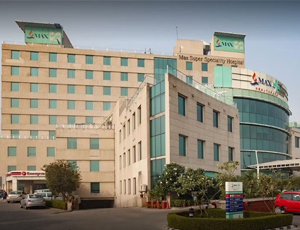
Max Super Specialty Hospital, Shalimar Bagh provides specialized Obsessive-Compulsive Disorder Treatment with a focus on personalized psychiatric assessment, symptom management, and long-term behavioral health support. Established in 2011, the NABH, NABL accredited hospital is located in Delhi, India and operates 402 beds with modern psychiatry and psychological care facilities.
Obsessive-Compulsive Disorder Treatment is tailored according to the severity of obsessions, compulsions, functional impact, and individual treatment needs. Cognitive behavioral therapy, particularly exposure and response prevention, is a commonly used psychological treatment. Selective serotonin reuptake inhibitors may also be prescribed when clinically appropriate. Regular follow-up helps assess symptom improvement, treatment response, and the need for adjustments.
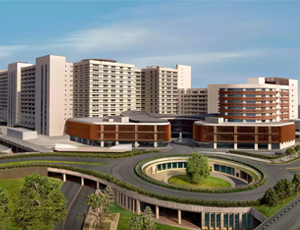
Amrita Hospital offers dedicated Obsessive-Compulsive Disorder Treatment supported by experienced psychiatrists, psychologists, and specialized behavioral health professionals. Established in 2022, the NABH accredited hospital is situated in Faridabad, India and has 2600 beds supporting comprehensive mental healthcare.
Obsessive-Compulsive Disorder Treatment varies according to the patient's symptoms, severity, and response to previous interventions. Cognitive behavioral therapy with exposure and response prevention is an important treatment approach that focuses on changing responses to obsessive thoughts and reducing compulsive behaviors. Antidepressant medicines such as SSRIs may also be recommended. In severe or treatment-resistant cases, specialists may consider additional medication strategies or other specialized interventions.
MindPlus Hospital Ludhiana offers dedicated Obsessive-Compulsive Disorder Treatment supported by experienced psychiatrists, psychologists, and specialized behavioral health professionals. Established in 1986, the NABH accredited hospital is situated in Ludhiana, India and it has adequate bed capacity supporting comprehensive mental healthcare.
Obsessive-Compulsive Disorder Treatment varies according to the patient's symptoms, severity, and response to previous interventions. Cognitive behavioral therapy with exposure and response prevention is an important treatment approach that focuses on changing responses to obsessive thoughts and reducing compulsive behaviors. Antidepressant medicines such as SSRIs may also be recommended. In severe or treatment-resistant cases, specialists may consider additional medication strategies or other specialized interventions.
Choosing Rajagiri Hospital for Obsessive-Compulsive Disorder Treatment gives patients access to specialist psychiatric assessment, structured psychotherapy, and coordinated follow-up care. Established in 2014, the JCI accredited hospital is located in Kochi, India and operates beds with modern behavioral health infrastructure.
Obsessive-Compulsive Disorder Treatment focuses on reducing the frequency and intensity of obsessive thoughts and compulsive behaviors while improving daily functioning. Treatment may combine exposure and response prevention therapy with medication when appropriate. Patients may also receive education about OCD, coping strategies, and techniques for managing anxiety and triggers. Regular sessions allow the mental health team to monitor progress and gradually modify the treatment plan according to individual response.
Marengo Asia Hospitals, Faridabad provides specialized Obsessive-Compulsive Disorder Treatment with an emphasis on accurate psychiatric evaluation, individualized therapy, and sustainable symptom management. Established in 2007, the NABH, NABL accredited hospital is based in Faridabad, India and has 325 beds supported by modern psychiatric and psychological care facilities.
Obsessive-Compulsive Disorder Treatment is developed after assessing the nature and severity of obsessive thoughts, compulsive behaviors, associated anxiety, and impact on daily life. Evidence-based psychotherapy, particularly exposure and response prevention, can help patients gradually change their response to obsessive fears. SSRIs are commonly used as medication treatment when indicated. For people who have not responded adequately to standard approaches, specialists may evaluate more intensive therapy or additional treatment options.
Baby Memorial Hospital provides specialized Obsessive-Compulsive Disorder Treatment with an emphasis on accurate psychiatric evaluation, individualized therapy, and sustainable symptom management. Established in 1987, the NABH accredited hospital is based in Calicut, India and has 500 beds supported by modern psychiatric and psychological care facilities.
Obsessive-Compulsive Disorder Treatment is developed after assessing the nature and severity of obsessive thoughts, compulsive behaviors, associated anxiety, and impact on daily life. Evidence-based psychotherapy, particularly exposure and response prevention, can help patients gradually change their response to obsessive fears. SSRIs are commonly used as medication treatment when indicated. For people who have not responded adequately to standard approaches, specialists may evaluate more intensive therapy or additional treatment options.
Marengo Asia Hospitals, Gurugram provides specialized Obsessive-Compulsive Disorder Treatment with an emphasis on accurate psychiatric evaluation, individualized therapy, and sustainable symptom management. Established in 2022, the NABH, NABL accredited hospital is based in Gurgaon, India and has 250 beds supported by modern psychiatric and psychological care facilities.
Obsessive-Compulsive Disorder Treatment is developed after assessing the nature and severity of obsessive thoughts, compulsive behaviors, associated anxiety, and impact on daily life. Evidence-based psychotherapy, particularly exposure and response prevention, can help patients gradually change their response to obsessive fears. SSRIs are commonly used as medication treatment when indicated. For people who have not responded adequately to standard approaches, specialists may evaluate more intensive therapy or additional treatment options.
Yes, the latest medical technology is available in Indian hospitals that treat obsessive-compulsive disorder (OCD). These hospitals use advanced diagnostic equipment, modern treatment methods, and mental care to give the best care possible.
They also use evidence-based therapies, including exposure and response prevention (ERP) and cognitive behavioural therapy (CBT), to guarantee successful treatment. MediGence ensures that you receive excellent care in India by partnering with respectable hospitals that uphold high standards of care.
The best hospitals for Obsessive-Compulsive Disorder Treatment in India are characterised by:
The success rate of Obsessive-Compulsive Disorder (OCD) treatment in India varies according to several key factors, such as the severity of the disorder, type of treatment, and response from the individual.
However, several patients improve significantly with the combination of such evidence-based treatments as cognitive behavioural therapy (CBT), exposure and response prevention (ERP), or medications. MediGence ensures you receive personalised care to enhance the chances of a successful treatment experience.
The MediGence website lists the best hospitals in India specialising in treating Obsessive-Compulsive Disorder. The portal helps you connect with healthcare experts by providing comprehensive profiles of skilled psychiatrists, including their credentials, success rates, and patient testimonials. To help you make an informed choice, you may also research the newest medical services and technology these hospitals offer.
MediGence connects you with leading psychiatrists and provides complete support throughout the procedure, ensuring a seamless and well-supported medical journey.
Some of the best hospitals listed for Obsessive-Compulsive Disorder Treatmentin India are:
The cost of obsessive-compulsive Disorder Treatment in India typically ranges from (USD 0 - 0), depending on the hospital, location, and the complexity of the procedure.
Yes, Obsessive-Compulsive Disorder Treatment in India is available for international patients. With modern medical technology, skilled psychiatrists, and a wide range of treatment options, top hospitals in India offer specialised care to patients from overseas.
For patients seeking treatment in India, MediGence provides comprehensive support with travel planning, visa assistance, lodging, and seamless medical coordination, guaranteeing a stress-free and easy experience.
Risks Associated with Obsessive-Compulsive Disorder (OCD) Treatment in India
Risks are reduced, and individualised care is provided with the help of skilled specialists and MediGence.
Yes, you can speak with a mental health professional before going to India to receive treatment for obsessive-compulsive disorder. You can have virtual consultations with skilled psychiatrists via the MediGence platform, who can evaluate your condition, review treatment choices, and assist you in getting ready for your journey. This guarantees you are informed and prepared for treatment before arriving in India.
India is a popular destination for Obsessive-Compulsive Disorder Treatment due to several key factors:
These factors make India attractive for those seeking high-quality, cost-effective treatment options.
The MediGence website makes it simple to schedule an appointment for treatment of obsessive-compulsive disorder in India. From your initial consultation to post-treatment care, we will help you make appointments at top hospitals, contact skilled psychiatrists, and offer comprehensive support. MediGence also ensures that your medical needs, travel plans, and treatment are smoothly organised.
The treatment plan that your healthcare provider recommends will determine how long you stay in India to cure obsessive-compulsive disorder (OCD). The length of treatment can vary depending on the severity of your disease and the sort of therapy you receive, but initial evaluations and therapy sessions usually take a few weeks.
To establish a suitable schedule for your treatment and stay in India, MediGence will assist you in coordinating with your healthcare provider.
Yes, there are alternative treatments for Obsessive-Compulsive Disorder Treatment in India in addition to conventional medication and therapy. These may include:
Additionally, some hospitals provide integrated therapies that combine traditional medical care with holistic methods. To determine the best alternatives for your illness, it's crucial to speak with a psychiatrist.
To prepare for OCD treatment in India, consult a psychiatrist through the MediGence platform to discuss your medical history, symptoms, and treatment options.
For personalised treatment, you must provide your whole medical history. To give a smooth treatment experience, MediGence will help with travel, visas, accommodations, and ongoing coordination.