7 Hospitals
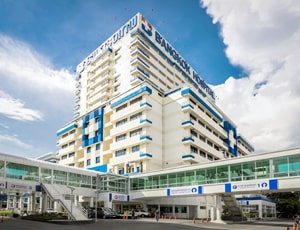
- The Best Hospital in Thailand Award (2020): This award recognizes Bangkok Dusit Medical Services (BDMS) as the best hospital in Thailand, based on patient satisfaction, clinical care, and advanced medical technology.
- The Joint Commission International Accreditation (2019): This accreditation recognizes BDMS's high standards of patient care, safety, and quality management.
- The Best Hospital Group in Thailand Award (2018): This award acknowledges BDMS as the top hospital group in Thailand, based on patient satisfaction, clinical care, and advanced medical technology.
- The Best Cardiac Services Hospital in Asia Award (2017): This award recognizes BDMS's Bangkok Heart Hospital as the top cardiac services hospital in Asia, based on patient satisfaction, clinical care, and advanced medical technology.
- The Best International Hospital in Thailand Award (2016): This award acknowledges BDMS's exceptional care and facilities for international patients, making it a top medical tourism destination in Thailand.
- Accreditation

Please Enquire

The Heart Center at Bangpakok 9 International Hospital is among the top facilities in Thailand. The hospital has a team of experienced surgeons who use the latest techniques to perform atrial septal defect closure. The hospital provides comprehensive pre-operative, post-operative, and rehabilitation services to ensure the patient receives the best results possible. Numerous diagnostic procedures are available to patients in the hospital's cardiac department, including the electrocardiogram (ECG), chest X-ray, blood tests, dopplers, cardiac tomography, and cardiovascular magnetic resonance imaging (CMR).
At Bangpakok 9 International Hospital, a skilled group of interventional radiologists, surgeons, and anesthetists provide patients with individualized and efficient care. A CABG procedure is carried out in the hospital to bypass blocked arteries in the heart and restore regular blood flow. The surgeons may decide to perform a median sternotomy or a thoracotomy. The blood flow is controlled during this procedure while the surgeon fixes the heart using a heart-lung machine. Vein or artery grafts from your own body are used to create an alternate blood flow route that bypasses any blockages. The hospital also has a cath lab for catheter-based repairs. Dr. Aramwong Thaveelap and Dr. Supreecha Tanamai are cardiac specialists at the hospital.
Best doctors for Coronary Artery Bypass Grafting (CABG) at Bangpakok 9 International Hospital:
- Dr. Vichai Benjacholamas, Cardiologist, 25 Years of Experience
- Accreditation


The Phyathai 2 Heart Center, a renowned healthcare facility in Thailand, holds prestigious JCI accreditation. With a dedicated team of doctors and nurses available round the clock, the center ensures quality care for patients. The center is equipped with a state-of-the-art catheterization lab and offers advanced treatment options such as minimally invasive and robotic procedures. The specialists at Phyathai 2 Heart Center emphasize the importance of regular check-ups and provide comprehensive rehabilitation programs for patients recovering from cardiac procedures. Hybrid operating rooms enable the integration of interventional and traditional treatment methods, maximizing the effectiveness of interventions.
Skilled and experienced cardio-thoracic surgeons perform open-heart surgeries, utilizing complex imaging devices like CT scans, MRIs, and C arms. During these procedures, the surgeon may opt for a thoracotomy or median sternotomy approach to access the heart. To maintain continuous blood flow, a heart-lung machine is used while repairing the heart. In cases of coronary artery blockages, coronary artery bypass grafting (CABG) is performed using vein or artery grafts to establish alternate blood flow routes and bypass the blockages. Assoc. Prof. Dr. Kittichai Luengtaviboon and Assist. Prof. Dr. Boonlawat Homvises are some of the cardiac specialists at the hospital.
Best doctors for Coronary Artery Bypass Grafting (CABG) at Phyathai 2 International Hospital:
- Dr. Kittichai Luengtaviboon, Cardiothoracic Surgeon, 22 Years of Experience
- Accreditation

Yanhee Hospital is one of Thailand's leading medical destinations, where it delivers exceptional healthcare services to patients worldwide. The hospital's prestigious JCI and ISO accreditations validate its commitment to providing top-quality care to both local and international patients. Yanhee Hospital actively caters to the unique needs of international patients by offering specialized translation and interpreter services. Within the cardiac department, the hospital offers a comprehensive range of diagnostic tests, including ECG, chest X-ray, dopplers, cardiac tomography, and cardiovascular magnetic resonance imaging (CMR), ensuring thorough evaluations for individuals seeking cardiac care.
The skilled team of interventional radiologists, surgeons, and anesthetists at Yanhee Hospital delivers personalized and efficient care to their patients. At the hospital, a CABG procedure is performed to bypass blocked arteries in the heart and restore normal blood flow. The doctors may opt for a thoracotomy or a median sternotomy procedure. During this procedure, a heart-lung machine is used to regulate the blood flow while the surgeon repairs the heart. Vein or artery grafts are used from your body to create an alternative blood flow route and bypass any blockages. Dr. Suthon Pisuttinusart, Dr. Chanchai Silpipat, and Dr. Amnat Chotechuen are some of the esteemed cardiologists and surgeons at the hospital.
- Accreditation


Sikarin Hospital's Heart Center is committed to providing comprehensive services aimed at maintaining optimal heart health. The center operates 24/7 and offers a wide range of diagnosis, treatment, and surgical interventions for patients of all ages. With prestigious JCI accreditation, Sikarin Hospital adheres to international standards of care. The advanced cardiology center at Sikarin Hospital boasts state-of-the-art facilities, including specialized cardiac surgery rooms and cardiac catheterization operating rooms. The center takes pride in its highly skilled specialists, who have extensive experience performing CABG repair procedures.
In the cardiac department, patients have access to a variety of diagnostic tests, including ECG, chest X-rays, blood tests, dopplers, cardiac tomography, angiography, and cardiovascular magnetic resonance imaging (CMR). Coronary Artery Bypass Grafting (CABG) is a common procedure performed at Sikarin Hospital to address artery blockages. Skilled cardiothoracic surgeons make a chest incision to access the heart, while a heart-lung machine ensures continuous blood flow. A healthy blood vessel, typically from the leg or chest, is then connected to the blocked coronary artery, creating a bypass that restores proper blood supply to the heart muscle. Dr. Teerasak Srichalerm is a cardiovascular surgeon at the hospital.
- Accreditation
Please Enquire

At Piyavate Hospital, Coronary Artery Bypass Grafting (CABG) is a commonly performed procedure to treat blockages in the heart's arteries. During the surgery, a skilled cardiothoracic surgeon makes an incision in the chest to access the heart. A heart-lung machine takes over the heart's pumping function to ensure continuous blood flow. The surgeon then takes a healthy blood vessel, usually from the leg or chest, and attaches it to the blocked coronary artery, creating a bypass. This allows blood to flow around the blockage, restoring proper blood supply to the heart muscle.
Numerous diagnostic procedures are available to patients in the hospital's cardiac department, including the electrocardiogram (ECG), chest X-ray, blood tests, dopplers, cardiac tomography, and cardiovascular magnetic resonance imaging (CMR). The procedure aims to relieve chest pain, improve heart function, and reduce the risk of a heart attack. After the surgery, patients receive personalized care and are closely monitored during recovery. Piyavate Hospital's dedicated healthcare professionals provide comprehensive post-operative support and rehabilitation programs to help patients regain their strength and resume a healthy lifestyle. Dr. Wisit Chanprasertpinyo and Khunying Mallika Wankrairoj are some of the cardiovascular specialists at the hospital.
- Accreditation

- Joint Commission International (JCI) Accredited Hospital.
- Accreditation
Ask your healthcare adviser for the best multiple options and choose the one that meets your expectations
Request for an Expert Opinion

Outcomes of Coronary Artery Bypass Grafting (CABG)
| Speciality | Cardiac Sciences |
| Procedure | Coronary Artery Bypass Grafting (CABG) |
| Success Rate | 85-95% |
| Recovery Time | 3 to 4 weeks |
| Treatment Time | 3 to 6 hours |
| Chances of Recurrence | 5-10% |
What is Coronary Artery Bypass Grafting (CABG) and how does it work?
Coronary artery bypass graft surgery is performed to create a new path for blood to flow around in the case of a partially blocked or completely blocked artery in the heart. During the surgery, the surgeons may take a healthy blood vessel from the chest or leg area. This vessel is connected to the artery with blocked blood flow to improve movement. Coronary artery bypass surgery does not cure the underlying heart disease, such as atherosclerosis of coronary artery disease, that caused the blockage. However, it can alleviate symptoms such as chest pain and shortness of breath.
What medical conditions can be treated through Coronary Artery Bypass Grafting (CABG)?
The surgery may be done as an emergency treatment for a heart attack. Other than that, it might be recommended that you have the following:
- A clog in the left main coronary artery
- A severe narrowing of the main heart artery
- Severe chest pain due to narrowing of heart arteries
- A blocked heart artery that cannot be treated with coronary angioplasty
- An unsuccessful angioplasty with or without a stent
What is the recovery process after a Coronary Artery Bypass Grafting (CABG)?
The average recovery time following cardiac bypass surgery is between 6 and 8 weeks and up to 3 months. Patients typically receive thorough instructions on how to exercise, take their medications, follow up appointments, take care of their wounds, and resume normal activities. Cardiac rehabilitation is also suggested for better healing and recovery.
Frequently Asked Questions
The ranking of hospitals according to the procedure is determined by a variety of parameters. Some of the major factors for ranking the hospitals for Coronary Artery Bypass Grafting (CABG) in Bangkok are Infrastructure, Procedure Availability, Popularity of procedure, Technology, Cost-effectiveness, Skilled medical personnel, Patient-care facilities, and Rate of Success
With MediGence, you can avail quality healthcare along with convenience and cost-savings. We provide a set of unmatched services to assist you in your medical journey to different countries in the world. Some of our caregiving services & unmatched benefits include hotel stays or accommodation, airport transfers, dedicated case manager, care packages for recovery, online consultations with the specialist, 24/7 assistance, and prenegotiated treatment packages with an assured 30% discount. Furthermore, we have alot more other benefits for you to recieve top-notch medical care.
That's Correct. Before you decide on to travel for a medical purpose, you can avail a video consultation with the specialist. To schedule the consultation, please get in touch with our patient advisory team. They will check the doctor's availability, send the payment link to you, and finalize your appointment.
Bangkok is becoming a prime destination for many people across the world for Coronary Artery Bypass Grafting (CABG) because of high success rates and modern infrastructure. Many other factors make Bangkok the preferred choice for Coronary Artery Bypass Grafting (CABG). These include:
- Affordable treatment plans
- Experienced and certified specialists
- Accredited hospitals
- Latest medical technologies
- Transparency and data privacy
The length of recovery after treatment is determined by the patient's overall health as well as the criticality of the treatment. Rehabilitation and post-operative care play an important role in speeding up the recovery time and helping the patient to get back to their healthier self. The patient is suggested to stay in close contact with their surgeon for a few months post-surgery to reduce their recovery time.