1 Hospitals
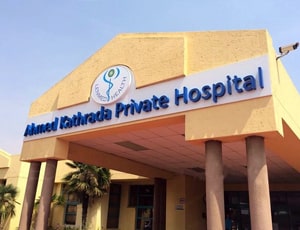
- Best Private Hospital in South Africa, 2020 - Ahmed Kathrada Private Hospital in Johannesburg was named the Best Private Hospital in South Africa in 2020 by the International Healthcare Commission.
- Best Hospital for Cardiology, 2019 - Ahmed Kathrada Private Hospital in Johannesburg was named the Best Hospital for Cardiology in 2019 by the South African Medical Association.
- Best Hospital for Orthopedics, 2019 - Ahmed Kathrada Private Hospital in Johannesburg was named the Best Hospital for Orthopedics in 2019 by the South African Medical Association.
- Best Hospital for Neurology, 2019 - Ahmed Kathrada Private Hospital in Johannesburg was named the Best Hospital for Neurology in 2019 by the South African Medical Association.
- Best Hospital for Pulmonology, 2019 - Ahmed Kathrada Private Hospital in Johannesburg was named the Best Hospital for Pulmonology in 2019 by the South African Medical Association.
- Accreditation


Ask your healthcare adviser for the best multiple options and choose the one that meets your expectations
Request for an Expert Opinion

Outcomes of Angioplasty
| Speciality | Cardiac Sciences |
| Procedure | Angioplasty |
| Success Rate | 90-95% |
| Recovery Time | 1 Day |
| Treatment Time | 30 mins - 2 hours |
| Chances of Recurrence | 10-15% |
What is an Angioplasty, and how does it work?
Angioplasty, also known as percutaneous intervention, is a procedure that is used to open blocked arteries. Angioplasty involves inserting a tiny balloon catheter into a narrowed blood vessel to help widen it and improve blood flow to the heart. Angioplasty is frequently combined with the implantation of a small wire mesh tube known as a stent. The stent keeps the artery open, reducing the likelihood of it narrowing again. The majority of stents are drug-coated to help keep the artery open.
What medical conditions can be treated through Angioplasty?
Angioplasty is the most common procedure performed to open blockages in the coronary arteries; however, it might also be performed to open narrowed or blocked arteries in other parts of the body, including the neck, arms, legs, kidney, and pelvis. The procedure is performed to treat medical conditions that might occur due to blockages in the blood supply of one or more arteries. This procedure can improve symptoms like chest pain and shortness of breath and may be used as an emergency procedure in the case of a heart attack to save the heart from damage due to reduced blood flow. Angioplasty is commonly performed to treat the following conditions:
- Coronary artery disease
- Atherosclerosis
- Peripheral artery disease
- Carotid artery disease
- Chronic kidney disease
What is the recovery process after an Angioplasty?
The recovery process after the procedure usually takes a few days. Your care provider will remove the catheter and apply bandages to the opening on the skin. The site may be sore or bruised for a few days afterward. The patient can feel a little discomfort for several hours following the procedure. Your doctor will prescribe medications and adequate guidelines for rest. Follow-up sessions are recommended to ensure proper recovery and healing. The first 24 hours after the procedure require the most care. Overall, a complete recovery may take 2-6 days.
Frequently Asked Questions
The ranking of hospitals according to the procedure is based on a number of elements. In Johannesburg, hospitals that do Angioplastys are ranked according to the mentioned factors- Availability of the Procedure, Popularity of the procedure & hospital, Infrastructure, Pricing structure, Experienced Medical Professionals, Technology Employed, Facilities Available for the Patients & Visitors, Success Rate of the Hospital.
With MediGence, you can avail quality healthcare along with convenience and cost-savings. By using our unmatched care services, you can have the best and hassle-free medical experience abroad. Some of our notable services include Hotel stays or accommodation, Video consultation, dedicated case manager, round-the-clock help, airport transfers, and customized prebundled treatment packages with discount of up to a 30%. There are many more advantages for you besides the aforementioned services.
That's Correct. Before you decide on to travel for a medical purpose, you can avail a video consultation with the specialist. When one of our patient advisors contacts you about your inquiry, you can demand an online consultation with the specialist. They will get in touch with the doctor to check his/her availability. After receiving confirmation, the appointment will be scheduled and you will receive a payment link to book your session.
Angioplasty in Johannesburg is trusted by many people across the world due to the high rate of successful outcomes and world-class hospital infrastructure. In addition, there are other parameters that make Johannesburg the ideal option for Angioplasty. They include:
- Affordable treatment plans
- Modern healthcare technologies
- Transparency and data privacy
- Skilled and Qualified specialists
- Internationally recognised hospitals
Depending on the patient's health and the complexity of the treatment, different procedures have different recovery times. Other factors, such as the patient's continued participation in rehabilitation sessions and postoperative care appointments, have a significant impact on the length of their recovery. Following surgery, patients must return for follow-up appointments to ensure proper healing and to expedite the healing process.