Rhizotomy is a minimally invasive procedure used to relieve chronic nerve-related pain by targeting and disrupting specific pain-carrying nerve fibres. It is often recommended for patients with conditions such as trigeminal neuralgia, facet joint pain, sciatica, or spasticity that do not respond well to medications or physical therapy.
The procedure works by interrupting the nerve's ability to send pain signals to the brain, providing lasting relief and reducing dependence on painkillers. Rhizotomy can be performed using various techniques, including radiofrequency ablation, where heat is used to destroy the nerve, or chemical methods involving targeted injections. In some cases, especially for severe muscle stiffness, open surgical rhizotomy may be used.
The procedure is typically done under local or general anaesthesia, depending on the technique and patient condition, and is often completed as a same-day surgery with minimal hospital stay. It aims to improve quality of life by reducing pain and restoring function, although the results may vary based on the underlying condition and the patient’s overall health.
Here are the signs and symptoms of an Rhizotomy,
Recovery time after Rhizotomy depends on the patient’s health, the size and location of the aneurysm, and whether it had ruptured before surgery. Most patients stay in the hospital for about 1 to 2 weeks. During this time, doctors monitor the brain, manage pain, and help the patient begin slow movement with medical support.
Once discharged, healing continues at home. Full recovery usually takes 4 to 8 weeks, but some people may need more time, especially if there are complications or weakness after surgery.
Fatigue, mild confusion, or headaches can occur during recovery, but these usually improve with rest, medication, and regular follow-ups. A healthy lifestyle, emotional support, and therapy (if necessary) play a significant role in returning to normal.

Istanbul, Turkey
Situated in Istanbul, Turkey & largest city, the International Hospital is a multi-specialty med...more
Phone in Room
Cafe
Post-Surgery Care Services
Choice of Meals

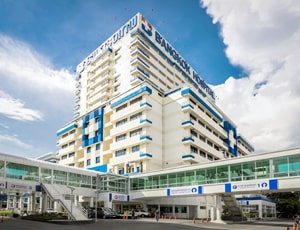
Bangkok, Thailand
One of the most renowned and honoured hospital networks in Asia- Pacific is Bangkok Dusit Medical Se...more
Post-Surgery Care Services
Choice of Meals
Phone in Room
Foreign Currency Exchange

Singapore, Singapore
Mount Elizabeth Hospital is a multispecialty healthcare facility operated by Parkway Health. The hos...more
Rehabilitation
Foreign Currency Exchange
SIM
Free Wifi

Spine & Neurosurgeon
25 Years of Experience
Dr. Rakesh Dua has more than 25+ years of clinical experience in spine surgeries. He is currently providing his services as Director, Neuro & Spine Surgery at Fortis Hospital, Shalimar Bagh. Before joining Fortis Hospital, he was associated with Max super-specialist Hospital, Shalimar Bagh as Director Neurosurgery & Head Neuro Spine, and with UCMS & GTB hospital as head of the neurosurgery department. View More
Last Reviewed - January 2026