
Trusted by 100,000+ International Patients
Total Knee Replacement B/L: Singapore vs Thailand
Cost, Quality & Recovery Compared
$25000
Singapore Starting Cost
$12000
Thailand Starting Cost
See how these top medical tourism destinations compare for Total Knee Replacement B/L.
| Comparison Factor | Singapore | Thailand | Winner |
|---|---|---|---|
| Average Cost (in USD) | 25000 - 45000 | 12000 - 14000 | Thailand |
| Success Rate (Min and Max) | 90% – 97% (10–15 year implant survival benchmarks) | 88% – 95% (10-year implant survival benchmarks) | Thailand |
| Advanced Technology | Advanced robotic-assisted knee replacement, computer-assisted navigation, patient-specific implants, and minimally invasive orthopaedic surgery available in leading hospitals. | Robotic-assisted knee replacement, computer-assisted navigation, and minimally invasive orthopaedic techniques are available in major tertiary hospitals. | Both Equal |
| JCI Accredited Hospitals | 15+ | 30+ nationally | Thailand |
| Visa Process | Medical Visa / Short-Term Visit Pass (3–7 working days depending on nationality) | Medical Visa / Tourist Visa (typical processing 3–10 working days depending on nationality) | Both Equal |
| Implant Brands & Availability | Global implant brands such as Zimmer, Stryker, Smith & Nephew, and DePuy Synthes are widely available in major orthopaedic centres. | Internationally recognised implant brands are widely available in leading orthopaedic hospitals. | Both Equal |
*Costs are estimates and may vary based on hospital, complexity, and package inclusions. See detailed cost breakdown below
Understand exactly where your money goes. Both countries offer all-inclusive packages, but here's how the costs typically break down.
Best for Budget-Conscious Patients
Offered Package Price (Additional Cost Excluded)
Top Hospitals: Mount Elizabeth Novena Hospital , Mount Elizabeth Hospital , Gleneagles Hospital , Parkway East Hospital
Best for Flexible Donor Requirements
Offered Package Price (Additional Cost Excluded)
Want a personalized cost estimate based on your specific condition?
Get Your Free QuoteBoth Singapore and Thailand maintain world-class healthcare standards with internationally accredited hospitals and highly trained medical professionals.
Singapore hospitals maintain international accreditations such as JCI and are recognised globally for high standards in orthopaedic surgery and patient safety.
Leading orthopaedic centres report excellent implant survival rates and strong functional recovery outcomes supported by structured physiotherapy and rehabilitation programmes.
Healthcare services are regulated by the Singapore Ministry of Health (MOH), ensuring strict medical standards, approved implant devices, and high-quality patient safety protocols.
Many hospitals in Thailand are internationally accredited by JCI and recognised for high standards in orthopaedic surgery and patient safety.
Leading orthopaedic hospitals report strong implant survival rates and favourable recovery outcomes supported by advanced rehabilitation programmes.
Hospitals operate under Thailand’s Ministry of Public Health regulations, ensuring that implants are approved, surgeons are licensed, and patient safety standards are strict.
| Quality Metric | Singapore | Thailand |
|---|---|---|
Accredited Hospitals | 15+ | 30+ |
Average Success Rate | 92–96% | 90–95% |
Average Length of Stay | 5–7 days | 5–7 days |
Top Speciality Hospital Hubs | Singapore City | Bangkok, Phuket |
Both countries have highly qualified and experienced medical specialists trained at premier institutions worldwide. Here's what sets them apart.
Orthopaedic surgeons specialising in robotic-assisted knee replacement, minimally invasive bilateral knee replacement procedures, and complex joint reconstruction.
Major hospitals perform high volumes of knee replacement surgeries with internationally trained orthopaedic surgeons experienced in treating complex joint disorders.
Orthopaedic surgeons specialising in advanced knee replacement techniques including minimally invasive and robotic-assisted bilateral knee procedures.
High surgical volumes in major orthopaedic hospitals with experienced surgeons treating both domestic and international patients.
All surgeons listed on Medigence are verified for their medical license, board certifications, hospital affiliations, and patient outcomes. We conduct background checks and regularly update our database to ensure you're connected with the best medical professionals.
Beyond medical excellence, your comfort during treatment matters. Compare the patient experience at top hospitals in both destinations.

World-class hospitals, exceptional value
Advanced orthopaedic centres equipped with robotic surgery platforms, digital navigation systems, modern operating theatres, 3D imaging technology, and dedicated physiotherapy and rehabilitation facilities.

Luxury healthcare experience
Modern orthopaedic hospitals are equipped with robotic surgery systems, digital navigation technology, advanced operating rooms, and dedicated rehabilitation centres.
Plan your medical journey with confidence. Here's everything you need to know about travel, visas, and accommodation in both countries.
We provide end-to-end travel assistance including visa facilitation, airport pickups, hotel bookings near your hospital, and local support throughout your stay. Our patient coordinators handle all logistics so you can focus on recovery.
Understanding the recovery process helps you plan better. Here's what to expect after Total Knee Replacement B/L in both countries.
Patients typically remain in the hospital for 5–7 days for monitoring, pain management, and initial physiotherapy after surgery.
A 7–10 day local stay is recommended for follow-up visits, wound checks, and early rehabilitation sessions.
10–14 days post-surgery, depending on mobility and surgeon approval.
Initial recovery: 6–8 weeks; full functional recovery: 3–6 months, depending on adherence to physiotherapy and patient factors.
In-person follow-ups recommended at 3, 6, 12 months. Telemedicine available.
Patients typically remain in the hospital for 5–7 days for monitoring, pain management, and initial physiotherapy after surgery.
A 7–10 day local stay is recommended for follow-up visits, wound checks, and early rehabilitation sessions.
10–14 days post-surgery, depending on mobility and surgeon approval.
Initial recovery: 6–8 weeks; full functional recovery: 3–6 months, depending on adherence to physiotherapy and patient factors.
Comprehensive telemedicine follow-up program. Return visits at 6, 12 months if possible.
Total Knee Replacement B/L recipients require lifelong immunosuppressant medications. Ensure you have a plan for obtaining these medications and regular blood monitoring in your home country before traveling abroad for surgery.
Every medical procedure carries risks. We believe in complete transparency so you can make a fully informed decision about your Total Knee Replacement B/L journey.
Minimised through sterile laminar airflow, OTs, and perioperative antibiotic protocol.
Common during early recovery; managed via multimodal pain control and physiotherapy.
Higher risk in elderly, diabetic, or obese patients; requires close monitoring.
Includes implant malalignment or revision surgery in rare cases.
Anticoagulants may cause minor bruising or bleeding; dosing should be monitored carefully.
The right choice depends on your specific situation. Here's a clear guide to help you decide which destination aligns with your needs.
Ideal candidates include patients with bilateral severe osteoarthritis, rheumatoid arthritis, post-traumatic arthritis, or advanced degenerative knee disease limiting mobility and quality of life.
Ideal candidates include patients with bilateral severe osteoarthritis, rheumatoid arthritis, post-traumatic arthritis, or advanced degenerative knee disease limiting mobility and quality of life.
Our medical tourism experts can analyze your case and recommend the best destination based on your medical history and budget.
Follow this step-by-step framework to make the right choice for your Total Knee Replacement B/L journey.
Assess the extent of knee joint damage through X-ray or MRI to determine the need for bilateral total knee replacement.
Review suitable implant types and the feasibility of robotic-assisted surgery to improve precision and outcomes.
Plan the overall cost, including surgery, hospital stay, medications, and post-operative rehabilitation.
Evaluate whether the patient can safely travel after surgery, especially for international medical tourists.
Arrange a structured physiotherapy and rehabilitation program to support mobility and full recovery after surgery.
Let our medical tourism experts guide you through the process. We'll help you:
No obligation • Free consultation • Response within 24 hours

Alvina Hasan is a dedicated medical researcher and scientific writer with a strong foundation in pharmaceutical sciences. She holds a B.Pharm from Jamia Hamdard University and an M.Pharm in Quality Assurance from DIPSAR University.
With deep medical expertise and a strong interest in healthcare communication, she focuses on transforming complex clinical and scientific information into clear, engaging, and easy-to-understand narratives. She develops insightful healthcare articles and research-driven content designed to support both medical professionals and patients, helping bridge the gap between advanced medical knowledge and practical understanding.
Readers can explore her published research and articles here:
https://carcinogenesis.com/index.php/JOC/article/view/868
https://carcinogenesis.com/index.php/JOC/article/view/870
. View More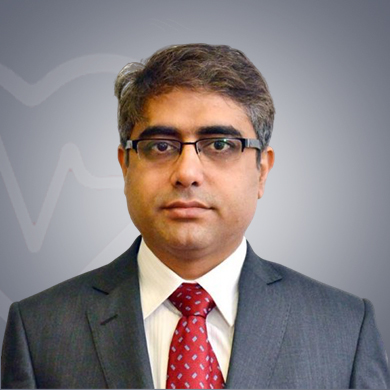
Orthopedic Surgeon
22 Years of Experience
Known for his soft-spoken nature, Dr. Manon Miglani had completed his MBBS from Maulana Azad Medical College and MS (Ortho) for All India Institute of Medical Sciences. Dr. Miglani was awarded AO spine fellowship from Queen’s Medical Center, Nottingham and he also received Stryker fellowship in Arthroplasty from Indraprastha Apollo Hospital. Dr. Manon Miglani has provided his expert services to various hospitals of Delhi and NCR including AIIMS, Indraprastha Apollo, Jaipur Golden hospital, and Artemis hospital Presently, Dr. Manon is the additional director of Fortis, Vasant Kunj and senior consultant at Fortis, Shalimar Bagh. View More
Last Reviewed - January 2026