Wilson Disease Treatment in India
- Top Accredited Hospitals
- Global Medical Standards
- Cutting-Edge Technology
- Proven Treatment Options
- High Success Rate
- Trusted by Millions

What is Wilson Disease?
Wilson disease is a rare inherited disorder of copper metabolism caused by pathogenic variants in the ATP7B gene. The condition prevents the body from properly transporting and eliminating excess copper, causing copper to accumulate primarily in the liver and, in some patients, the brain, eyes and other organs. Wilson disease can cause liver disease, neurological or movement disorders, psychiatric symptoms and other systemic complications. It is inherited in an autosomal recessive pattern.
What is the Importance of Timely Treatment?
Timely diagnosis and lifelong treatment are important because progressive copper accumulation can cause irreversible liver and neurological damage. Early treatment can reduce copper accumulation, prevent further organ injury and help control existing symptoms. Individuals with severe liver failure or disease that does not respond adequately to medical treatment may require liver transplantation.
What are the Common Symptoms of Wilson Disease?
- Jaundice or yellowing of the skin and eyes
- Abdominal swelling or discomfort
- Fatigue and weakness
- Enlarged liver or spleen
- Abnormal liver function
- Tremors
- Muscle stiffness or dystonia
- Problems with coordination or walking
- Difficulty speaking or swallowing
- Involuntary movements
- Difficulty with handwriting or fine movements
- Mood or behavioural changes
- Depression or anxiety
- Cognitive changes
- Kayser-Fleischer rings around the cornea
- Episodes of hemolytic anemia
Causes and Risk Factors of Wilson Disease
Causes
- Wilson disease is caused by pathogenic variants in both copies of the ATP7B gene, which provides instructions for a copper-transporting protein that incorporates copper into ceruloplasmin and eliminates excess copper through bile.
- Impaired ATP7B function leads to progressive copper accumulation in tissues.
Risk Factors
- Having pathogenic variants in both copies of the ATP7B gene
- Having a sibling or close relative with Wilson disease
- Having parents who are carriers of an ATP7B pathogenic variant
- Family history of unexplained liver disease or neurological symptoms
- Consanguinity in families, which can increase the likelihood of autosomal recessive disorders
Latest Research and Technologies in the Treatment of Wilson Disease in India
- Advances in Wilson disease care focus on earlier diagnosis, genetic testing, improved assessment of copper accumulation and long-term monitoring of treatment response. The Leipzig scoring system can help integrate clinical, biochemical and genetic findings when establishing the diagnosis. Genetic and molecular research is also improving understanding of ATP7B variants and may support more personalised approaches to diagnosis and treatment. Liver transplantation remains an important option for selected patients with acute liver failure or advanced disease that does not respond adequately to medical therapy.
Treatment options for Wilson Disease
Liver Transplantation : Liver transplantation may be considered for patients with acute liver failure, severe decompensated liver disease or inadequate response to appropriate medical treatment.
Cost Start From 21500Explore Options
- Clinical assessment:
- Medical and Neurological Evaluation: Detailed medical and family history, along with neurological examination and assessment of liver-related symptoms and signs.
- Copper and Liver Function Testing: Serum ceruloplasmin, serum copper, 24-hour urinary copper, liver function tests, coagulation profile and complete blood count help assess copper metabolism and organ involvement.
- Eye Examination: A slit-lamp examination is performed to detect Kayser-Fleischer rings, which result from copper deposition in the cornea.
- Genetic and Hepatic Evaluation: ATP7B genetic testing can help confirm the diagnosis. Liver biopsy with quantitative hepatic copper measurement may be considered when the diagnosis remains uncertain.
- Leipzig Scoring System: The Leipzig score combines clinical findings, copper studies, Kayser-Fleischer rings and genetic results to support the overall diagnosis of Wilson disease.
- Imaging Tests:
- Abdominal Ultrasound: Helps assess liver structure, cirrhosis, portal hypertension and other liver abnormalities.
- Liver Doppler Ultrasound: Evaluates blood flow in the portal and hepatic vessels, particularly when portal hypertension is suspected.
- Brain MRI: May identify characteristic abnormalities in patients with neurological Wilson disease and can help assess the extent of neurological involvement.
- CT Scan: May be used in selected cases when additional structural information is required.
- Elastography: May help assess liver stiffness and the degree of liver fibrosis.
- Slit-Lamp Examination: Although not an imaging test of the liver, this specialised eye examination can identify Kayser-Fleischer rings caused by copper deposition.
MediRehab (a chain of Rehab centres, part of MediGence) provides comprehensive rehabilitation services designed to support Wilson Disease patients in India. These services include:
- Physiotherapy: Helps address muscle stiffness, tremors, balance problems, weakness and gait difficulties.
- Occupational Therapy: Supports independence in daily activities and helps patients manage coordination and fine motor challenges.
- Speech and Swallowing Therapy: May help patients with speech, communication or swallowing difficulties caused by neurological involvement.
- Neurorehabilitation: Structured rehabilitation can address movement disorders, coordination problems and other neurological limitations.
- Nutritional and Psychological Support: Dietitians can support appropriate copper intake and nutritional needs, while psychological support can help manage mood, behavioural and adjustment-related difficulties.
- Medical treatment for Wilson disease is lifelong and aims to reduce excess copper and prevent further accumulation. Copper-chelating medicines increase urinary copper excretion, while zinc salts reduce intestinal copper absorption and may be used in selected patients. Additional medicines may be prescribed to manage neurological, psychiatric, liver-related or other complications. Regular monitoring of liver function, blood counts, urinalysis, serum copper, and urinary copper helps assess treatment effectiveness and safety.
Instantly Connect with our Specialists


Hospitals for Wilson Disease in India

Sanar International Hospital
Gurugram, India
Sanar International Hospital is a multispeciality hospital based on Golf Course Road in Gurugram, a part of Delhi NCR. It was founded in 2018 and houses one of the most comprehensive and advanced surgical care specialties. This 150-bedded facility is committed to providing the best patient experiences and healthcare services is the core of the hospital’s mission. Staffed by a group of visionary and competent medical professionals who are well-versed in their fields and eminent for their empathy and understanding, Sanar International Hospital provides optimal care to its patients, making it a popular
Specialties in the Hospital such as Heart, Bone, and Joint neurosciences, Cancer, Kidney and Liver Transplant, and other successful procedures along with experienced medical professionals have made a mark for themselves among domestic patients and international patients who come to India to have the finest healthcare services. It follows strict international practices and believes that the centricity of the patient is essential for providing high-quality care through world-class infrastructure and state-of-the-art facilities. The technologies offered by the Hospital include Digital X-rays, MRI, CT, Ultrasound, transfusion medicine, pharmacy, laboratory services, 24 hrs emergency and ambulance services.
It offers more than 20 plus specialties such as General Medicine, Anesthesiology, Cardiac Sciences, Ophthalmology, Gastroenterology, Hematology, Orthopedics, General Surgery & Surgical, Cardiothoracic Surgery, Hepato Biliary Surgery, Pediatrics, Liver Transplantation, and Critical Care Medicine. The Hospital has a highly skilled medical staff of neuro-anesthetists, neurologists, specialized neurocritical care experts, neurosurgeons neuropsychologists, and neuropsychiatrists. There are specific centers for the treatment of epilepsy, stroke, brain tumors, movement disorders, spinal problems, and headaches.
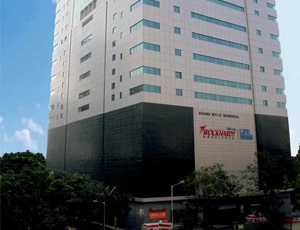
Wockhardt Hospital - A new Age Hospital
Mumbai, India
Wockhardt Hospital - A New Age Hospital located in Mumbai, India is accredited by NABH. Also listed below are some of the most prominent infrastructural details:
- 20-storeyed building at Mumbai Central (South Mumbai)
- Capacity of 350-beds
- Two highly-advanced cath labs with ultra-modern technologies to perform high risk coronary procedures and neurological surgeries
- 8 Operation Theatres- Cardiac, Joint Replacement, Neurology, Oncology, MAS and Organ Transplantation
- 100 beds dedicated to Critical Care, which are connected to IntelliSpace Critical Care & Anaesthesia (ICCA) system
- Largest Paediatric Cardiac Unit
- It has the largest Intelligent ICCA System
- Possess Hi-tech GPS-enabled Ambulances and largest state-of-the-art Accident & Emergency unit in South Mumbai
- As far as accommodation facility is considered, the Hospital makes it easily accessible for the patients in nearby hotels/lodges

Sri Ramachandra Medical Centre
Chennai, India
Sri Ramachandra Medical Centre located in Chennai, India is accredited by ISO, JCI, NABH, NABL. Also listed below are some of the most prominent infrastructural details:
- The best minds in healthcare including specialists, and other healthcare professionals work together to treat patients with simple to complex and critical conditions.
- The number of inpatients and outpatients (annually) are 35,000 and 2,50,000 respectively.
- A wide range of surgical specialties, sub specialties are available in Sri Ramachandra Medical Centre Chennai.
- The bed capacity of the hospital is 800 which is inclusive of 200 Intensive Care Unit beds.
- Blood Bank and Eye Bank are available on a 24/7 basis.
Our Services to better your experience
Opinion & Option
We submit the most accurate opinion and options from one or more countries for your review
Consult Privately
Consult with a certified specialist privately on our telemedicine platform even before you decide to travel
Logistics
We handle flights, visas, transfers, and accommodation—so you can focus on your health.
Recovery
Our In-house rehabilitation service packages to better your recovery and treatment outcome
Why Choose India for Wilson Disease Treatment?
- Multidisciplinary Specialist Care: Patients can access hepatologists, neurologists, gastroenterologists, genetic specialists, transplant physicians and rehabilitation professionals.
- Advanced Diagnostic Facilities: Major centres may offer copper studies, genetic testing, liver assessment, brain MRI and specialised ophthalmological evaluation.
- Comprehensive Medical Management: Specialised teams can provide long-term chelation, zinc therapy, nutritional management and monitoring of treatment response.
- Liver Transplantation Services: Selected centres provide liver transplantation for patients with acute liver failure or advanced liver disease requiring transplant evaluation.
- Rehabilitation and Long-Term Support: Physiotherapy, occupational therapy, speech therapy, nutritional care and psychological support can be integrated according to individual needs.