Vesicoureteral Reflux (VUR) Treatment in India
- Top Accredited Hospitals
- Global Medical Standards
- Cutting-Edge Technology
- Proven Treatment Options
- High Success Rate
- Trusted by Millions

What is Vesicoureteral Reflux (VUR)?
Vesicoureteral reflux is when some urine leaves the bladder in the wrong direction. It returns via ureteric tubes, which link the kidneys and bladder. Urine usually travels from the kidneys to the bladder via the ureters. It is not intended to flow upward again.
Children and babies are most frequently affected by vesicoureteral reflux. Because of a structural problem with one of the two ureters, some people are born with vesicoureteral reflux. Others get the illness later because of factors like incomplete bladder emptying.
What is the Importance of Timely Treatment?
It is essential to treat Vesicoureteral Reflux (VUR) as soon as possible to avoid kidney damage, UTIs, and potential long-term issues like renal failure or kidney scarring.
By treating reflux before it causes irreversible damage, early intervention helps to maintain kidney function and prevent recurrent infections.
Additionally, timely therapy prevents the illness from worsening and necessitates more invasive procedures.
What are the Common Symptoms of Vesicoureteral Reflux (VUR)?
Urinary tract infections (UTIs) frequently cause symptoms of vesicoureteral reflux. These signs may consist of:
- An intense, ongoing need to urinate
- The sensation of burning when urinating
- The frequent need to pass little volumes of pee
- Cloudy urine
- Fever
- Discomfort in the stomach, groin, or side
Babies and some young children with UTIs cannot communicate their symptoms to adults. However, they might have:
- Fever without any apparent cause
- Lack of hunger
- Fussiness
If left untreated, vesicoureteral reflux in children can result in:
- Wetting the bed
- Loss of control over bowel movements or constipation
- Elevated blood pressure
- Urine that contains protein
- Urinating urgently or more frequently than usual is necessary
- Urinary incontinence is the term for accidentally leaking pee
- Hydronephrosis
Types of vesicoureteral reflux
The two types of VUR are primary and secondary:
- Primary VUR: Most VUR cases are primary, typically affecting only one kidney and one ureter (unilateral reflux).
- Secondary VUR: Secondary VUR happens when a blockage in the urinary tract raises the pressure and forces urine back into your child's kidneys, ureters, or bladder from the urethra.
Stages of Vesicoureteral Reflux (VUR)
- Grade 1: The ureter is a standard width, but the urine travels backwards.
- Grade 2: Pee backs up into the renal pelvis, where the kidney and ureter connect, and a ureter. The ureter and renal pelvis have not widened.
- Grade 3: Due to pee backing up, the ureter(s), renal pelvis, and calyces where urine collecting starts in the bladder are mild to moderately enlarged.
- Grade 4: Due to excessive pee backing up, the kidney pelvis and calyces are substantially enlarged, and the ureter or ureters are curved.
- Grade 5: There is significant enlargement and distortion of the ureter or ureters. Due to an excessive volume of urine backing up, the renal pelvis and calyces are substantial.
Causes, Risk Factors and Complications of Vesicoureteral Reflux (VUR)
Causes
Primary vesicoureteral reflux: Vesicoureteral reflux comes in two primary forms, each with its causes.
Children often develop vesicoureteral reflux due to a valve issue, allowing urine to flow back up ureters. The valves may improve as they grow, and this condition may be genetically inherited.
Secondary vesicoureteral reflux: This kind of reflux is typically caused by improper bladder emptying. This can happen for a variety of reasons.
Risk Factors
Vesicoureteral reflux risk factors include:
- Bladder and bowel dysfunction (BBD): Children with BBD retain faeces and urine.
- Assigned sex at birth: Generally speaking, girls are far more likely than boys to have this illness. Vesicoureteral reflux that is present from birth is an exception. Boys are more likely to experience this.
- Age: Vesicoureteral reflux is more common in infants and young children up to age two than in older kids.
- Family history: In most cases, primary vesicoureteral reflux runs in families. The disorder is more likely to affect children whose parents had it.
Complications
Vesicoureteral reflux disease (VUR) in children can lead to the following complications:
- Bladder and kidney infections are examples of urinary tract infections (UTIs).
- Bladder issues, such as bedwetting, urine retention, and incontinence.
- Elevated blood pressure
- Kidney damage (Nephrotic syndrome), kidney scarring, and chronic kidney failure (Rarely).
Connect with our advisor for a PRIORITY response
Latest Research and Technologies in the Treatment of Vesicoureteral Reflux (VUR)
- Modern research and technology for treating vesicoureteral reflux (VUR) concentrate on minimally invasive methods, like injecting bulking agents endoscopically to stop reflux without surgery.
- Magnetic resonance voiding cystourethrography (MR-VCUG) is one of the advanced imaging procedures that offers less invasive and more accurate diagnosis.
- Furthermore, genetic research seeks to identify the root causes of VUR to provide more individualised treatment plans.
Vesicoureteral Reflux (VUR) Prevention Tips
Diet, lifestyle modifications, or medication cannot prevent vesicoureteral reflux (VUR). However, you may take actions to enhance the general health of your child's urinary system. Ensure that your child:
- Consumes adequate water.
- Changing their diaper should be done right away after urination and faeces.
- Pees regularly and avoids “holding it.”
- As quickly as possible, constipation and faecal or urine incontinence are treated.
Treatment options for Vesicoureteral Reflux (VUR)
Ureteral Reimplantation: Repositioning the ureter surgically to stop urine from flowing backwards into the kidneys is known as ureteric reimplantation.
Endoscopic Injection: To stop reflux, a bulking agent is injected into the ureter during a minimally invasive procedure.
Cost Start From USD 100 - USD 200Explore Options
These are the following tests to diagnose vesicoureteral reflux (VUR):
- Blood tests: Elevated creatinine or protein levels indicate renal impairment.
- Urine testing and culture: Bacteria in urine indicate an illness, while protein in urine indicates kidney impairment.
- Blood pressure checks: Children with kidney issues are more likely to have high blood pressure.
- VCUG is an X-ray procedure: That can be carried out in various situations without anaesthesia. It involves using a catheter to fill the bladder with a dye to detect urine flowing backwards into the ureters.
- Ultrasound: Using sound waves, this painless and safe imaging method produces pictures of your child's whole urinary tract, including their kidneys and bladder.
- Dimercaptosuccinic acid (DMSA) scan: This can determine whether your child's kidneys have scars from kidney UTIs.
- Radionuclide Cystogram (RNC): A small amount of radioactive material is used in this diagnostic imaging process to assess the bladder and urinary tract and identify Vesicoureteral Reflux (VUR) and other urinary abnormalities.
- Preventing UTIs and controlling symptoms are the main goals of rehabilitation programs for vesicoureteral reflux (VUR).
- Surgical Recovery: Post-operative rehabilitation following surgery (such as ureteral reimplantation) may involve recovery-promoting activities, such as routine follow-ups and kidney function monitoring.
- Bladder muscle medications: Are prescribed to help control the function of the bladder muscles and lessen VUR symptoms.
- Antibiotics: Urinary tract infections (UTIs) can be prevented or treated with antibiotics, lowering the risk of kidney damage from repeated infections.
Instantly Connect with our Specialists


Hospitals for Vesicoureteral Reflux (VUR) in India

Medanta - The Medicity
Gurgaon, India
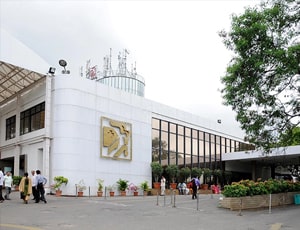
Medanta – The Medicity, Gurugram, founded by renowned cardiac surgeon Dr. Naresh Trehan, is a leading multi-super speciality hospital offering advanced yet affordable healthcare. Spread across a 43-acre campus, it houses 1,391 beds, 270 ICU beds, 40 operation theatres, and 900+ doctors across 30+ specialities. Accredited by JCI, NABH, and NABL, Medanta is designed per American Institute of Architects’ healthcare guidelines. Recognised as the Best Private Hospital in India (2020–2025) and among the World’s Top 250 Hospitals (Newsweek 2024), it excels in Cardiac Care, Cancer, Neurosciences, Gastro, Orthopaedics, and Renal Care, ensuring world-class, collaborative, and compassionate treatment.
Apollo Hospitals
Hyderabad, India
Apollo Hospitals located in Hyderabad, India is accredited by JCI, NABH. Also listed below are some of the most prominent infrastructural details:
- A premier multi-specialty hospital with 477-bed capacity
- More than 50 specialties, super-specialties
- 12 Centers of Excellence
- The Institutes for Heart Diseases, Neurosciences, Cancer, Emergency, Orthopaedics, Renal Diseases, and Transplants
- Centers of Excellence are known for patient care, training and research
- Doctors with years of truly global experience in healthcare delivery

Star Hospitals
Hyderabad, India
Star Hospitals located in Hyderabad, India is accredited by NABH, NABL. Also listed below are some of the most prominent infrastructural details:
- The bed capacity of Star Hospitals, Hyderabad, India is 130.
- The hospital has Intensive Care Units which are upgraded with the latest technologies.
- International patient care services are applied to make the process of medical travel easier for international patients.
- Centres of Excellence across disciplines such as Cardiac Sciences, Renal Sciences, Critical Care, ENT, Spine Surgery etc.
- A radiology centre which has been digitised.
- There are Centers of Excellence for prominent specialties such as cardiac care and neurosciences, there are a total of six.
Our Services to better your experience
Opinion & Option
We submit the most accurate opinion and options from one or more countries for your review
Consult Privately
Consult with a certified specialist privately on our telemedicine platform even before you decide to travel
Logistics
We handle flights, visas, transfers, and accommodation—so you can focus on your health.
Recovery
Our In-house rehabilitation service packages to better your recovery and treatment outcome
Why Choose India for Vesicoureteral Reflux (VUR)?
Here are some of the reasons for choosing India:
- Due to advancements in medical facilities, such as minimally invasive surgical techniques.
- World-class experts include highly experienced doctors, JCI, and NABH-accredited healthcare institutions.
- Compared to other countries, treatment in Indian hospitals is cost-effective.
- Indian hospitals provide International patient services, including a multilingual support system.
- Improved treatment methods and biological therapies.
Frequently Asked Questions
Indeed. Your child may grow out of VUR, particularly if their primary VUR grade is lower than one or two. Within a few years, children may outgrow this variety.VUR is very curable, and most kids don't experience any long-term consequences.
In moderate situations, particularly in lower grades of reflux, VUR may go away on its own as the kid gets older. Regular monitoring is necessary to keep track of any changes.
In India, Vesicoureteral Reflux (VUR) treatment is usually highly successful, especially when early diagnosis and proper management are used. Success rates for surgical therapies, such as endoscopic procedures and ureteral reimplantation, range from 85% to 95%, depending on the approach and the severity of the ailment. Minimally invasive procedures and antibiotic prophylaxis also help manage effectively by lowering the risk of kidney damage and infections.
Since a UTI is frequently the initial indication of VUR, consult your child's paediatrician if you suspect one. Other symptoms may also indicate VUR, such as painful urination, incontinence, or an inexplicable fever. If your paediatrician suspects VUR, they might refer you to a specialist.
When VUR is severe or untreated, it can result in renal scarring, which can impede kidney function or induce kidney failure.
Observe your doctor's advice on treatment and monitoring:
- Keep an eye out for any UTI indications and report them immediately.
- Make sure your child consumes a lot of liquids.

Reviewer

Dr. Ashish George
Gastroenterologist
18 Years of Experience
Dr. Ashish George is one of the leading names in HPB surgery & liver transplantation and has about 18+ years of experience.He is a principal consultant & unit head of liver transplant at Fortis Shalimar Bagh. View More
Last Reviewed - January 2026