Ventral Hernia Treatment in India
- Top Accredited Hospitals
- Global Medical Standards
- Cutting-Edge Technology
- Proven Treatment Options
- High Success Rate
- Trusted by Millions

What is a Ventral Hernia?
A ventral hernia forms through the muscles in your front stomach. Your front or stomach is known as "ventral." The bulging of one of your internal organs or tissues through a defect in the wall of its body cavity is a hernia. Most hernias (but not all) occur on one of your abdomen's walls.
What is the Importance of Timely Treatment?
Repair of a ventral hernia is essential to perform as early as possible to prevent complications such as strangulation, which causes death of the herniated tissue through the interruption of blood supply. Early treatment can also prevent further worsening of the hernia, thus reducing the need for more complex surgery. Besides stopping long-term effects and reducing the likelihood of re-herniation, early treatment minimises pain, returns the body to its normal function, and improves the quality of life.
What are the Common Symptoms of Ventral Hernia?
There are some common symptoms of ventral hernia, including:
- Hernia location pain or tenderness, which may worsen when you are moving or when you lift.
- Tenderness at the bulge's location.
- A feeling of abdominal pressure or heaviness.
- Constipation or change in bowel habits in case the hernia involves organs in the area.
- Nausea or vomiting in strangulated hernia, where the blood supply to the herniated tissue is cut off.
Causes and Risk Factors of Ventral Hernia
Causes
- Increased intra-abdominal pressure:
- Heavy lifting
- Straining with bowel movements
- Obesity
- Pregnancy
- Weak abdominal wall:
- Past abdominal surgery
- Congenital weakness of the abdominal wall
- Ageing:
- Typical weakening of muscles and tissues with age
- Injury or trauma:
- Direct trauma to the abdomen
Risk Factors
- Obesity
- Pregnancy
- Advanced Age
- Chronic Medical Conditions
- Poor Nutrition
- Smoking
- Family History
Connect with our advisor for a PRIORITY response
Ventral Hernia Prevention Tips
The following tips will prevent you from getting a ventral hernia:
- Being at a healthy weight keeps the abdominal wall from becoming too strained.
- To have strong abdominal muscles, do core-strengthening exercises regularly.
- You can use safe lifting methods by bending at the knees and lifting with your legs.
- Drink plenty of fluids and consume a high-fibre diet to prevent constipation.
- When having bowel movements, avoid straining.
- To preserve the integrity of your connective tissue, quit smoking.
- Treat chronic coughing issues like asthma or COPD to prevent constant abdominal pressure.
- Preserving muscle tone and supporting the abdominal wall during pregnancy can be done by performing light exercises.
- Avoid activities that excessively strain the abdominal wall, particularly during healing or after surgery.
Treatment options for Ventral Hernia
Laparoscopic Hernia Repair: is a minimally invasive procedure that uses a camera and surgical tools to treat a ventral hernia through tiny incisions.
{laparoscopic-hernia-repair}- Clinical Assessment:
- Physical Examination: A doctor can palpate and visually examine the abdomen to check for swelling or bulge, especially when the patient strains, coughs, or moves in particular manners.
- Imaging Tests:
- Ultrasound: In addition to detecting hernias, ultrasound can detect protruding tissue and give an unmistakable image of the abdominal wall.
- CTscan offers careful cross-sectional views of the abdomen, which can be used to check the size, site, and contents of the hernia.
- MRI: An MRI is needed to image the tissues better and assess the hernia, particularly in complicated cases or conditions with suspected complications.
MediRehab (chain of Rehab centres - Part of MediGence) provides comprehensive rehabilitation services designed to support Ventral Hernia patients in India. These services include:
Physical therapy: Exercises for breathing and core strengthening to stabilise and relax the abdominal muscles.
Post-Surgical Rehab: Early mobilisation, scar management, and a gradual return to activity after surgery.
- Depending on the situation, your healthcare professional may prescribe medicine to help control your symptoms and support the treatment plan.
Instantly Connect with our Specialists


Hospitals for Ventral Hernia in India

Apollo Hospital
Chennai, India
Apollo Hospital located in Chennai, India is accredited by JCI, NABH. Also listed below are some of the most prominent infrastructural details:
- Committed Centers of Excellence involving many major specialties, super specialties
- Assistance in trip planning and execution
- Insurance related assistance
- Visa facilitation
- International patient representatives for complete end to end travel and transfer processing for medical travellers
- Language translators availability
- Robust safety and infection protocols
- Personalised, Visa and Premium Health Checks available
- Health Library and accessing health records online
- Wide variety of procedures accomplished including complex and critical procedures
- Technologically advanced systems and procedures in place
- Research and academics base of healthcare delivery

Apollo Multispecialty Hospitals
Kolkata, India
Apollo Multispecialty Hospitals located in Kolkata, India is accredited by JCI, NABH. Also listed below are some of the most prominent infrastructural details:
- International patient Center
- Focus on research and innovation
- Different amenities: Transport, Security, Travel Desk, Places of Worship, Telecommunication Service, Special Nurse, Food & Dietary Services
- Several kinds of rooms: General ward, Semi Private Rooms, Private Rooms, Deluxe, Super Deluxe, Suite, Maharaja Suite, HDU, Gastro ICU, Emergency, Neonatal ICU, Level 1, Level 2 & Level 3
- Health Insurance coverage available
- Here is a comprehensive list of the various kinds of key medical procedures performed through the latest technology.
- Arthroscopy
- Bone Marrow Transplant
- Cosmetic Surgery
- Da Vinci Robotic Surgical System
- Fractional Flow Reserve (FFR)
- Hand Microsurgery
- Hip Arthroscopy
- Minimally Invasive Cardiac Surgery
- Minimally Invasive Subvastus Total Knee Replacement
- Oral & Maxillofacial Surgery
- 128 Slice PET CT
- Bioresorbable Vascular Scaffold (BVS)
- ECMO
- OCT Technique - Optical Coherence Tomography
- Single Port Endoscopic technique of Carpal Tunnel Release (ECTR)

Indraprastha Apollo Hospital
Delhi, India
Indraprastha Apollo Hospital is known for delivering treatment to over 200,000 patients every year; 10,000 of which are generally medical tourists. The efficient team of doctors has the record of 99.6 percent success rate. Indraprastha Apollo Hospital deals in treatment of over 50 specialities.
Let’s see some of the features of the infrastructure:
- Spread over 15 acres, the hospital has 710 beds.
- 6 beds dedicated to bone marrow transplant units with very strict infection control practices.
- 64-Slice Scan coupled with data acquisition which provides highest temporal resolution
- One of the hospitals to be using Da Vinci Robotics Surgery System
- In South Asia, the Spect-CT and Pet-CT got their first installation at Indraprastha Apollo Hospital in India
- Technologies such as PET- MR, BrainLab Navigation System, PET-CT, Portable CT Scanner, Tilting MRI, NovalisTx, Cobalt based HDR Brachytherapy, Hyperbaric Chamber, DSA Lab, Fibroscan, 3 Tesla MRI, Endosonography, 128 Slice CT scanner are all installed at the hospital.
- The Cancer Institute at Indraprastha Apollo is equipped with a highly advanced Radiation Oncology Center with ClinaciX, NovalisTx, and HDR-Brachytherapy.
- It is equipped with the largest Sleep Lab in Asia, & has one of the largest Dialysis Units in India.
- A large number of ICU beds than any other Private Hospitals in India.
- WIFI is accessible across the whole campus.
Our Services to better your experience
Opinion & Option
We submit the most accurate opinion and options from one or more countries for your review
Consult Privately
Consult with a certified specialist privately on our telemedicine platform even before you decide to travel
Logistics
We handle flights, visas, transfers, and accommodation—so you can focus on your health.
Recovery
Our In-house rehabilitation service packages to better your recovery and treatment outcome
Why Choose India for Ventral Hernia Treatment?
India is one of the best options for treating Ventral Hernia due to its world-class healthcare, advanced technology, and experienced doctors. With world-class hospitals providing end-to-end care, ranging from diagnosis to post-care support, the country offers more affordable therapy than most Western nations.
Frequently Asked Questions
No, a ventral hernia does not typically heal by itself. Surgery is the only permanent way to fix it. While non-surgical methods (e.g., support garments) can temporarily alleviate symptoms, they cannot correct the underlying defect in the abdominal wall. Small hernias might not produce immediate symptoms, but the condition typically requires medical treatment.
After surgery in India for a ventral hernia, recovery typically occurs in four to six weeks. Light activity is often resumed after one to two weeks, although initial pain and oedema are common during the first several days. Heavy lifting and strenuous exercises should be avoided until fully recovered. Complete recovery typically occurs in four to six weeks, depending on the procedure and each individual's healing. Following the surgeon's orders and attending follow-up appointments are essential to ensure a proper recovery.
To manage pain from a ventral hernia, you can:
- To relieve pain, take over-the-counter painkillers like acetaminophen or ibuprofen.
- Wear an abdominal binder or hernia support belt to decrease pressure on the affected area and provide external support.
- Avoid strenuous activities like heavy lifting that could worsen pain or put pressure on muscles in your abdomen.
- Practice good posture to minimise strain on the abdominal wall.
- Heat or ice packs alleviate pain and swelling in certain body parts.
- Take the medications prescribed by your doctor and adhere to other means of managing the pain.
Yes, if not treated, a ventral hernia can cause problems. These may include bowel obstruction, which results in pain, nausea, and vomiting; strangulation, which cuts off the blood supply to the tissue; and incarceration, where the herniated tissue is trapped. The hernia may also get bigger and cause further problems with time. Keeping an eye on the condition is essential; medical attention must be obtained if issues develop.
The long-term results of a ventral hernia can involve chronic pain, discomfort, and an apparent stomach bulge. The hernia can enlarge over time, straining the surrounding tissues more. It can also challenge everyday bodily functions, such as lifting and straining. If treatment is not sought, complications include bowel blockage, strangulation, or the hernia becoming incarcerated.
Avoid heavy lifting, strengthen your core muscles through safe exercises, and have great posture to minimise the strain on the abdomen to prevent a ventral hernia while pregnant. Eat high-fibre foods to ease constipation, and stay hydrated with lots of water. Wearing a maternal support belt is another way to reduce abdomen pressure.
Yes, physical therapy is often recommended for recovering from ventral hernias, especially after surgery. It can avoid complications such as muscle weakness or re-injury, reinforce the abdominal muscles, and improve core stability. Physical therapy can include posture, breathing, flexibility exercises, and guidance on gradually returning to normal activities. Our MediRehab (part of MediGence) provide rehabilitation services after hernia repair surgeries.
Author

Alvina Hasan
Alvina Hasan is a dedicated medical researcher and scientific writer with a strong foundation in pharmaceutical sciences. She holds a B.Pharm from Jamia Hamdard University and an M.Pharm in Quality Assurance from DIPSAR University.
With deep medical expertise and a strong interest in healthcare communication, she focuses on transforming complex clinical and scientific information into clear, engaging, and easy-to-understand narratives. She develops insightful healthcare articles and research-driven content designed to support both medical professionals and patients, helping bridge the gap between advanced medical knowledge and practical understanding.
Readers can explore her published research and articles here:
https://carcinogenesis.com/index.php/JOC/article/view/868
https://carcinogenesis.com/index.php/JOC/article/view/870
View MoreReviewer
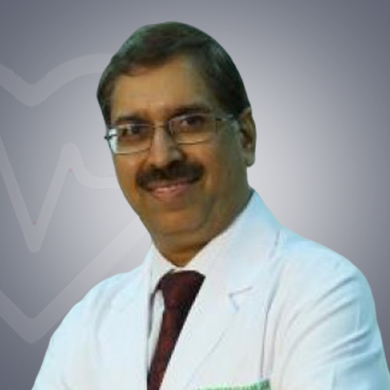
Dr. Pradeep Jain
General & Laparoscopic Surgeon
33 Years of Experience
Dr. Pradeep Jain has completed his MBBS, MS - General Surgery, MCh - Surgical Gastroenterology/G.I. Surgery, and MCh - Surgical Oncology. He is a GastroIntestinal Surgeon, General Surgeon, Surgical Oncologist, Bariatric Surgeon par excellence with total experience of 36 years of which about 33+ years have been as a specialist View More
Last Reviewed - January 2026