Vasculitic Neuropathy Treatment in India
- Top Accredited Hospitals
- Global Medical Standards
- Cutting-Edge Technology
- Proven Treatment Options
- High Success Rate
- Trusted by Millions

What is Vasculitic Neuropathy?
Vasculitis is a systemic disease that causes blood vessel inflammation. Blood artery blockage brought on by inflammation may result in ischaemia in the organs and tissues. When the inflammation is in the blood vessels supplying peripheral nerves, patients may develop vasculitic neuropathy
What is the Importance of Timely Treatment?
Timely treatment is important because Vasculitis-induced inflammation can weaken, stretch, thicken, bulge, or leave scars on blood vessel walls, which can reduce or even stop blood flow normally. The weak vessel may rupture in the brain and other locations, resulting in bleeding into the surrounding tissues.
What are the symptoms of Vasculitic Neuropathy?
The kind and location of the affected nerve fibre determine the symptoms of vasculitic neuropathy. It frequently results in sensory and motor dysfunction, which shows up as paresthesias, or strange feelings, as well as limb muscle weakness, discomfort, and numbness. Vasculitic neuropathy can be highly asymmetrical, affecting one leg more than the others, in contrast to many other peripheral neuropathies.
Causes and Risk Factors of Tethered Vasculitic Neuropathy
Causes
Neuropathy can be brought on by a number of illnesses, such as carpal tunnel syndrome, diabetes, lupus, rheumatoid arthritis, cancer, and Lyme disease. Sensory and motor loss are frequently caused by illnesses or injuries affecting the peripheral nerves.
Risk Factors
- Individuals who smoke may be more susceptible to peripheral neuropathy
- Toxicities or inadequacies in nutrition
- Excessive use of alcohol
- Lupus, rheumatoid arthritis, or other autoimmune conditions
- A family history of familial amyloid polyneuropathy, Charcot-Marie-Tooth disease, or other hereditary nerve disorders.
Connect with our advisor for a PRIORITY response
Vasculitic Neuropathy Prevention Tips
Maintaining a healthy diet is particularly crucial for ensuring that you receive essential vitamins and minerals. Make sure your diet consists of lean protein, whole grains, fruits, and veggies. Don't drink too much. Drinking alcohol can exacerbate peripheral neuropathy.
Treatment options for Vasculitic Neuropathy
The goal of treating vasculitic neuropathies is to reduce the underlying blood vessel inflammation.
Plasmapheresis: Plasma exchange may be useful for quickly eliminating dangerous antibodies and inflammatory mediators in patients with severe vasculitis who do not respond to conventional therapies like corticosteroids or immunosuppressive medications.
Cost Start From USD 600 - USD 1500Explore Options
Immunotherapy: Immunomodulatory treatments are frequently effective in treating vasculitic neuropathy since the underlying blood vessel inflammation is an autoimmune disease. Initially, corticosteroids are used to treat the patients. However, patients are frequently transferred to "corticosteroid-sparing" medications because prolonged use of corticosteroids is linked to a number of problems
Cost Start From USD 3000 - USD 5000Explore Options
Vasculitic neuropathy is diagnosed based on the patient's medical history, clinical examination, and any supportive laboratory tests. These include nerve and muscle biopsies for histological analysis, skin biopsies to assess cutaneous nerve innervation, and electromyography with nerve conduction tests.
MediRehab (chain of Rehab center - part of MediGence provides comprehensive rehabilitation services designed to support arthritis patients in
- Personalized Therapy Plans: When a patient's condition is stable enough to tolerate exercise, physical therapy and occupational therapy are used to manage pain, improve muscle strength, maintain mobility, and address functional limitations. Depending on the extent of nerve damage, splints may be used for foot drop or other weaknesses.
- Rehabilitation post Surgery: physiotherapy sessions focused on restoring lost functions
- Nutrition Guidance Additionally, patients should stay away from grain-fed meat and processed foods. Oily fish including salmon, mackerel, trout, and sardines provide omega-3 lipids that are good for autoimmune diseases. Additionally, green leafy vegetables, walnuts, and flaxseed contain omega 3. Supplements of omega-3 fish oil that contain EPA and DHA may be beneficial.
- Depending on the situation, your healthcare professional may prescribe medicine to help control your symptoms and support the treatment plan.
Instantly Connect with our Specialists


Hospitals for Vasculitic Neuropathy in India
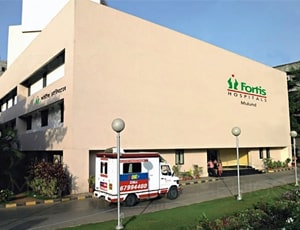
Fortis Hospital, Mulund
Mumbai, India
Fortis Hospital Mulund, located in Mulund West, Mumbai, is a premier healthcare facility providing excellence in multi-speciality healthcare for over 20 years. The global leader in advancing medical technology and clinical expertise, the hospital offers specialities including Cardiology, Neurosciences, Oncology, Transplants, and Orthopaedics. The hospital is well-known for being the largest transplant center in Maharashtra and offers advanced treatment options, including Transcatheter Aortic Valve Implantation (TAVI) and stereotactic precision radiotherapy for cancer. Fortis Mulund is equipped with a 24/7 Emergency Department and International Patient Unit to provide world-class patient-centric care.
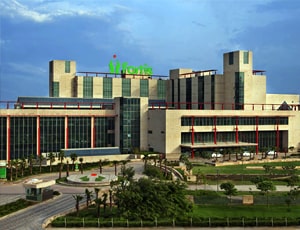
Fortis Memorial Research Institute
Gurgaon, India
Fortis Healthcare Limited stands as one of India's largest integrated healthcare providers, managing 33 hospitals across 11 states and operating more than 5,700 beds and 400 diagnostic labs. Four of our hospitals are accredited by JCI and 26 by NABH. With a workforce of over 12,500 healthcare professionals, we combine clinical excellence, a patient-focused approach, and innovation to provide high-quality, affordable, and compassionate healthcare to patients in India.
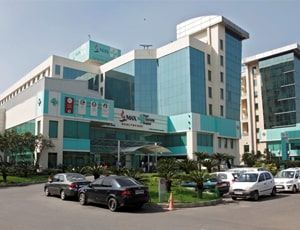
Max Super Speciality Hospital, Saket
Delhi, India
Max Smart Super Speciality Hospital, Saket, is a 250-bed tertiary care hospital awarded NABH accreditation, which provides advanced medical care in various specialities such as Cardiac Sciences, Orthopaedics, Neurology, Urology, Kidney Transplant, Paediatrics, and Obstetrics & Gynaecology. The hospital provides quality, safe, integrated, and patient-centric medical care using modular OTs, ICUs, Cath Labs, CT, MRI and Dialysis units.
Our Services to better your experience
Opinion & Option
We submit the most accurate opinion and options from one or more countries for your review
Consult Privately
Consult with a certified specialist privately on our telemedicine platform even before you decide to travel
Logistics
We handle flights, visas, transfers, and accommodation—so you can focus on your health.
Recovery
Our In-house rehabilitation service packages to better your recovery and treatment outcome
Why Choose India for Vasculitic Neuropathy Treatment?
Here are some of the reasons for choosing India:
- Due to advancements in medical facilities, such as minimally invasive surgical techniques and plasmapheresis procedures.
- World-class experts include highly experienced doctors, JCI, and NABH-accredited healthcare institutions.
- Compared to other countries, treatment in Indian hospitals is cost-effective.
- Indian hospitals provide international patient services, including a multilingual support system.
- Improved treatment methods and biological therapies.
Frequently Asked Questions
Yes, it is curable; however, managing the underlying blood vessel inflammation is essential to treating vasculitic neuropathies. Immunomodulatory treatments are frequently effective in treating vasculitic neuropathy since the underlying blood vessel inflammation is an autoimmune disease. Initially, corticosteroids are used to treat the patients.
The nation's healthcare institutions offer top-notch treatment alternatives, guaranteeing successful outcomes for many patients. As is customary throughout the world, the first line of treatment typically consists of high-dose corticosteroids, which are frequently coupled with immunosuppressants such as cyclophosphamide in more severe instances to reduce inflammation in the blood vessels that impact the neurons.
Yes, many Indian hospitals offer the following for Vasculitic Neuropathy treatment:
- Advanced diagnostic tools like MRI, CT scan, electromyography, and PET scan for accurate diagnoses of vasculitic neuropathy.
- Skilled neurologist and therapist performing plasmapheresis and immunotherapy to treat vasculitic neuropathy.
- Comprehensive post-surgery care and rehabilitation for long-term health benefit
Always consider the following factors when selecting Indian hospitals:
- Hospitals that are accredited (authorised by JCI and NABH).
- Patient reviews and success rates.
- Hospitals that provide seamless care to patients from abroad.
In conclusion, even though neuropathy can have a major negative influence on quality of life, people can live happy, meaningful lives if they receive the right care and management. Early diagnosis, efficient treatment of the underlying cause, and an all-encompassing strategy are crucial.
Vasculitis is a systemic disease that causes blood vessel inflammation. Blood artery blockage brought on by inflammation may result in ischemia in the organs and tissues. Vasculitic neuropathy may develop in patients whose peripheral nerves are supplied by inflammatory blood arteries.
Nonsystemic vasculitic neuropathy has a higher chance of recovery, with most patients recovering well. According to Mathew et al., the 1-year survival rate was 90.3%, and elderly patients with severe multisystem disease were the ones who died the most.
What are the long-term effects of Vasculitic Neuropathy on a patient?
It frequently results in sensory and motor dysfunction, which shows up as paresthesias, or strange feelings, as well as limb muscle weakness, discomfort, and numbness. Vasculitic neuropathy can be highly asymmetrical, affecting one leg more than the others, in contrast to many other peripheral neuropathies.

Reviewer

Dr. Mohit Agarwal
Medical Oncologist
14 Years of Experience
One of the finest Oncologist in New Delhi, India, Dr. Mohit Agarwal has worked with several world class multidisciplinary hospitals over the years. Dr. Mohit Agarwal has over 14+ years of experience in his field. The doctor treats and manages a wide range of conditions such as Stomach Cancer, Rectal Cancer, Breast Cancer, Brain Cancer View More
Last Reviewed - January 2026