Uterine fibroids Treatment in Malaysia
- Top Accredited Hospitals
- Global Medical Standards
- Cutting-Edge Technology
- Proven Treatment Options
- High Success Rate
- Trusted by Millions

What are Uterine fibroids?
Uterine fibroids, or leiomyomas, are tissue and muscle growths in or around the uterine wall. These growths are the most prevalent noncancerous female tumours and are often benign (not malignant).
Numerous symptoms, including pain and heavy, irregular vaginal bleeding, can be brought on by uterine fibroids. Sometimes, a person is unaware that they have fibroids because they don't have any symptoms.
What is the Importance of Timely Treatment?
A woman's quality of life may be significantly impacted by consequences like heavy bleeding, anaemia, and pelvic pain, which can be avoided with timely treatment for uterine fibroids. Early treatment can help control symptoms, lower the chance of infertility, and stop fibroids from getting worse or more significant. Early intervention can also assist women who want to become pregnant in the future to maintain their reproductive health and prevent the need for more invasive operations.
What are the Common Symptoms of Uterine Fibroids?
The symptoms of uterine fibroids are often nonexistent. For those who do, the number, size, and location of fibroids may affect symptoms.
The most typical signs of uterine fibroids are:
- Painful periods or heavy menstrual blood
- Lengthier or more regular intervals
- Soreness or pressure in the pelvis
- Difficulty urinating or frequent urination
- Growing stomach region
- Constipation
- Lower back or stomach ache or pain during intercourse
Types of uterine fibroids
Uterine fibroids come in various forms based on their location and mode of attachment. Uterine fibroids come in several forms, such as:
- Intramural fibroids: These fibroids are encased in your uterus's muscular wall. They are the most prevalent kind.
- Submucosal fibroids: These fibroids develop beneath your uterine lining.
- Subserosal fibroids: These fibroids develop beneath the uterine lining on the outside. They have the potential to develop into your pelvis and get rather significant.
- Pedunculated fibroids: These fibroids, the least frequent kind, have a stalk or stem that connects them to your uterus.
Causes, Risk Factors and Complications of Uterine Fibroids
Causes
It's unclear what explicitly causes uterine fibroids. However, these elements might be involved:
- Gene changes: Gene alterations in many fibroids differ from those in normal uterine muscle cells.
- Hormones: In preparation for pregnancy, the tissue lining the inside of the uterus thickens with each menstrual cycle due to the action of two hormones, progesterone and estrogen.
- Compared to normal uterine muscle cells, fibroids have more cells that are bound by estrogen and progesterone. Following menopause, a decrease in hormone levels causes fibroids to shrink.
- Other growth factors: Fibroid growth may be impacted by substances like insulin-like growth factors that aid in tissue maintenance.
- Extracellular matrix (ECM): ECM stands for extracellular matrix. Like mortar between bricks, this substance causes cells to stick together. Fibroids become fibrous due to an increase in ECM. Additionally, ECM produces physiological changes in the cells and accumulates growth factors.
Risk Factors
When it comes to uterine fibroids, the only known risk factor is being of reproductive age. These consist of:
- Race: Fibroids can grow in any person of reproductive age who was born a woman.
- Family history: You are more likely to get fibroids if your mother or sister did.
- Additional factors: Fibroids appear to be more likely to develop in people who start their periods before the age of ten, are obese, have low vitamin D levels, eat a diet high in red meat and low in green vegetables, fruit, and dairy, and drink alcohol, including beer.
Complications
The majority of uterine fibroids don't result in significant issues. However, the following are the most typical fibroid side effects:
- Pain that becomes out of control.
- Swelling in the pelvis or abdomen.
- Excessive bleeding.
- Anaemia
- Infertility
Connect with our advisor for a PRIORITY response
Latest Research and Technologies in the Treatment of Uterine Fibroids in Malaysia
- High-intensity focused Ultrasound (HIFU) has become a popular noninvasive treatment for adenomyosis and uterine fibroids in Malaysia. Without the need for cuts or incisions, HIFU precisely heats and destroys specific fibroid tissue using concentrated ultrasonic waves.
- This technique avoids the need for blood transfusions or general anaesthesia, speeds up recovery, and maintains fertility. Since its inception, more than 300 patients, including those from overseas, have had successful treatments.
Uterine Fibroids Prevention Tips
- Making healthy lifestyle choices may help reduce your risk of developing fibroid disease.
- Make an effort to maintain a healthy weight.
- Engage in frequent physical activity.
- Consume a diet rich in fruits and vegetables that is well-balanced.
- According to research, long-acting progestin-only contraceptives or birth control pills may reduce the risk of fibroids.
Treatment options for Uterine fibroids
Fibroid Removal Surgery: To remove or shrink fibroids while protecting the uterus and shortening recovery times, minimally invasive procedures such as laparoscopic radiofrequency ablation and myomectomy are available. Uterine artery embolisation is one technique that stops the fibroids' blood flow, which causes them to shrink and alleviate symptoms.
Cost Start From USD 3500 - USD 8000Explore Options
Hysterectomy: The uterus is removed during this procedure. It is still the only treatment for uterine fibroids that has been effective over time.
Cost Start From USD 2500 - USD 5000Explore Options
Microwave Endometrial Ablation: Heavy menstrual flow might be lessened using this therapy. An apparatus inside the uterus emits electric current, heat, microwave energy, hot water, or frigid temperatures. The tissue lining the uterus inside is destroyed as a result.
Cost Start From USD 4042 - USD 7438Explore Options
Abdominal myomectomy: With this kind of surgery, fibroids are removed by making a bigger incision in the abdomen
- Clinical tests
- Ultrasound: This test takes an image of your uterus using sound waves. It can map and measure your fibroids and confirm that you have them.
- Blood tests: To investigate potential reasons. A complete blood count to screen for anaemia from continuous blood loss may be one of them.
- Imaging tests
- Magnetic resonance imaging (MRI): This test can more clearly display the location and size of fibroids. Additionally, it can distinguish between various tumour kinds and assist in deciding on the best course of action.
- Hysterosonography: Hysterosonography employs saline to dilate the uterine cavity to obtain images of the uterine lining and submucosal fibroids during pregnancy or heavy monthly flow.
- Hysterosalpingography: Hysterosalpingography is a diagnostic procedure that uses dye to highlight the uterine cavity and tubes on X-ray pictures to help identify whether the fallopian tubes are blocked or open.
- Hysteroscopy: A lighted hysteroscope is inserted via the cervix during a hysteroscopy, during which a doctor injects saline into the uterus to widen the cavity and examine the fallopian tubes.
Symptom management and recovery after treatment are the main goals of rehabilitation therapies for uterine fibroids. These consist of:
- Physical Therapy: Through focused exercises that strengthen pelvic muscles and enhance circulation, physical therapy helps control pelvic pain and discomfort.
- Pain management: After therapy, medications like NSAIDs control pain and inflammation.
- Lifestyle Modifications: Exercise, stress management, and maintaining a healthy weight can all help lessen fibroid symptoms and enhance general well-being.
The goals of these rehabilitation techniques are to aid in healing, control symptoms, and stop more uterine fibroid-related issues.
- Due to adverse effects, including hot flashes and bone loss, GnRH agonists are usually taken for brief periods. However, they can help decrease fibroids by causing a transient menopause-like condition, stopping periods, and lowering symptoms like heavy bleeding.
- GnRH Antagonists can be administered for up to two years, frequently in conjunction with other therapies to minimise adverse effects, and can control heavy menstrual flow without reducing fibroids.
- Additional medications include birth control or iron supplements to reduce bleeding and anaemia, non-hormonal alternatives for severe bleeding, progestin-releasing IUDs for symptom relief, and NSAIDs for pain management.
Instantly Connect with our Specialists


Hospitals for Uterine fibroids in Malaysia
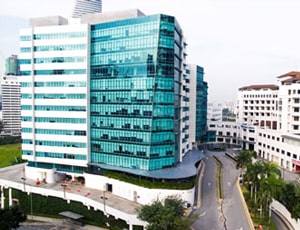
Parkway Pantai
Kuala Lumpur, Malaysia
Parkway Pantai located in Kuala Lumpur, Malaysia is accredited by JCI. Also listed below are some of the most prominent infrastructural details:
- Capacity of 335 beds
- 200+ specialist Doctors
- Critical Care Unit
- Neonatal Intensive Care Unit
- Operating Theatre
- International Patient Care Center
- Types of rooms available- Premier Suite, Supreme Suite, Deluxe Single Room, 2-bedded room, 4-bedded room, Deluxe Suite, Premier Single room, and Supreme Single room

Sunway Medical Centre
Kuala Lumpur, Malaysia
Sunway Medical Centre has initiated a comprehensive expansion plan close to its current hospital facility to enhance its ability to provide services to the global market. The new Cancer Radiosurgery Center and Nuclear Medicine Center, which will also house additional Centers of Excellence like the Digestive Health Center and Dialysis Center, marked the completion of Tower C's first phase in October 2016.

Damansara Specialist Hospital, Petaling Jaya
Petaling Jaya, Malaysia
- KPJ Damansara Specialist Hospital offers specialised healthcare across cardiology, oncology, orthopedics, neurology, gastroenterology, nephrology, women’s health, pediatrics, ENT, and minimally invasive surgery. The hospital provides advanced diagnostics, rehabilitation, cardiac care, neurosurgery, wellness programs, and preventive healthcare supported by multidisciplinary specialists and patient-centred clinical protocols. Equipped with modern medical technologies and safety-driven systems, it focuses on evidence-based treatment, personalised care planning, and quality healthcare delivery
Our Services to better your experience
Opinion & Option
We submit the most accurate opinion and options from one or more countries for your review
Consult Privately
Consult with a certified specialist privately on our telemedicine platform even before you decide to travel
Logistics
We handle flights, visas, transfers, and accommodation—so you can focus on your health.
Recovery
Our In-house rehabilitation service packages to better your recovery and treatment outcome
Why Choose Malaysia for Uterine Fibroid Treatment?
Here are some of the reasons for choosing Malaysia:
- Advanced Technologies: Malaysia provides innovative treatments such as laparoscopic surgery, robot-assisted myomectomy, and uterine artery embolisation.
- Minimally Invasive Procedures: Patients benefit from less invasive choices with faster recovery times and less scarring.
- Experienced Specialists: Gynaecologists and fibroid management professionals give specialised care.
- Affordable Care: Receive high-quality care at a fraction of the expense of Western countries.
- Comprehensive Care: Malaysia's hospitals offer bilingual support and foreign patient services to ensure a pleasant visit.
Frequently Asked Questions
Fibroids may develop in a cluster or as a single nodule (one growth). Fibroid clusters can be as little as 1 millimetre or as large as more than 20 centimetres (8 inches) in diameter. These growths may appear outside your uterus, inside its central cavity, or within its wall.
If you have fibroids, you may feel a range of different emotions. You might not feel anything and be unaware you have tiny fibroids. Larger fibroids, on the other hand, may cause pain and discomfort. Back pain, abdominal pain, and even pain during intercourse can all be symptoms of fibroids.
With a low recurrence rate of about 15%, High-Intensity Focused Ultrasound (HIFU) has been shown in Malaysia to reduce fibroid volume by up to 75% in just a year. For women with uterine fibroids, this non-invasive treatment is a promising alternative because it significantly reduces symptoms while maintaining fertility.
You get anaemia when your body doesn't have enough healthy red blood cells to deliver oxygen to your organs. People who get heavy or frequent periods may develop anaemia. Your periods may be weighty, or you may even bleed in between cycles if you have fibroids. If you have fibroids and anaemia symptoms are bothering you, consult your doctor.
A fibroid's overall size does not necessarily indicate that it must be removed. Based on your symptoms, your doctor will decide whether surgery is required. For instance, fibroids as small as a marble can nevertheless result in severe bleeding, depending on where they are located. Your doctor can talk about any symptoms that might necessitate surgery.
In Malaysia, laparoscopic surgery is a standard minimally invasive treatment that is safe, has a quicker recovery time, and leaves fewer scars.
Because treatment expenses in Malaysia are typically lower than in Western nations, high-quality care can be obtained for less money.
Indeed, a large number of hospitals in Malaysia provide multilingual services, including personnel and physicians who speak English to patients from other countries.
If you have uterine fibroids, you can still become pregnant. Your healthcare physician will collaborate with you to create a monitoring strategy for fibroids if you are already aware that you have them when you get pregnant. Your body releases more hormones when you are pregnant. These hormones support pregnancy. They may, however, also result in the enlargement of your fibroids. During pregnancy, large fibroids may result in the following issues:
- The inability of the fetus to flip into a head-down position increases the likelihood of a C-section birth.
- Labor doesn't advance.
- Sudden placental death.
- Premature birth.
Yes, you can use MediGence to get a second opinion on portal hypertension treatment in Malaysia.
Through MediGence, you can contact highly skilled specialists from renowned Malaysian hospitals who can provide additional details about your diagnosis and available treatments.
The platform enables you to make well-informed healthcare decisions and obtain the best care available by making it simple to obtain expert advice.
Fibroids can enlarge or contract over time. They might undergo rapid size changes or gradual, long-term size changes. Although there are several causes for this, most of the time, the amount of hormones in your body is connected to the shift in fibroid size. Larger fibroids may result from elevated hormone levels in the body. Pregnancy is one of the occasions in your life when this may occur.
Additionally, when your hormone levels fall, fibroids may shrink. This is typical following menopause. After menopause, your symptoms might frequently improve as well.
Some people's fibroids may decrease after menopause. This is due to a drop in hormones. When the fibroids diminish, your symptoms may disappear. Small fibroids may not require treatment if they do not cause any symptoms.

Reviewer

Dr. Pradeep Jain
General & Laparoscopic Surgeon
33 Years of Experience
Dr. Pradeep Jain has completed his MBBS, MS - General Surgery, MCh - Surgical Gastroenterology/G.I. Surgery, and MCh - Surgical Oncology. He is a GastroIntestinal Surgeon, General Surgeon, Surgical Oncologist, Bariatric Surgeon par excellence with total experience of 36 years of which about 33+ years have been as a specialist View More
Last Reviewed - January 2026