Ureterolithiasis (Ureteral Stones) Treatment in India
- Top Accredited Hospitals
- Global Medical Standards
- Cutting-Edge Technology
- Proven Treatment Options
- High Success Rate
- Trusted by Millions

What is Ureterolithiasis (Ureteral Stones)?
Ureterolithiasis is the presence of a stone within the ureter, the tube that carries urine from the kidney to the bladder. Ureteral stones usually form in the kidney and move into the ureter, where they may lodge and partially or completely block urine flow. Stones vary in size and composition, and their likelihood of passing naturally depends largely on their size and location. Small stones may pass without a procedure, while larger or obstructing stones may require active treatment.
What is the Importance of Timely Treatment?
Timely evaluation helps determine the stone's size, location, degree of obstruction, kidney function, and whether infection is present. While many uncomplicated small ureteral stones can be observed, persistent obstruction, uncontrolled pain, impaired kidney function, or infection may require prompt intervention. An obstructed urinary system with infection or sepsis is a urological emergency and requires urgent drainage, usually with a ureteral stent or percutaneous nephrostomy, followed by definitive stone treatment after the infection resolves.
What are the Common Symptoms of Ureterolithiasis (Ureteral Stones)?
- Sudden, severe pain in the side or back
- Pain radiating toward the lower abdomen, groin, or genital area
- Pain that comes and goes in waves
- Blood in the urine
- Pain or burning during urination
- Increased urinary frequency or urgency
- Nausea and vomiting
- Difficulty passing urine or passing only a small amount
- Cloudy or foul-smelling urine, particularly with infection
- Fever and chills when infection is present
- Restlessness or inability to find a comfortable position
Causes and Risk Factors of Ureterolithiasis (Ureteral Stones)
Causes
- High concentrations of stone-forming substances in urine, including calcium, oxalate, uric acid, or phosphate
- Low urine volume and dehydration
- Calcium oxalate or calcium phosphate stone formation
- Uric acid stones
- Infection-related struvite stones
- Cystine stones associated with inherited disorders
- Metabolic abnormalities affecting urinary mineral balance
- Certain medications or supplements
- Conditions that increase urinary calcium, oxalate, uric acid, or other stone-forming substances
Risk Factors
- Previous kidney or ureteral stones
- Family history of kidney stones
- Inadequate fluid intake or recurrent dehydration
- Hot climates or occupations involving substantial fluid loss
- High dietary sodium intake
- High intake of animal protein in susceptible individuals
- Certain dietary patterns with excessive oxalate or inadequate dietary calcium
- Obesity and metabolic disorders
- Gout or hyperuricemia
- Recurrent urinary tract infections
- Hyperparathyroidism and other metabolic conditions
- Certain gastrointestinal diseases or intestinal surgery
- Genetic disorders such as cystinuria
Latest Research and Technologies in the Treatment of Ureterolithiasis (Ureteral Stones) in India
- Current stone management emphasises accurate assessment of stone size, location, obstruction, infection, and kidney function before selecting treatment. Non-contrast CT is widely used when detailed stone localisation and characterisation are needed, while ultrasound can be useful for initial imaging and follow-up. Advances in ureteroscopy include digital and flexible ureteroscopes and laser technologies such as holmium and thulium fibre lasers. These allow stones to be fragmented or removed under direct visualisation. Shock-wave lithotripsy (SWL) remains an established non-invasive option for appropriately selected stones, with treatment success influenced by stone size, location, composition, and patient factors.
Treatment options for Ureterolithiasis (Ureteral Stones)
Extracorporeal Shock-Wave Lithotripsy (ESWL) : ESWL uses externally generated shock waves to fragment a ureteral stone into smaller pieces that can subsequently pass through the urinary tract. Suitability depends on stone size, location, composition, patient anatomy, and the ability to accurately target the stone.
Cost Start From 1300Explore Options
Ureteroscopy (URS): During ureteroscopy, a thin endoscope is passed through the urinary tract to reach the stone. The stone can be removed directly or fragmented using laser lithotripsy, including holmium or thulium fibre laser technology.
- Clinical assessment:
- Medical and Urological Evaluation: Assessment includes the onset, location, severity, and pattern of pain; urinary symptoms; fever or chills; previous stone episodes; family history; dietary and fluid habits; medications; previous urinary procedures; and relevant metabolic or medical conditions. A physical exam helps assess pain, hydration, abdominal findings, and possible signs of infection.
- Urine Assessment: Urinalysis can identify blood, white blood cells, bacteria, crystals, and other abnormalities. Urine culture may be performed when urinary infection is suspected, particularly before an intervention.
- Blood and Kidney Function Assessment: Blood tests may include serum creatinine and other measures of kidney function, along with blood counts and metabolic tests when clinically appropriate.
- Stone Analysis and Metabolic Assessment: When a stone is recovered, laboratory analysis can determine its composition and help guide preventive treatment.
- Assessment of Obstruction and Infection: Clinicians assess whether the stone causes urinary obstruction, hydronephrosis, infection, persistent pain, or worsening kidney function.
- Imaging Tests:
- Ultrasound: May identify stones, hydronephrosis, and urinary tract dilation without radiation exposure.
- Non-Contrast CT: Provides detailed information about stone size, location, number, and urinary tract obstruction and is widely used when precise diagnosis is required.
- X-ray KUB: May detect radiopaque stones and can be useful for selected follow-up examinations.
- CT Urography: Consider in selected cases when additional anatomical or urinary tract information is needed.
- Intravenous Urography: Used less frequently today but may have a role in selected settings.
- Nuclear Renal Imaging: Consider in selected patients when differential kidney function or drainage needs assessment.
MediRehab (a chain of Rehab centres, part of MediGence) provides comprehensive rehabilitation services designed to support Ureterolithiasis (Ureteral Stones) patients in India. These Services include:
- Gradual Return to Activity: Most patients can gradually resume normal physical activity as pain and acute symptoms improve, according to medical advice.
- Post-Procedural Recovery: Patients undergoing ureteroscopy or SWL may receive guidance regarding activity, hydration, stent-related symptoms, and follow-up imaging.
- Long-Term Stone Prevention: Patients with recurrent stones may benefit from metabolic evaluation, 24-hour urine testing, dietary counselling, and monitoring to reduce the risk of future stones.
- Medicines may be used to control pain, nausea, infection, or facilitate stone passage in selected patients. Analgesics, particularly nonsteroidal anti-inflammatory drugs when medically appropriate, are commonly used for renal colic. Antibiotics are used when a bacterial urinary infection is diagnosed or strongly suspected and are especially important when obstruction and infection occur together. Doctors may prescribe preventive medicines such as potassium citrate or other stone-specific therapies after evaluating stone composition and metabolic risk factors.
Instantly Connect with our Specialists


Hospitals for Ureterolithiasis (Ureteral Stones) in India
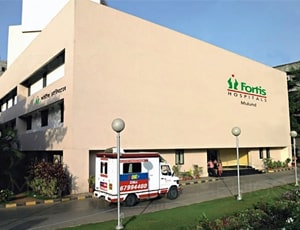
Fortis Hospital, Mulund
Mumbai, India
Fortis Hospital Mulund, located in Mulund West, Mumbai, is a premier healthcare facility providing excellence in multi-speciality healthcare for over 20 years. The global leader in advancing medical technology and clinical expertise, the hospital offers specialities including Cardiology, Neurosciences, Oncology, Transplants, and Orthopaedics. The hospital is well-known for being the largest transplant center in Maharashtra and offers advanced treatment options, including Transcatheter Aortic Valve Implantation (TAVI) and stereotactic precision radiotherapy for cancer. Fortis Mulund is equipped with a 24/7 Emergency Department and International Patient Unit to provide world-class patient-centric care.
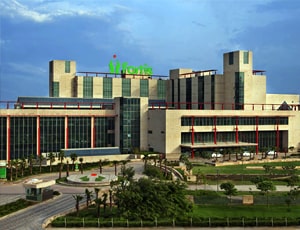
Fortis Memorial Research Institute
Gurgaon, India
Fortis Healthcare Limited stands as one of India's largest integrated healthcare providers, managing 33 hospitals across 11 states and operating more than 5,700 beds and 400 diagnostic labs. Four of our hospitals are accredited by JCI and 26 by NABH. With a workforce of over 12,500 healthcare professionals, we combine clinical excellence, a patient-focused approach, and innovation to provide high-quality, affordable, and compassionate healthcare to patients in India.
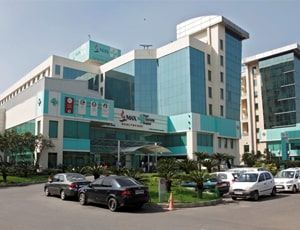
Max Super Speciality Hospital, Saket
Delhi, India
Max Smart Super Speciality Hospital, Saket, is a 250-bed tertiary care hospital awarded NABH accreditation, which provides advanced medical care in various specialities such as Cardiac Sciences, Orthopaedics, Neurology, Urology, Kidney Transplant, Paediatrics, and Obstetrics & Gynaecology. The hospital provides quality, safe, integrated, and patient-centric medical care using modular OTs, ICUs, Cath Labs, CT, MRI and Dialysis units.
Our Services to better your experience
Opinion & Option
We submit the most accurate opinion and options from one or more countries for your review
Consult Privately
Consult with a certified specialist privately on our telemedicine platform even before you decide to travel
Logistics
We handle flights, visas, transfers, and accommodation—so you can focus on your health.
Recovery
Our In-house rehabilitation service packages to better your recovery and treatment outcome
Why Choose India for Ureterolithiasis (Ureteral Stones) Treatment?
- Experienced Urology Specialists: Indian urology centres manage a broad range of urinary stone conditions, including ureteral stones, recurrent stone disease, obstructing stones, and complex cases.
- Advanced Diagnostic Facilities: Many hospitals provide ultrasound, CT imaging, laboratory testing, stone analysis, metabolic evaluation, and other investigations needed to determine stone size, location, composition, and obstruction.
- Minimally Invasive Stone Treatment: Depending on the patient's condition, treatment may include ureteroscopy, laser lithotripsy, shock-wave lithotripsy, and ureteral stenting.
- Comprehensive Urological Care: Patients with recurrent or complicated stones can receive coordinated care involving urologists, radiologists, nephrologists, dietitians, and other specialists, as needed.
- International Patient Support: Major Indian hospitals may provide medical-record review, specialist coordination, treatment scheduling, travel assistance, accommodation support, and follow-up arrangements for international patients.